
A major coalition of conservative Anglican churches issued a strong call Friday for members to withdraw from leadership meetings and stop providing financial support to current church authorities, intensifying ongoing tensions within the global Anglican community.
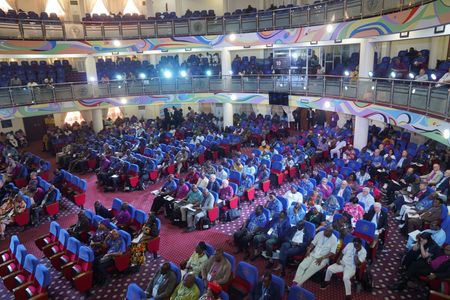
The Global Anglican Future Conference (GAFCON) — representing conservative congregations predominantly across Africa and Asia that claim to speak for most of the world’s Anglicans — made the declaration following their decision to form a competing council that challenges existing leadership structures.
The announcement came during a three-day gathering of GAFCON representatives in Nigeria, highlighting significant divisions within the Anglican Communion regarding theological positions and social matters, particularly concerning female ordination and LGBTQ+ inclusion.
This development occurs shortly before the Communion prepares to install Sarah Mullally as the first woman to serve as Archbishop of Canterbury, the spiritual head of approximately 85 million Anglicans across 165 nations worldwide.
Laurent Mbanda, who assumed leadership of the newly formed rival council Thursday, delivered a statement declaring that the Global Anglican Communion needed “a principled disengagement” from organizations connected to the Church of England.
“Leaders who hold office in the Global Anglican Communion must not attend future Primates’ meetings called by the Archbishop of Canterbury, nor attend the Lambeth Conference, nor attend ACC meetings or participate in Commissions of the ACC,” the statement said.
The declaration further specified that leaders “should not personally approve financial contributions to the ACC. It is also expected that they will not receive financial assistance from compromised sources.”
The exact financial implications of this boycott remain unclear at this time.
Church of England officials have not yet responded to requests for comment.
HISTORIC DIVISION
The Anglican Communion traces its origins back approximately 500 years to when the Church of England separated from papal authority in Rome, eventually expanding throughout much of the world, especially in former British territories.
Recent decades have witnessed progressive changes within portions of the Church. GAFCON emerged in 2008 as a response to these developments, drawing support from regions opposing such reforms, particularly in Africa and Asia where Anglican membership continues growing rapidly.
Thursday brought a statement from an Anglican Communion Office spokesperson in London, who said GAFCON was dismissing years of constructive dialogue focused on church reform efforts.
When asked whether this represented a formal church split, Diarmaid MacCulloch, emeritus professor of church history at the University of Oxford, told Reuters: “Of course it’s a schism.”
However, MacCulloch suggested the division might not be irreversible.
“Schisms do eventually get healed, when both sides see that the issues that caused the schism don’t seem that important any longer,” he said.