
BRAZZAVILLE, Republic of Congo (AP) — Citizens of the Republic of Congo will cast ballots in a presidential election this weekend, though the results appear predetermined as the nation’s long-serving president encounters minimal opposition from political rivals.
Numerous young citizens indicate they have no intention of taking part in an election that current President Dennis Sassou N’Guesso is virtually guaranteed to win. The half-dozen opposition contenders have failed to present any meaningful challenge to the leader who has governed this oil-wealthy Central African nation of 5.61 million residents for 42 years combined.
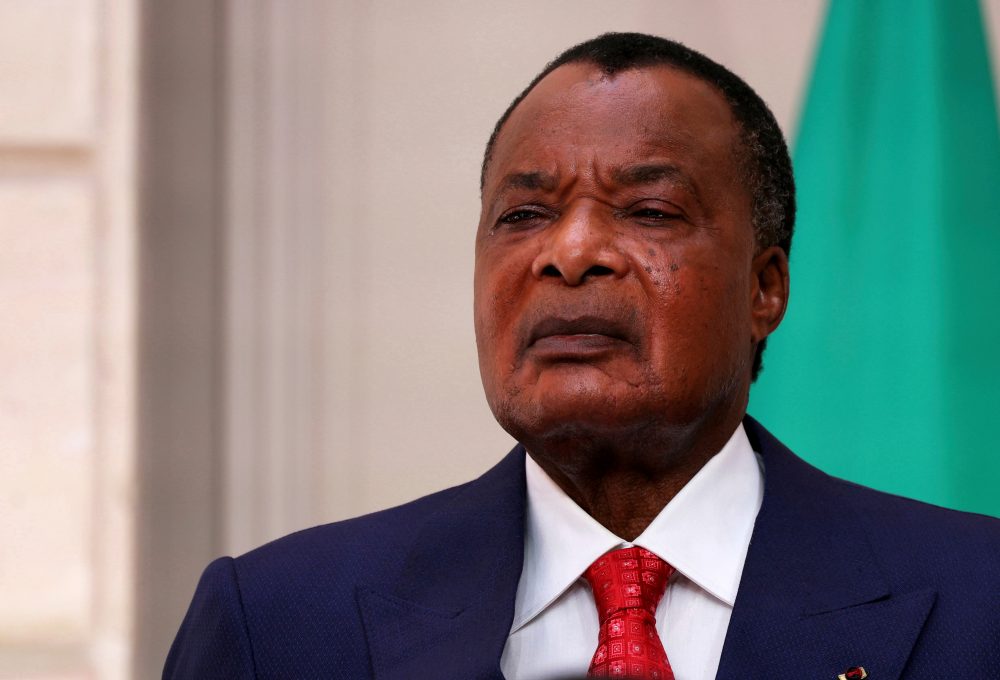
The 82-year-old Sassou N’Guesso initially assumed power in 1979 and remained in control until the 1992 election where he placed third. He regained authority as a militia commander following a four-month civil conflict in 1997 and has maintained leadership ever since, securing victory in four elections against divided opposition forces.
He ranks as Africa’s third longest-serving leader, trailing only Cameroon’s Paul Biya and Equatorial Guinea’s Teodoro Obiang Nguema Mbasogo. A 2015 constitutional referendum eliminated both age restrictions and term limits for the presidency, ensuring Sassou N’Guesso could continue seeking office.
Throughout the nation’s youth population, optimism for transformation appears minimal, with many planning to skip Sunday’s voting.
This includes Macaire Epoha, a 38-year-old mathematician who performs various temporary jobs to make ends meet in the capital city of Brazzaville.
“N’Guesso will be re-elected with his usual scores, which are close to 80%,” Epoha said. “The elections have no bearing on young people.”
Cyprien Massamba earned a university degree in geography but has worked as a taxi driver for a decade. He plans to abstain from voting and wishes enough citizens would boycott the election to draw international attention to the nation’s severe economic struggles.
“The people are languishing in poverty,” Massamba said.
Remadji Hoinathy, a senior researcher on central Africa at the Institute of Security Studies, describes the elections as serving only to “legitimize power without competition.”
N’Guesso, representing his Congolese Party of Labor, confronts six challengers, including Mabio Mavoungou Zinga, a former parliament member leading an opposition alliance.
Political experts believe the opposition stands no chance following the ruling party’s power consolidation, frequently employing intimidation methods to undermine rivals. Two prominent opposition candidates are skipping the election due to claims of biased electoral procedures.
Grappling with substantial debt levels and persistent economic decline, unemployment among youth aged 15 to 24 reaches 41% — almost twice the 22% rate for the entire workforce, based on World Bank data.
Dependent on petroleum resources, the nation’s economy remains vulnerable to global oil market fluctuations and confronts a soaring debt-to-GDP ratio of 95.4%, according to World Bank figures.
“If you look at the level of the debt and youth unemployment, then it clearly appears the oil revenues have been ill-managed in terms of being unable to diversify the economy, respond to people’s daily needs and create jobs for the youth,” said Hoinathy, the senior Central Africa researcher.
Political observers identify another emerging concern — the question of presidential succession. Given the nearly inevitable electoral victory and considering his advanced age, this may represent N’Guesso’s final term, analysts suggest.
Denis-Christel Sassou Nguesso — the president’s 51-year-old son who has held the position of minister of international cooperation and promotion of public-private partnership since 2021 — appears to be prepared for leadership, they indicate.
The president’s campaign message to young citizens has emphasized a pledge to “accelerate the march toward development,” vowing to expedite infrastructure projects and agricultural mechanization.
However, in a country where 47% of residents are under 18, youth voters seem unmoved by this appeal.
“The system is locked down by the old guard,” said Coretta Imongui, a 28-year mother of three seeking employment.
“However, they will not live forever,” she said. “I still have hope for my children and grandchildren.”