
In the eastern Congo city of Bunia, 28-year-old Aline Kasiwa spends each day tending to her ailing mother – feeding her, helping her drink water, and washing her clothing – while living in constant fear of contracting Ebola during one of the most rapidly expanding outbreaks ever recorded.
“She is the only family I have left. I cannot abandon her,” Kasiwa shared with The Associated Press. She explained her reluctance to bring her mother to medical facilities for potential diagnosis, stating, “These days we hear that many people are dying there, even nurses.”
Armed with nothing more than an inexpensive face covering for protection, Kasiwa represents countless women throughout eastern Congo who traditionally assume caregiving responsibilities – a cultural role that medical professionals believe significantly increases their vulnerability to the virus.
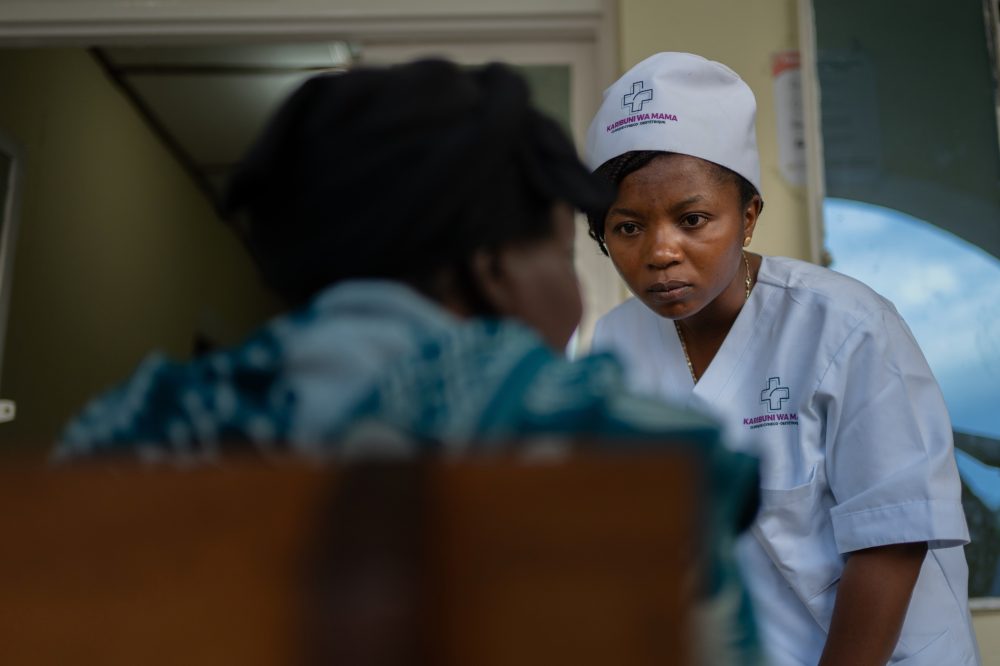
Dr. Furaha Elisabeth, who heads the Karibuni Wa Maman gynecology and obstetrics clinic in Bunia, explained the pattern: “It’s the woman who gives them a bath, it’s the woman who feeds them, and it’s the woman who’s there to wash the dirty clothes and everything else.”
The current outbreak involves the Bundibugyo strain of Ebola, for which no approved treatments or vaccines exist. Medical personnel report lacking basic protective supplies including masks and gloves needed for safety.
This situation forces women, particularly expectant mothers, into devastating dilemmas.
Anny Ekyambo, a 32-year-old Bunia resident who is five months into her pregnancy, expressed her terror: “When you see the way people die — even the nurses who treat us are dying — how can you not be afraid?” She described being too frightened to seek prenatal care at medical facilities.
Health officials identified the outbreak several weeks later than optimal because initial testing failed to screen for the uncommon Bundibugyo variant. Congolese officials reported Wednesday that they have verified 344 infections, resulting in 60 fatalities, with additional suspected cases under investigation. Uganda has documented 15 confirmed infections and one death.
While exact numbers of infected women remain unclear, historical patterns indicate women bear a heavier burden during Ebola outbreaks.
During the initial recorded outbreak in the 1970s, women represented 56% of fatalities, according to UN Women. Throughout Congo’s 2018-2020 outbreak – the nation’s most devastating – women and girls comprised approximately two-thirds of documented cases.
Sofia Calltorp, UN Women’s chief of humanitarian action, predicted in a statement: “We will certainly see the same pattern emerge in the current outbreak. Ebola transmission follows social realities. The virus spreads along the lines of care-giving, domestic labor, front-line health work and burial practices.”
Traditional burial preparations in many eastern Congo communities also fall to women.
Staff at the Karibuni wa Maman clinic report receiving no personal protective equipment since the outbreak’s beginning, despite repeated requests to health authorities.
The facility examines symptomatic patients before transferring them to larger treatment centers, creating potential exposure risks for medical staff with inadequate protection.
Julienne Lusenge, who leads Women’s Solidarity for Inclusive Peace and Development – the organization operating the clinic – described their efforts to obtain protective gear from multiple partners, receiving only hand sanitizer and limited masks for nursing staff.
She emphasized that the equipment shortage also threatens women providing home care for sick relatives, with most unaware that Ebola might be the underlying cause.
“During previous outbreaks, many women died because they were the ones nursing sick family members,” Lusenge noted.
Although recent aid deliveries and improved health facility organization have occurred, Doctors Without Borders reports the virus continues spreading more rapidly than response efforts can contain.
Dr. Alan Gonzalez, the medical charity’s deputy director of operations, stated: “Nobody knows the true scale and severity of this outbreak.”
The crisis unfolds in challenging terrain. Ituri province features inadequate road infrastructure and under-resourced medical facilities located more than 1,000 kilometers (620 miles) from Congo’s capital, Kinshasa.
Violence from the Allied Democratic Forces – a rebel organization linked to the Islamic State group – and a coalition of ethnic militias has complicated response efforts. Additional cases have emerged in North Kivu and South Kivu provinces, where the Rwanda-backed M23 rebel group maintains control over major cities Goma and Bukavu.
Decades of regional conflict have created deep suspicion of outsiders, another factor driving people away from medical facilities and into women’s care.
Concerns about contracting Ebola at healthcare centers have become widespread.
Ekyambo, the expectant mother in Bunia, said fellow community women share her reluctance to visit clinics.
“I know that there are steps we must follow with the doctors to monitor the pregnancy and the baby, but we have no choice because this epidemic frightens us,” she explained.
UN Women has noted that pregnant women may face increased exposure through their regular interactions with health services.
However, Lusenga cautioned that avoiding medical care could result in missed essential prenatal and postnatal consultations.
“We risk seeing a rise in prenatal and postnatal mortality, for both mothers and children,” she warned.