
BUNIA, Congo (AP) — An uncommon strain of Ebola known as Bundibugyo has caught residents of Congo off guard after silently circulating for weeks before detection. When officials declared the health emergency in May, hundreds of suspected infections had already emerged, though many community members rejected the announcement as part of a “Western conspiracy.”
Congo’s health officials revealed the latest Ebola crisis on May 15. By Wednesday’s count, the disease had claimed 62 lives among 363 laboratory-confirmed infections. However, the response effort faces obstacles including public doubt, violence targeting medical personnel, and false information.
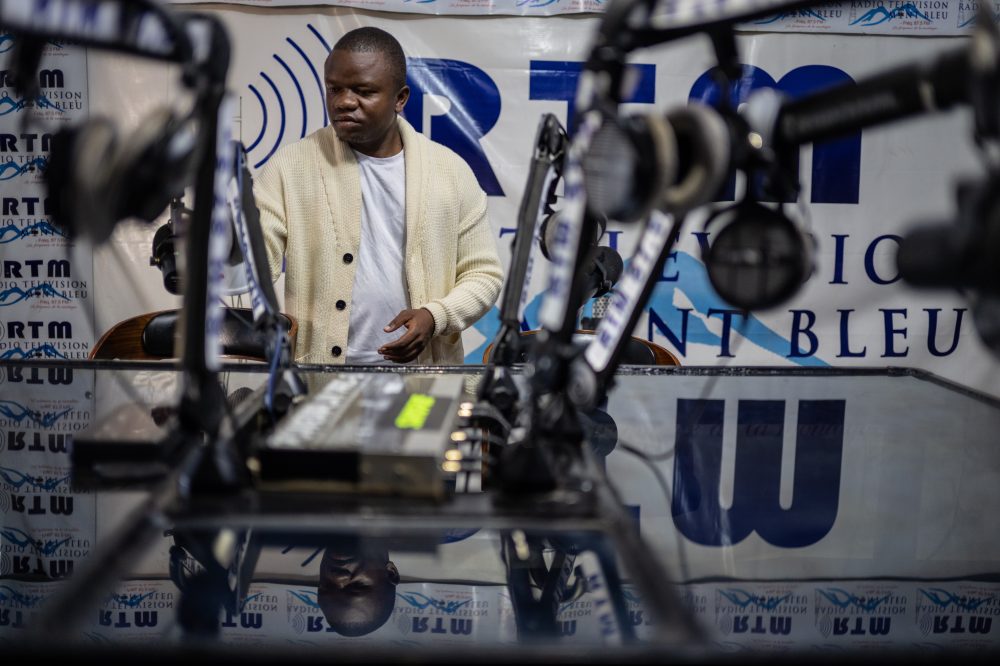
Vérité Johnson, who works as a journalist and editorial secretary for Radio Télévision Mont Bleu in Bunia — the main city of eastern Ituri province where infections are clustered — launched a special program to counter false claims.
This radio broadcast has become a crucial resource for reaching community members who lack accurate information or question the reality of Bundibugyo.
The 45-minute daily broadcast airs at 10 a.m., warning listeners about health risks while regularly hosting medical experts who share current information and respond to listener concerns. Musical segments about the disease play throughout the day, and community members can phone in with their questions.
“So far, there’s still a layer of resistance within the population, and that’s where the media plays an important role,” Johnson said.
Public opposition to health measures during disease emergencies frequently occurs in Congo, which faces its 17th Ebola crisis since scientists first discovered the virus there in 1976. Currently, no licensed vaccine or treatment exists for the Bundibugyo strain, creating additional anxiety.
False claims, typically stemming from anxiety and incorrect information, prevent community members from following health guidance or getting medical care during disease emergencies, according to health authorities. Citizens often learn about illnesses through news reports while officials and global partners rush to control the situation.
Certain community members claim diseases like Ebola are exaggerated by people seeking financial gain.
“They don’t separate people who have Ebola from those who have the flu at the hospital. Given the manner in which people are treated, we deduce it is about money,” said Samson Gerson, 52-year-old Bunia resident and father of seven children. “I can never take the vaccine, I prefer to die because if the vaccine arrives, it can scare us even more.”
Experts indicate that some Congo residents have accepted false information because they distrust the medical system and because certain local leaders haven’t actively participated in disease control efforts.
“What is key is to involve the local actors at all levels. If we try to impose what we think is right to the community, we are running towards failure,” said Basile Rambaud, emergency programs director for Mercy Corps in Congo. “If people do not trust the response, they end up delaying to seek care, rejecting protective measures, or avoiding working with health teams, giving the virus more time to spread.”
People in Ituri province have carried out no fewer than three assaults on medical facilities, insisting on retrieving bodies of dead patients. Several individuals suspected of having Ebola departed the facilities during these incidents, and medical staff lost track of where they went.
“We don’t even know what the body of a person who died of Ebola looks like, but we just see images and montages on our phone,” said Bunia resident Chantal Francine, who expressed doubts over the reported deaths.
The disease has quickly expanded from three original health districts to 24, according to World Health Organization Director-General Tedros Adhanom Ghebreyesus, who said Wednesday that the virus “had a big start.”
Specialists and WHO representatives have cautioned that the statistics may not show the epidemic’s actual size since weeks of testing for an incorrect strain delayed virus containment efforts.
The health crisis has worsened due to continuing military conflict between Congo’s government and the Rwanda-backed M23 rebel group, plus attacks by the Islamic State-affiliated group the Allied Democratic Force, which killed 16 people in Beni territory in North Kivu on Tuesday.
Violence from both organizations has forced massive population movements from conflict zones, authorities reported.
Even with the expanding Bundibugyo crisis and circumstances that help the disease spread, Johnson stated that Radio Télévision Mont Bleu keeps delivering essential facts to residents.
“Everyone is free to think what they want, but the information remains the same. The epidemic is here,” Johnson said.