
Colorado voters will not have the opportunity this November to decide whether the state’s congressional boundaries should be redrawn in a way that could have given Democrats an advantage in future elections.
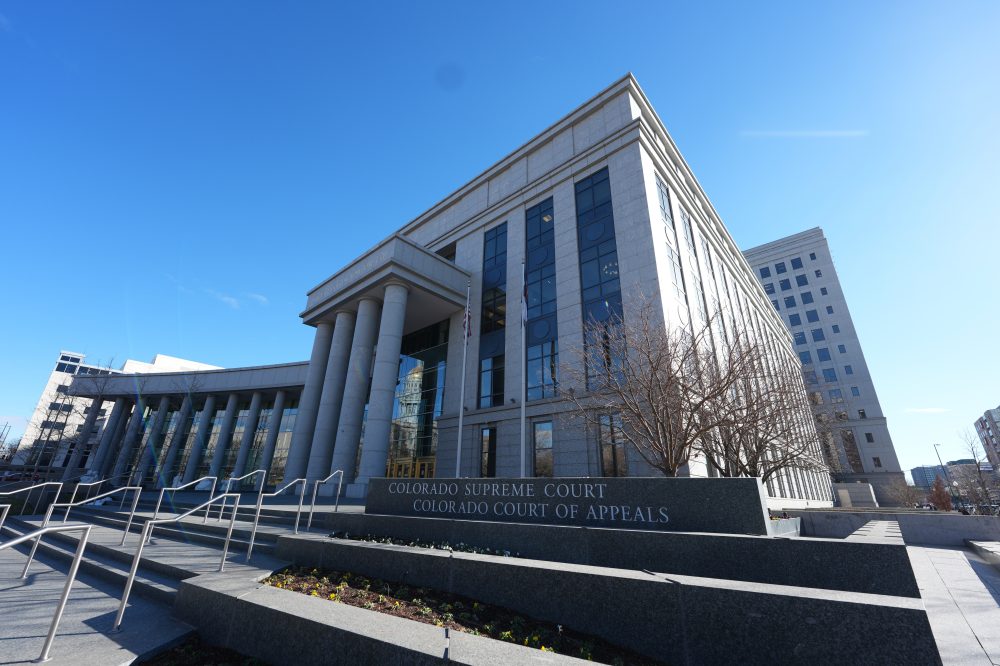
On Monday, the state Supreme Court struck down several proposed ballot measures that would have bypassed Colorado’s independent redistricting commission and established new U.S. House district maps for the 2028 and 2030 elections. The court determined that the measures each dealt with more than one subject, which is prohibited under the state constitution.
The decisions represent a fresh blow to Democrats in a redistricting fight unfolding across the nation — one that could ultimately determine which party controls Congress. Earlier this year, courts also threw out Democratic-led redistricting attempts in Virginia and New York that targeted the upcoming midterm elections, though Democrats may have another opportunity to pursue changes before the 2028 elections. At the same time, the U.S. Supreme Court has weakened federal Voting Rights Act protections for communities of color, clearing the way for Republicans in several Southern states to redraw majority-Black districts that had previously sent Democrats to Congress.
Normally, congressional district lines are redrawn following a census at the beginning of each decade.
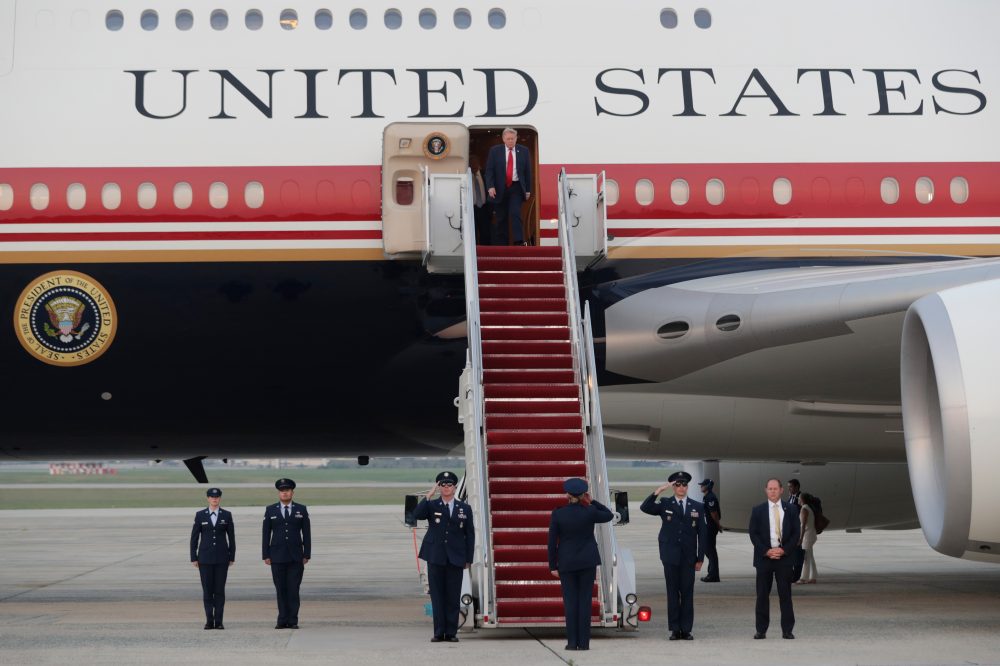
The current mid-decade redistricting battle was set off by President Donald Trump, who last year urged Republicans in Texas to redraw their congressional maps in an effort to capture additional seats in the midterms and maintain control of the narrowly divided House. A number of other Republican-controlled states followed suit, prompting several Democratic-led states to attempt their own counter-moves. Republicans have come out ahead in more states, with new maps that they hope could deliver as many as 10 additional seats come November.
Currently, Colorado’s U.S. House delegation is equally divided, with four Democrats and four Republicans serving under a map created by the state’s independent redistricting commission following the 2020 census. Changing those districts before the next census would require a constitutional amendment.
A Democratic-supported amendment would have allowed mid-decade redistricting and introduced new district boundaries that supporters said could help Democrats pick up as many as three seats. Two options were put forward: one combining both proposals into a single amendment, and another that separated the redistricting authorization from the new map, with the map only taking effect if both measures passed. The Colorado Supreme Court ruled that both versions ran afoul of the state’s prohibition on multi-subject ballot measures.
Using the same legal reasoning, the court also invalidated a set of Republican-backed ballot initiatives that had been submitted in response to the Democratic proposals.