
DENVER — Two paramedics convicted of homicide in the death of Elijah McClain will face new trials after a Colorado appeals court overturned their convictions Thursday, nearly seven years after the young Black man died from a fatal ketamine injection.
The historic criminal convictions of the Aurora Fire Rescue paramedics had reverberated throughout emergency medical services nationwide. Fresh trials would once more put a spotlight on ketamine use for subduing people in police encounters.
Colorado’s attorney general has promised to challenge Thursday’s reversal before the state supreme court, potentially postponing any retrials. Here are the key details:
Peter Cichuniec and Jeremy Cooper responded to a scene where three officers had confronted McClain, who was walking home from a store in Aurora while listening to music through earbuds in 2019. Someone had called 911 reporting a Black man in the neighborhood who was waving his arms and appeared “sketchy.”
One officer restrained McClain with a chokehold, and the paramedics administered ketamine before McClain went into cardiac arrest en route to the hospital. The 23-year-old massage therapist died three days later after being removed from life support.
McClain’s death prompted numerous EMS departments nationwide to restrict or prohibit ketamine use for subduing individuals considered combative.
Colorado’s health department subsequently instructed paramedics against administering ketamine to individuals suspected of having a controversial condition cited in McClain’s case. “Excited delirium” was characterized in a later-retracted emergency medicine report as causing symptoms like enhanced strength, though medical professionals have denounced it as unscientific and racially biased.
A jury convicted both paramedics in late 2023 following an extensive trial where prosecutors contended Cichuniec and Cooper neglected fundamental medical assessments, including checking McClain’s vital signs, before administering ketamine to assist police restraint efforts.
Medical professionals testified that the ketamine dosage exceeded what was appropriate for McClain’s 140-pound frame. Prosecutors additionally claimed the paramedics failed to properly monitor McClain following drug administration.
Cichuniec was sentenced to five years but was released early in 2024 when a judge modified his sentence to four years probation. Cooper avoided prison time, receiving 14 months in jail with work release plus probation.
The Colorado Court of Appeals Thursday maintained Cichuniec’s assault conviction while criticizing jury instructions regarding the criminally negligent homicide charges.
Those instructions addressed the “standard of care” requirements for paramedics in situations like McClain’s encounter, which under Colorado’s criminally negligent homicide statute means what a “reasonable person” would do. The appeals judges determined the trial judge wrongly declined to explain this concept to jurors.
Thursday’s decision returns their cases to trial court for new proceedings on those charges, awaiting Attorney General Phil Weiser’s planned appeal.
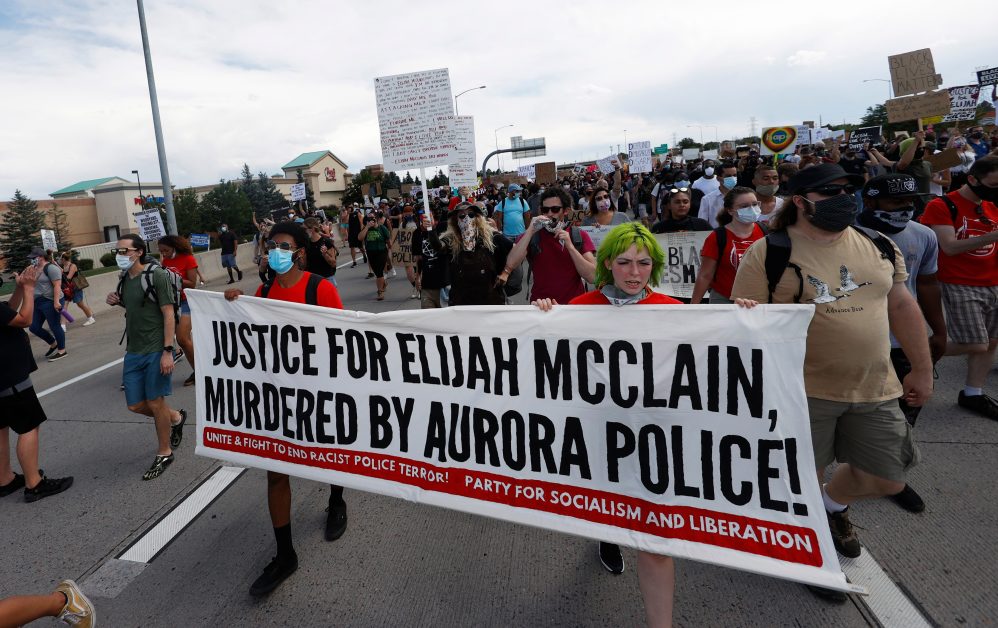
McClain’s 2019 death preceded George Floyd’s police killing in Minneapolis the following year, which triggered nationwide and international protests.
While Floyd’s death sparked criticism of police brutality against unarmed Black men and law enforcement practices in Black communities, McClain’s death extended that examination to paramedics and firefighters in the field.
Community advocates say Wednesday’s appellate court decisions prevent Colorado’s Black community from finding closure.
One officer received homicide and third-degree assault convictions in McClain’s death, while two others were cleared of charges including homicide and manslaughter.
Overturning the paramedics’ homicide convictions now reopens wounds that remain unhealed since McClain’s killing, according to a statement from the Epitome of Black Excellence, a Denver advocacy organization.
“We who believe in freedom cannot rest until the killing of a black man, a Black mother’s son, is the same as the killing of a white man, a white mother’s son,” MiDian Shofner, CEO of the Epitome of Black Excellence and Partnership, stated at a Friday news conference. “This nation as of yesterday morning should be restless.”
The 2023 paramedic trial explored largely unprecedented legal ground since criminal charges against EMS providers during patient care are extremely uncommon. Such situations typically fall under medical malpractice, which involves civil proceedings.
Firefighters and union representatives strongly condemned the state’s prosecution, arguing it endangered lives by deterring firefighters from pursuing paramedic training and reducing qualified emergency personnel.
Specialists cautioned it might also cause responders to hesitate during crucial moments requiring immediate decisions that could mean life or death.
University of Miami criminologist Alex Piquero said he’s not familiar with any research demonstrating whether paramedics have modified their practices because of this case.
“They’re always doing the best that they can do under the circumstances,” Piquero said.
However, new trials might renew uncertainty among first responders when treating patients in police custody, he noted.
“I think we have to wait to see what that outcome is going to be. But I think this brings it back fresh: ‘Oh, my gosh. Here we go again. Should I alter my behavior?’”