
A tragic incident in Rhode Island serves as a deadly reminder of winter weather dangers after a college football player lost his life to carbon monoxide poisoning while trying to charge his phone during a power outage.
Joseph Boutros, a 21-year-old student at Salve Regina University, was discovered unresponsive in his vehicle Monday outside a campus building in Newport, Rhode Island. Emergency responders determined the young man died accidentally from carbon monoxide exposure after snow from a major winter storm blocked his car’s exhaust system.
The massive storm had left hundreds of thousands without electricity throughout the Northeast region. Newport Police Captain Joseph Carroll explained that Boutros had informed another student he planned to use his vehicle to charge his phone since the area had lost power. The university’s football program expressed being “heartbroken” over Boutros’ passing in a social media announcement.
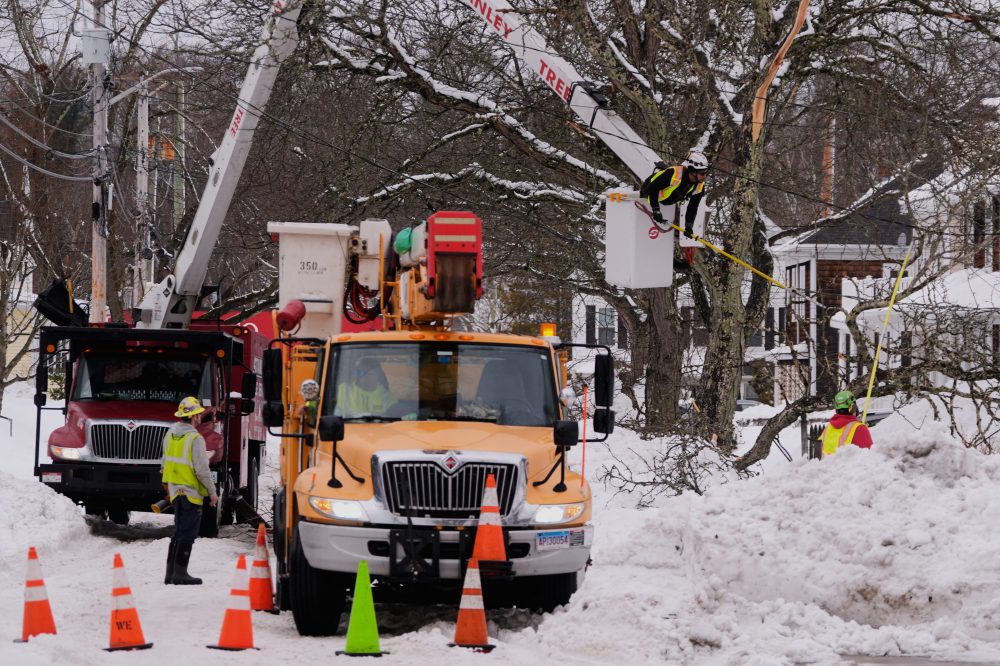
Rhode Island residents continued dealing with storm aftermath Wednesday, with many facing a third consecutive day trapped at home due to unplowed neighborhood streets.
While winter storms bring obvious dangers like icy conditions and freezing temperatures, one of the deadliest threats from heavy snowfall remains invisible to human senses.
Understanding carbon monoxide dangers becomes crucial during power failures and frigid weather conditions.
Winter months and periods following significant snowfall create elevated carbon monoxide poisoning risks, according to Centers for Disease Control data. Cold temperatures lead people to rely more heavily on heating equipment and furnaces that produce this deadly gas.
Various equipment failures can block adequate ventilation systems, with accumulated snow frequently obstructing exhaust outlets and air vents.
Medical professionals call carbon monoxide the “silent killer” since people cannot smell, see, or taste this dangerous substance. Extended contact with carbon monoxide prevents blood from delivering oxygen to vital body organs.
Initial symptoms include severe headaches, confusion, and fatigue, which progress to loss of consciousness, seizures, and ultimately death.
Dangerous carbon monoxide accumulation occurs when individuals operate heating equipment without adequate airflow or ventilation systems — including running vehicles in enclosed garages, moving outdoor grills indoors, or using gas cooking appliances for warmth. Tragic situations similar to Monday’s fatal incident often involve people waiting in vehicles for extended periods without realizing blocked exhaust systems.
A significant historical example occurred during 1978, when a severe snowstorm dumped two feet of snow across New England within approximately 30 hours. The rapid snowfall stranded about 3,000 automobiles and 500 commercial trucks along an eight-mile stretch of Massachusetts highway, according to New England Historical Society records.
During that storm, 14 individuals died from carbon monoxide exposure while trapped in their snow-covered vehicles.
Vehicle-related incidents represent just one danger source. A devastating 2022 storm claimed more than three dozen lives, including at least one person who died when snow covered heating system vents and sent carbon monoxide into their New York residence.
Jake Fisher, Consumer Reports’ senior director of automotive testing, notes that sitting in running vehicles typically poses minimal risk under normal circumstances. However, drivers should watch for warning indicators and schedule annual vehicle inspections. Automobiles become more susceptible to exhaust system leaks following accidents and require professional evaluation before returning to service.
“Engines emit a lot of very dangerous chemicals and gases,” Fisher said. “If your car is not running right and you hear it sounding funny, you really do need to get it checked out.”