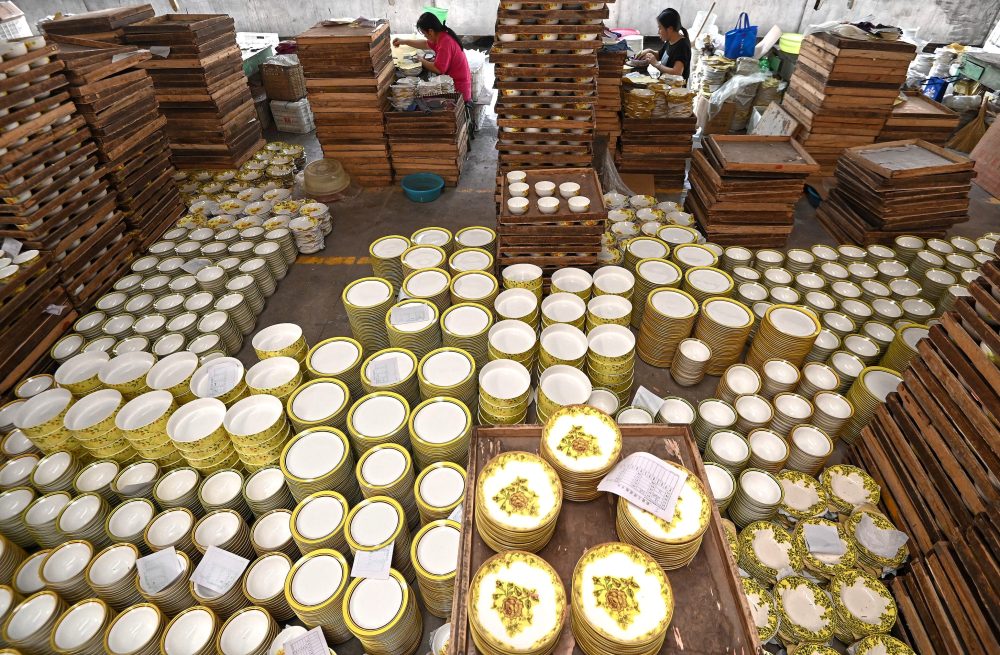

Manufacturing activity in China showed improvement during March, breaking a two-month streak of decline, according to government statistics released Tuesday. Economic experts remain cautious about future prospects due to potential energy supply challenges stemming from the ongoing Iran conflict.
China’s National Bureau of Statistics announced that the official manufacturing purchasing managers index climbed to 50.4 in March, up from February’s reading of 49. This figure exceeded analyst predictions and marked the highest level recorded in twelve months. The PMI scale runs from 0 to 100, with readings above 50 signaling sector growth.
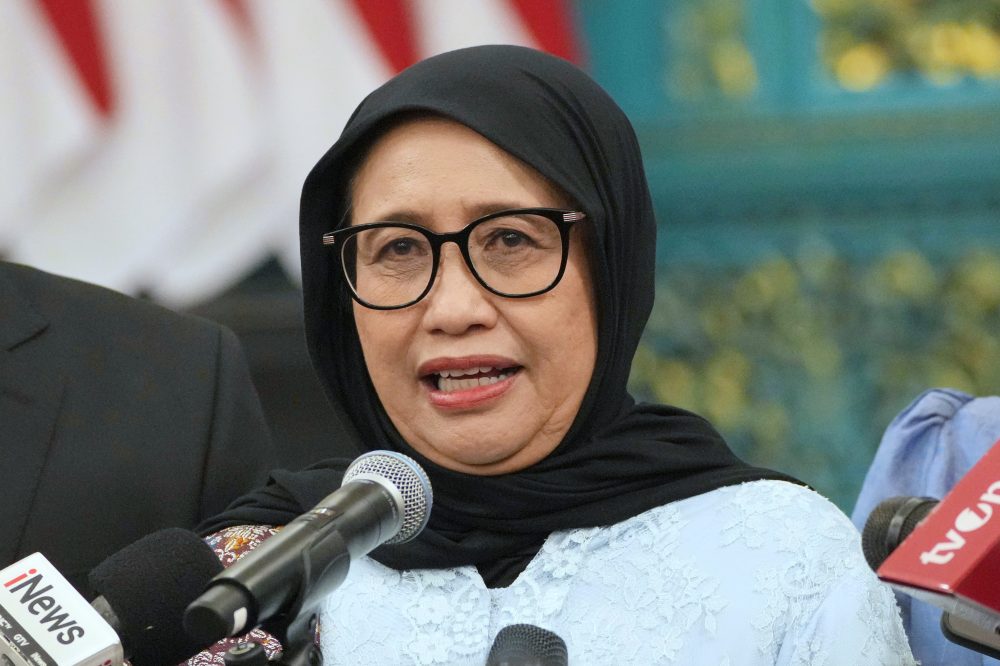
Although the March data reflects the period following the start of the Iran war on February 28, economists believe the full effects of rising energy prices have yet to materialize. “So far supply disruptions have not occurred in a material way,” said Jacqueline Rong, Chief China Economist, BNP Paribas, a French bank.
China’s economic challenges extend beyond international conflicts, as the nation continues to grapple with a persistent real estate downturn that has lasted several years. This housing market decline has dampened both consumer spending and business investment throughout the country. As the globe’s second-largest economy, China has increasingly depended on international sales, particularly to Southeast Asian and European markets, which helped generate a record-breaking $1.2 trillion trade surplus last year despite elevated U.S. tariffs.
The nation’s export-driven economic strategy faces potential obstacles as the Iran conflict threatens to increase energy expenses and disrupt global supply networks. Maritime shipping through the Strait of Hormuz, a critical passage for approximately 20% of worldwide oil transport, has been severely restricted.
The severity of economic consequences will largely depend on the duration of Middle Eastern energy supply interruptions, according to BNP Paribas economist Rong. “If it is months, rather than weeks, then the supply disruptions, not just from oil, but also from the shortage of many chemical products — such as rare gases — would manifest itself in disrupting industrial production and services,” she said.
Chinese export performance could also decline if worldwide economic growth suffers significantly from the energy crisis, Rong noted. Higher global inflation rates, for instance, might reduce international demand for Chinese manufactured goods.
In early March, Chinese government officials announced an economic growth objective of 4.5% to 5% for the current year, representing a modest reduction from last year’s “around 5%” target and marking the most conservative growth goal since 1991.
Currently, China’s economy “appears to have weathered” the energy disruption from the Iran conflict relatively well, according to Zichun Huang, China economist at Capital Economics, in a recent research analysis. However, she warned that “it is likely that the fallout from the Iran war will grow over the coming months.”
As Chinese exports to the United States, its primary trading partner, have decreased in recent months, economists are monitoring developments in diplomatic relations between Washington and Beijing ahead of an anticipated meeting between U.S. President Donald Trump and Chinese leader Xi Jinping scheduled for May.
Some economic analysts suggest that reduced U.S. tariffs following a recent Supreme Court decision against Trump’s comprehensive global tariff policies might provide a modest boost to Chinese exports and manufacturing activity.