
Canada is poised to make a major defense decision Monday, selecting either a German or South Korean firm to construct a fleet of 12 submarines in what would rank among the country’s largest-ever military contracts.
The two companies in the running are Germany’s ThyssenKrupp Marine Systems and South Korea’s Hanwha Ocean. The deal, worth tens of billions of dollars, would deliver 12 conventionally powered submarines to the Canadian navy.
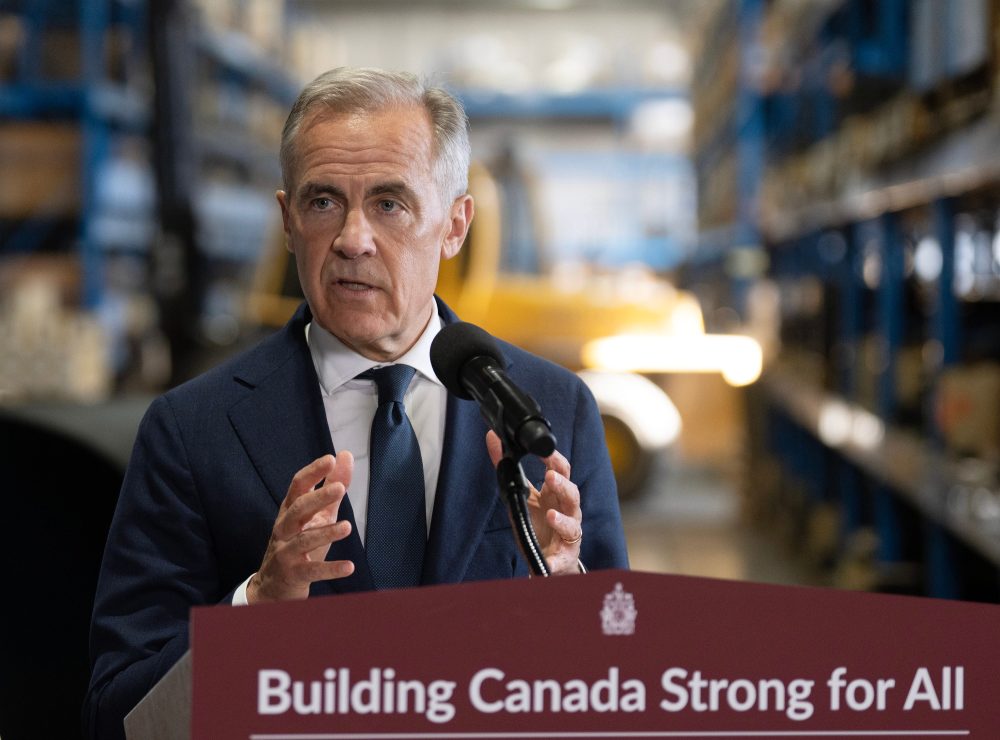
The decision is expected to come before Prime Minister Mark Carney travels to a NATO summit being held in Turkey, as member nations across the alliance continue ramping up their defense budgets.
On Monday, Carney is scheduled to visit a Canadian Armed Forces base in the Atlantic-coast province of Nova Scotia, where he plans to unveil “new measures to make Canada more secure, resilient, and prosperous.”
A spokesperson for the prime minister declined to confirm that the submarine contract announcement would specifically be part of that event. However, Carney stated back in May that a decision would be coming within a matter of weeks.
Canada’s existing submarine fleet — four Victoria class vessels — is barely operational at this point, making the new procurement a pressing priority.
The German-Norwegian consortium ThyssenKrupp Marine Systems has argued that its submarines would strengthen NATO as a whole, pointing out that it has already provided a large share of the alliance’s conventional submarine fleet.
Hanwha Ocean, meanwhile, has launched an aggressive advertising push and emphasized the economic advantages its proposal would bring to Canada. Last month, the South Korean company brought its KSS-III diesel-electric submarine to British Columbia following the vessel’s completion of the South Korean navy’s first-ever crossing of the Pacific Ocean.
Both bidders have stressed that their proposals would create jobs and drive investment within Canada.
Carney’s government has committed to meeting NATO’s elevated defense spending goals, pledging to dedicate 5% of Canada’s gross domestic product to defense by 2035. Canada reached the alliance’s previous benchmark of 2% of GDP this year.