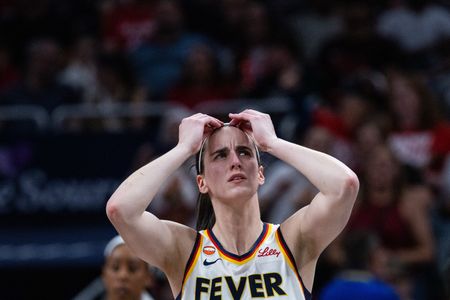

Indiana Fever guard Caitlin Clark stepped in front of reporters Friday for the first time in several days to address a growing controversy over player safety in the WNBA, making clear that harassment of any kind directed at players or coaches will not be tolerated.
The situation began during a June 24 game when Phoenix Mercury’s Alyssa Thomas — a six-time All-Star — made contact with Clark’s throat. Referees did not flag the play during the game, which left many of Clark’s supporters outraged. The WNBA stepped in the following day, issuing Thomas a one-game suspension for a Flagrant Foul 2.
Fever head coach Stephanie White publicly criticized the officiating crew for failing to catch the foul in real time, arguing that the league was not doing enough to protect what she described as a generational talent.
The controversy took another turn this week when Thomas revealed she had been on the receiving end of online harassment and threats connected to the incident.
Clark addressed the situation directly, saying, “Harassment, hate, none of that is okay. That goes for the opposing teams we play, that goes for my teammates, that goes for my coaches.”
Clark has been widely credited with driving a historic surge of interest in women’s basketball following her record-setting college career. However, that wave of new attention has also left many WNBA players feeling exposed and vulnerable under an increasingly intense spotlight.
The league launched a player safety initiative last year — covering both online and in-person threats — after athletes reported that racist and sexist abuse had become an unwanted side effect of the sport’s growing popularity.
While Clark called for better officiating in the league, she also expressed frustration that the Thomas incident had continued to dominate the sports conversation days after it occurred.
“I turn the TV on Sunday and that game was on Wednesday and that’s all people are still talking about. And I feel like that’s just a real disservice to our league,” Clark said.
She added, “Then for the narrative to be taken other places, it’s just really not acceptable. I think it’s just hard to see.”