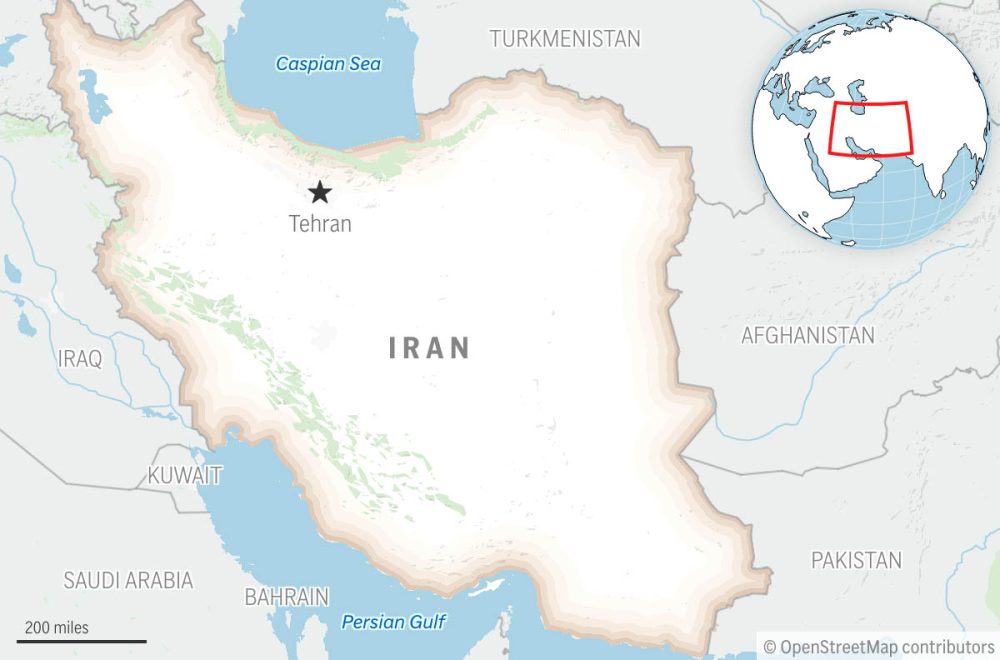

A top British defense official believes Ukraine’s cutting-edge drone technology could prove valuable in international operations to secure the Strait of Hormuz, a critical oil shipping route currently under Iranian blockade.
During a Friday visit to Kyiv, Britain’s armed services minister Al Carns highlighted Ukraine’s advanced military technology, developed through four years of conflict with Russia, as potentially game-changing for Middle East operations.
“Ukraine has some of the best technology in the world that it’s developed here in the war. I think that could provide utility in the Middle East, as we’re seeing already against Shahed drones, all the way through to the Strait of Hormuz,” Carns stated.
Britain has coordinated discussions this month involving more than 30 countries focused on reopening the strategic waterway. The Iranian blockade has severely disrupted global oil supplies following recent U.S. and Israeli military actions against Iran.
Ukrainian President Volodymyr Zelenskiy announced this week that his country had joined consultations about protecting maritime navigation, leveraging knowledge gained from years of warfare. Ukraine has already sent over 200 specialists to the Middle East region, where they have successfully intercepted Iran’s long-range Shahed drones.
Carns, a former British military colonel who entered parliament two years ago, emphasized that his Kyiv visit aimed to confirm Ukraine remains Britain’s primary defense and security focus.
The minister downplayed NATO tensions arising from U.S. President Donald Trump’s criticism of European nations for not participating in the Iran conflict, maintaining that NATO continues as the “backbone of our security.”
While Britain continues providing financial support, training, and military equipment to Ukraine, Carns acknowledged significant learning opportunities for the UK, particularly regarding drone innovation, data utilization, and artificial intelligence applications.
“It’s a revolution in military affairs, and we need to move faster,” Carns observed.
The integration of these warfare advances into Britain’s decade-long defense investment strategy, originally scheduled for completion last year, will be finalized this spring, according to Carns.
The minister encouraged Ukraine to expedite exports of its advanced military technology to establish market dominance before other nations develop comparable capabilities, while fostering collaboration with NATO partners.
Ukraine began issuing its first export permits in February, hoping to generate revenue for defense industry expansion while using weapons sales as diplomatic tools with allied nations.
Some industry leaders have criticized Kyiv for slow license approval processes, warning the country risks losing opportunities created by the Iran conflict.
“Ukraine needs to speed up its capacity to export,” Carns emphasized. “I still believe the best systems sit in Ukraine, but the rest of the world is catching up.”
Britain currently hosts a facility producing Ukrainian interceptor drones that began operations in February. Additionally, UForce, a UK-based Ukrainian military technology company, manufactures the Magura maritime drone.