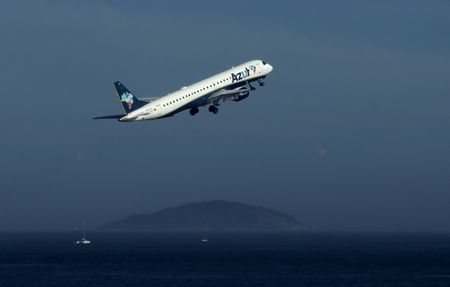

A major Brazilian airline is implementing additional flight reductions as soaring jet fuel costs continue to impact operations amid ongoing international conflict.
Azul’s chief executive John Rodgerson announced the carrier will expand its capacity reductions beyond initial cuts made earlier this year, citing fuel price increases connected to the Iran war. The airline is taking steps to preserve cash flow during the uncertain period.
Speaking with Reuters ahead of a gathering of international airline executives in Rio de Janeiro, Rodgerson explained that major carriers across the industry are scaling back operations to better match demand with elevated operating costs.
“When we made our initial cuts, we thought the war would be over by now,” Rodgerson stated during Friday’s interview. “But it’s continuing, so we’re going to continue to opportunistically cut some frequencies, make sure that we’re only flying things that make sense.”
The airline focused most of its second-quarter reductions on international service, according to Rodgerson. Future adjustments will target domestic flight frequencies rather than eliminating service to entire cities.
“Do you fly to Curitiba six times a day? Maybe with these fuel prices, it should be four,” he explained. The company is concentrating resources on its primary hub operations in Campinas, Belo Horizonte and Recife.
“We’re yet to pull cities, but that’s always on the table. But you first start with utilization and cutting frequencies,” Rodgerson said. “You don’t want to be utilizing an aircraft 13, 14 hours a day when fuel prices double.”
The CEO noted that Azul’s financial position following a significant debt restructuring gives the company advantages over some competitors in adapting to current conditions. The airline completed Chapter 11 proceedings in February with support from United Airlines and American Airlines.
While Azul anticipates continued pricing pressure during the traditionally slower second quarter, Rodgerson sees potential for higher ticket prices to hold as travel demand increases in the third and fourth quarters.