
Brazilian government officials revealed on Thursday that Amazon rainforest destruction has plummeted dramatically, directly challenging recent justifications from the Trump administration for imposing new trade penalties on the South American nation.
Data from the National Institute for Space Research, or INPE, and the Ministry of Environment shows May’s Amazon deforestation dropped by 61.4% compared to the same month in 2025.
However, 370 square kilometers (nearly 143 square miles) of rainforest were still destroyed. The Cerrado, a central Brazilian savanna facing pressure from agribusiness interests, saw deforestation decline by 12% during the same timeframe.
Environment Minister João Paulo Capobianco stated the May figure represents the lowest on record for that month, with Brazil positioned to achieve its lowest yearly totals when final data becomes available next semester.
Capobianco noted May typically experiences increased deforestation as the Amazon’s dry season begins. From August 2025 through May 2026, Amazon deforestation has already decreased by 37.5% compared to the prior ten-month period.
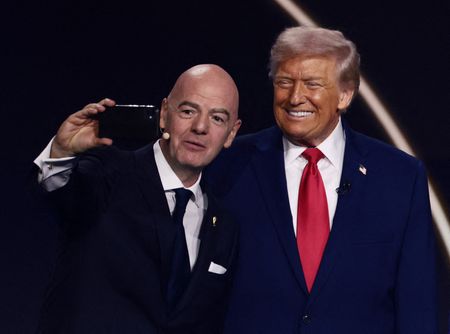
The Trump administration announced proposed 25% tariffs on Brazilian imports on June 2, claiming the world’s tenth-largest economy uses trade practices that are “unreasonable” and “burden or restrict U.S. commerce.” This followed a U.S. Trade Representative investigation alleging illegal deforestation and unfair Brazilian tariffs.
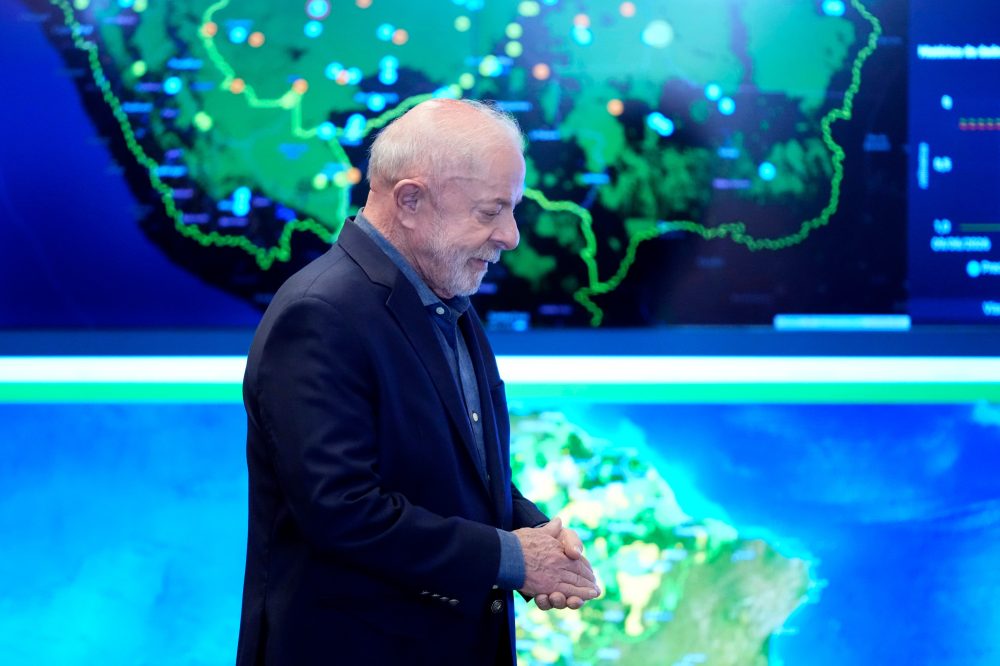
Capobianco declared the deforestation statistics “debunk the unfair and unfounded accusation by the United States, which cited deforestation to justify imposing tariffs.” President Luiz Inácio Lula da Silva acknowledged these comments with approval.
Lula accused the Trump administration of dishonesty regarding earlier tariff impositions, claiming false trade deficit concerns.
“And now they raised questions about deforestation. They don’t understand the work we are doing to bring deforestation down to zero by 2030. This is not a decision by any COP or by the United Nations. It is a decision of our government,” the Brazilian president stated, referencing U.N. climate conferences.
“It’s a matter of justice, of Brazil’s contribution to the planet, fulfilling our obligation to avoid deforestation as much as possible. Preventing deforestation benefits Brazil, benefits the Amazon and benefits the world,” he added.
Forest destruction remains Brazil’s primary source of greenhouse gas emissions, contributing to global climate change.
The Amazon rainforest, Earth’s largest, serves a vital function in climate regulation extending well beyond South America. Scientists caution that continued forest loss could accelerate global warming and disrupt agricultural systems reaching the U.S. Midwest and European regions.
Following peak deforestation in the 1990s and 2000s, forest destruction decreased until former President Jair Bolsonaro’s 2019-2022 administration, which faced widespread criticism for reducing environmental safeguards. Deforestation has declined under Lula’s current leadership, hitting decade-low levels last year.
Despite progress in forest preservation, numerous challenges including climate change and potential future legislation continue threatening the ecosystem.
Forest degradation from wildfires, logging operations, and drought conditions impacts approximately 40% of the Amazon, surpassing clear-cutting activities in recent years. A strong El Niño weather pattern could worsen these conditions this year, bringing higher temperatures and reduced rainfall that intensify wildfire risks.