
Brazil is preparing for the United States to slap a 25% tariff on thousands of its exported goods, after months of intensive negotiations between the two countries failed to produce an agreement, according to three people with knowledge of the situation.
The announcement from the Trump administration, anticipated this Wednesday, could impact more than 4,000 products shipped from Brazil to the United States — everything from sugar to pig iron — representing approximately $15 billion in yearly trade, according to figures from Brazil’s top industry lobbying group, the National Confederation of Industry.
“There were dozens of meetings, six or seven in the last month alone,” said one Brazilian official, who spoke anonymously because they were not cleared to comment publicly. “But they want the impossible.”
Brazilian officials said U.S. negotiators demanded exclusive, reduced tariff rates on certain American exports — concessions that Brazilian law does not permit the government to make unilaterally for a single trading partner.
Brazil would become the first country targeted under the Trump administration’s updated tariff approach, which leans on Section 301 of U.S. trade law — a provision that allows the government to investigate alleged unfair trade practices by other nations. This strategy rose to prominence after the U.S. Supreme Court struck down the administration’s broader global tariff policy back in February.
The U.S. Trade Representative has opened nearly 80 trade investigations, and Brazil appears set to be the first country to face consequences under this new wave of tariffs, which could eventually be extended to dozens of other nations.
The probe into Brazil, which was launched last July, pointed to several alleged unfair practices — among them, illegal deforestation and Brazil’s digital payment system known as Pix, which Washington contends puts American credit card companies at a disadvantage.
Brazil has strongly pushed back against all of those claims. In a formal letter to U.S. Trade Representative Jamieson Greer, Brazil’s Foreign Affairs Minister Mauro Vieira argued that the U.S. has not substantiated its allegations and called the investigation “arbitrary” and a form of “widespread economic pressure imposed by the U.S.”
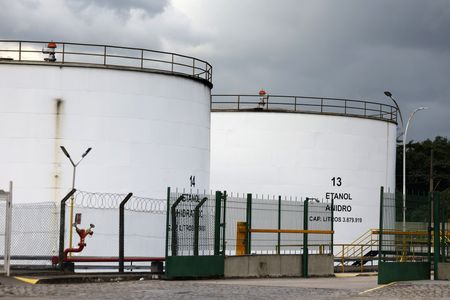
The National Confederation of Industry noted that the tariffs would hit products for which Brazil is a major supplier to the American market, including pig iron, wood moldings, cane sugar, ethanol, and tobacco. The group’s president, Ricardo Alban, said in a statement that the tariff hike “harms companies in both countries.”
Several categories of Brazilian goods are expected to be exempt from the new Section 301 tariffs, including beef, coffee, rare earths, and aircraft parts, which collectively account for the bulk of Brazil’s exports to the U.S. Those same products had previously been shielded from an earlier round of 40% tariffs the Trump administration imposed on Brazilian goods — tariffs that were politically tied to the arrest of former Brazilian President Jair Bolsonaro, a Trump ally who is currently under house arrest after being convicted of attempting to undermine democracy following his loss in the 2022 election.
Relations between the Trump administration and Brazilian President Luiz Inacio Lula da Silva — one of Latin America’s most prominent left-leaning leaders — have improved since that earlier period of tension.
The new tariffs are set to arrive less than three months before Brazil’s presidential election, in which Lula is expected to face off against Senator Flavio Bolsonaro, son of the former president.
Brazilian government sources say the country may respond with retaliatory measures once the U.S. tariffs are officially in place, depending on how severe the economic impact turns out to be.
Brazil is also caught up in a separate Section 301 investigation by the U.S. Trade Representative focused on forced labor connections within the supply chains of dozens of countries. That probe is expected to wrap up on July 24 and could result in an additional 12.5% tariff, bringing the total tariff burden on Brazilian products to 37.5%.
The escalating tension threatens to further damage a trade relationship that has already been weakening. Data from the American-Brazilian Chamber of Commerce show that the U.S. share of Brazil’s total trade dropped to 9.7% in the first half of this year, down from 12.1% during the same period in 2025 — the lowest level recorded since tracking began in 1997.
Brazilian officials say the tariffs haven’t broken the country’s economy, but they have pushed Brazilian companies to look for new partners — particularly in China.
“They are shooting themselves in the foot,” one official said of the Trump administration. “They’re pushing Brazil and other countries further and further toward Asia.”