
WELLINGTON, New Zealand — Medical examiners have confirmed that a former professional rugby player from New Zealand who took his own life last year was suffering from severe chronic traumatic encephalopathy, a degenerative brain condition caused by repeated head trauma.
Coroner Ian Telford revealed the findings Thursday during preliminary proceedings examining the death of Shane Christie, who was 39 when he died in August.
The brain condition, known as CTE, gradually destroys brain tissue and can trigger mood disorders, reckless behavior, and severe depression. Medical professionals can only identify the disease through examination after death.
Christie had represented New Zealand Maori and suspected he was battling CTE. He became an advocate for better awareness of the condition following the suicide of his close friend Billy Guyton, another professional rugby player.
Similar brain abnormalities have been connected to deaths among National Football League athletes and competitors in hockey and soccer.
Those close to Christie expressed that he wished for his medical results to be shared publicly to help educate other athletes experiencing similar symptoms.
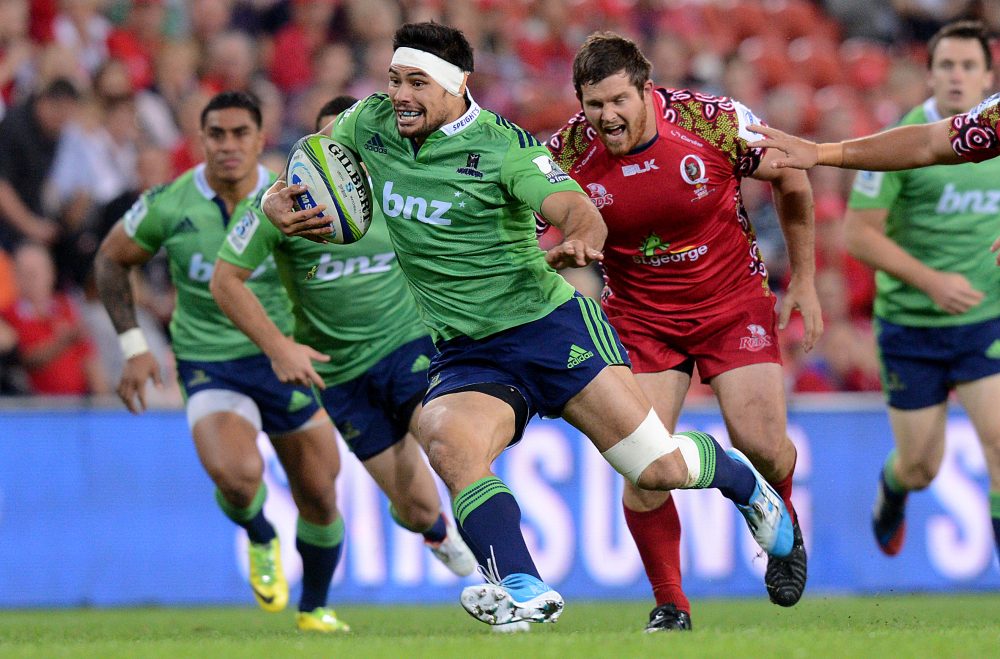
The former Crusaders and Highlanders Super Rugby player stepped away from the sport in 2018 due to ongoing complications from multiple head injuries.
According to the coroner, pathologist Dr. Clinton Turner determined Christie had chronic traumatic encephalopathy at an advanced level. Turner conducts research at the University of Auckland brain research facility, where both Guyton and Christie had arranged to donate their brain tissue.
The coroner emphasized that Turner’s findings represent medical opinion, and that Christie’s official cause of death will be established through the formal investigation process.
New Zealand Rugby’s chief executive Steve Lancaster acknowledged to local media that his organization understands the connection between repetitive head trauma and CTE, calling it a serious concern.
“New Zealand Rugby acknowledges the CTE pathology results for Shane Christie confirmed by The Neurological Foundation Human Brain Bank. We also acknowledge and respect the role of the coroner to determine the nature of any inquiry they may hold examining the cause and circumstances of Shane’s passing,” Lancaster stated.
“We share the concerns about the potential long-term effects of repeated head knocks in rugby and support the need for ongoing research into this,” he added.