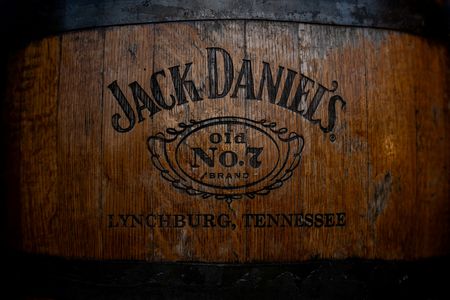

A Kentucky-based bourbon company has stepped into ongoing merger discussions between the maker of Jack Daniel’s whiskey and a major French spirits corporation, according to sources close to the negotiations.
Sazerac, a privately-owned distillery, recently contacted Brown-Forman about a possible deal while the Louisville company was already in talks with Paris-based Pernod-Ricard, industry insiders revealed Thursday. The unexpected move comes as alcohol companies seek to expand their operations amid declining sales and rising costs.
Despite Sazerac’s overture, Brown-Forman continues its discussions with Pernod-Ricard, a second source confirmed. Industry experts believe the French company maintains the advantage in securing a deal.
Market analysts suggest Pernod-Ricard holds the upper hand because it could structure the transaction as a stock exchange rather than a cash buyout. This approach would allow the Brown family, which has controlled the bourbon maker since 1870, to retain some ownership and influence over the company.
All three companies declined to provide comments about the potential transactions.
A successful merger between Brown-Forman and Pernod-Ricard would create the world’s second-largest spirits company by revenue, trailing only London-based Diageo. Financial experts estimate the combined entity could reduce annual expenses by up to $450 million, helping counter the downturn in alcohol sales that has occurred since pandemic-era consumption peaks.
Both companies have seen their stock values drop approximately 60% over the past five years as the industry grapples with changing consumer habits and economic pressures.
Pernod-Ricard operates extensive distribution networks across Europe and Asia and dominates the Scotch whisky market with brands like Chivas and The Glenlivet. Brown-Forman is renowned for Jack Daniel’s but also owns significant tequila brands including Herradura and El Jimador.
While the United States represents 44% of Brown-Forman’s revenue, domestic demand has been sluggish. Morningstar analyst Kristoffer Inton believes partnering with Pernod would offer superior growth prospects compared to joining with Sazerac, particularly in emerging markets like India and Latin America where whiskey consumption continues expanding.
“If it takes off, that will be the brand in the market that people recognize, and it will probably get a little bit of cachet,” Inton explained.
Financial analysts from Bernstein noted that cost reductions would primarily come from streamlining American and European operations, helping offset increased whiskey production expenses Brown-Forman has faced recently.
Sazerac’s pursuit of Brown-Forman represents a shift from its typical acquisition strategy, which has focused on purchasing struggling brands from large corporations or smaller emerging labels. The company recently acquired Svedka vodka from Constellation Brands in 2024 and has targeted younger brands like BuzzBallz.
The New Orleans-based company’s familiarity with Brown-Forman stems from their shared roots in Louisville’s tight-knit bourbon community. A merger between the two Kentucky distillers would strengthen their bargaining power with major American distributors, according to industry merger advisors.
However, such a combination could face regulatory challenges. The merged company would control 13% of the American spirits market, just behind Diageo’s 15% share, and would command 30% of the American whiskey segment alone, Jefferies analysts calculated. This concentration could require selling off certain brands to gain approval.
“The strategic logic is less compelling vs a Pernod deal,” Jefferies researchers concluded.
Sazerac, owned by the Goldring family, would likely need to purchase Brown-Forman outright with cash, forcing the Brown family to surrender control entirely. Such a transaction would probably involve significant borrowing, creating a more debt-heavy combined company.
In contrast, Pernod could offer a stock-based transaction that would give the Browns ownership stakes in the new entity along with some governance authority, sources familiar with the discussions explained.
The Brown family controls more than 50% of Brown-Forman’s voting shares, while the Ricard family holds 21% of Pernod’s voting rights. Even in a deal structured as an equal merger, the extent of control the Brown family would maintain remains uncertain.
“A merger still has complications, especially when families are involved,” Barclays analysts observed in a recent research note.