
A Boston photographer and content creator is making the most of an unexpected 42-day quarantine after a deadly virus outbreak turned his dream Antarctic expedition into a public health emergency.
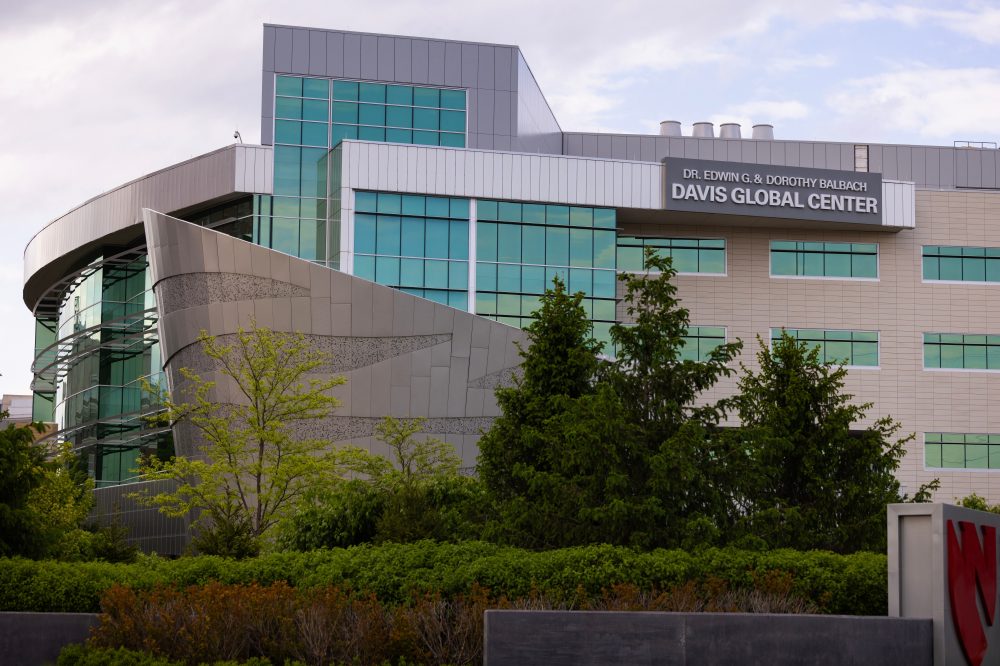
Jake Rosmarin, 30, is among 18 Americans now under medical observation at specialized facilities following a hantavirus outbreak that claimed three lives aboard the MV Hondius expedition vessel. What started as an enthusiastic social media post about his 35-day South Atlantic adventure has become an extended stay at the University of Nebraska Medical Center’s National Quarantine Unit in Omaha.
Fifteen other American passengers from the voyage are also housed at the Nebraska facility, while one passenger who tested positive for the virus remains in the hospital’s Biocontainment Unit. Two additional passengers are being monitored at Emory University Hospital in Atlanta.
Health authorities emphasize that the risk of the virus spreading to the general population remains extremely low, with quarantine measures taken purely as a safety precaution.
Rosmarin, who works as a content creator and photographer, told The Associated Press he’s determined to stay positive during his isolation period.
His quarantine accommodations resemble a compact hotel suite, complete with a closet, smart television, private bathroom, mini refrigerator, bed, chair and exercise bike. Though his room has windows, he keeps the blinds drawn to avoid media attention outside.
“It’s a very nice room,” Rosmarin explained. “I already ordered a mattress pad, new pillows. I think, for now, my plan is to take it one day at a time and that’s the best I can do.”
On Tuesday, facility nurses surprised him with a special treat he shared on social media – an iced Horchata made with oat milk and vanilla cold foam. “This is everything I needed, right now. Wow!” he said in a video post.
The hantavirus typically spreads through contact with rodent droppings and rarely transmits between humans. However, the specific Andes strain identified in this outbreak may occasionally spread person-to-person. Symptoms typically appear one to eight weeks after exposure.
“I never got sick,” Rosmarin stated Tuesday.
The outbreak affected eleven passengers aboard the MV Hondius, with at least nine confirmed cases. Three fatalities occurred during the voyage, including a Dutch couple that health officials believe contracted the virus first while visiting South America.
The final passengers left the vessel Monday, departing on flights to over 20 different countries where they’ll complete quarantine requirements.
The Omaha quarantine and biocontainment facilities are specially designed to monitor and treat individuals exposed to serious infectious diseases. The biocontainment unit specifically handles patients actively ill with highly contagious conditions.
Medical staff entering Rosmarin’s room wear complete protective equipment including gowns and masks, and he cannot receive any visitors. Nursing staff typically avoid entering his room, even during meal delivery.
“I open the door with a mask on and they kind of put the food toward me and I grab it on the tray,” he described.
Once passengers began falling ill during the voyage, everyone was instructed to remain in their cabins as much as possible.
“I left the cabin about 15 minutes each day to refill my water, get fresh air and grab food for breakfast and lunch,” he recalled, noting that passengers maintained social distancing and wore masks.
Rosmarin launched his world travel career in 2022 after leaving his job as a media buyer. He maintains an influencer partnership with the expedition vessel’s operator, which sponsored his trip to remote South Atlantic islands including South Georgia Island.
“We saw a King penguin colony — the largest in the world, 300,000 to 500,000,” Rosmarin shared. “We got to see Gentoo penguins, fur seals, elephant seals, Chinstrap penguins, albatross.”
He emphasized that the MV Hondius operates as an expedition vessel rather than a traditional cruise ship. Because passengers and crew would visit islands with delicate ecosystems, strict environmental protection protocols were enforced.
“An expedition vessel is much cleaner than any cruise ship you’re ever going to go on,” Rosmarin noted. “For South Georgia, there were the strictest biosecurity measures. We have to sit down in the lounge pulling fuzz out of our jackets. A little pebble in your shoe, it needs to come out.”
However, those safety measures were designed to protect the environment from passengers, not the reverse situation.
His originally planned five-week journey extended to six weeks because passengers couldn’t disembark once the outbreak was identified.
“We didn’t really know it was the hantavirus until the night we were supposed to disembark,” Rosmarin explained.
His fiancé awaits his return to Boston, where the couple plans to marry next year. “I think he tried to be calm for me, but I think he was also very scared,” Rosmarin said Tuesday.