
The aerospace giant Boeing is set to complete its first substantial transaction with China in almost ten years, involving the purchase of 200 aircraft, President Donald Trump announced to journalists aboard Air Force One on Friday. Trump revealed that this agreement emerged from his recent summit meetings with China’s President Xi Jinping and has the potential to expand to include as many as 750 aircraft.
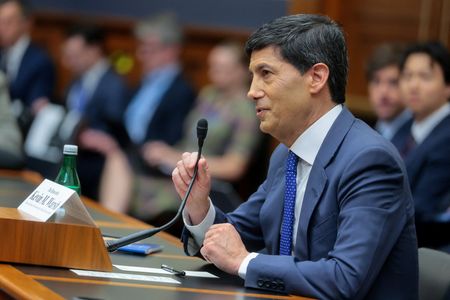
Official details regarding the transaction have not been disclosed by the White House, and Boeing has remained silent on the matter. Boeing CEO Kelly Ortberg accompanied Trump on his Beijing visit, joining a substantial delegation of corporate executives looking to establish business relationships and sell their products in the Chinese market. This agreement represents a major victory for Boeing in reclaiming access to a market that previously played a crucial role in the company’s expansion strategy.
Trump additionally mentioned that General Electric would benefit from this arrangement, stating the company would provide between 400 and 450 engines for the aircraft. General Electric has not yet provided any statement regarding this arrangement.
During the previous month, Ortberg expressed optimism that any comprehensive U.S.-China trade agreement would incorporate aircraft sales, describing Trump’s scheduled meeting with Xi as a “meaningful opportunity” for Boeing when speaking to investors.
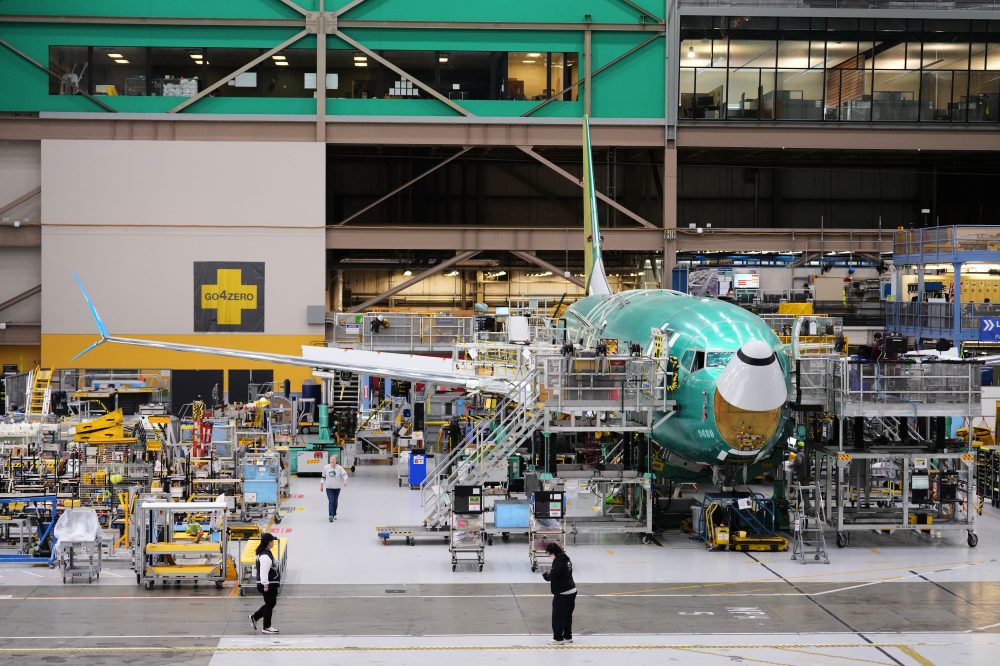
Ortberg assumed leadership in 2024, during what proved to be a devastating period for Boeing as the company faced increased examination over manufacturing and quality control issues while dealing with growing financial difficulties. In January 2024, a component called a door plug separated from a 737 Max aircraft shortly after departure from Portland, Oregon, which brought renewed attention to Boeing’s production methods.
Several months afterward, the U.S. Justice Department reopened criminal proceedings against Boeing related to two deadly Max aircraft accidents, though prosecutors subsequently negotiated a settlement with Boeing to drop the charges, requiring the company to pay an additional $1.1 billion in penalties, victim family compensation, and internal safety and quality enhancements.
Following this, an eight-week labor stoppage during the autumn by assembly workers who build the 737 Max in Washington state interrupted manufacturing operations and increased the company’s financial difficulties.