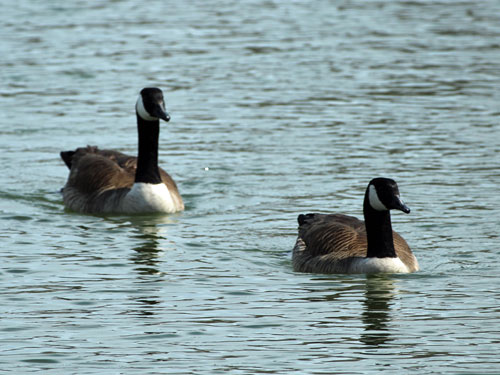

Bird enthusiasts participating in Baltimore’s annual Christmas Bird Count this past December documented a diverse collection of avian species, including several rare sightings that caught researchers’ attention.
The 2025 season represented a milestone as Baltimore City’s first official Christmas Bird Count, expanding from a successful trial run the previous year. Organizers established three designated counting areas: Loch Raven, Middle River, and Baltimore City.
Several locations managed by Maryland’s Dredged Material Management Program fell within two of these counting zones. The Middle River area encompasses Hart-Miller Island Dredged Material Placement Site, while the Baltimore City zone covers multiple facilities including Cox Creek, Swan Creek Wetlands, Masonville sites, and Hawkins Point.
Weather conditions initially hampered the Middle River survey scheduled for December 14, 2025, with strong winds blocking access to Hart-Miller Island. Tim Carney from the Maryland Environmental Service conducted a makeup count on December 16, identifying 13 additional species during the extended counting period. Among these discoveries were uncommon birds such as a rough-legged hawk, short-eared owl, and tree swallow.
Improved conditions on December 20, 2025, enabled survey teams to complete comprehensive counts at all three Baltimore City dredged material sites.
Notable discoveries at each location included:
Cox Creek and Swan Creek Wetlands:
Counters recorded an impressive 2,500 ruddy ducks alongside single sightings of a Virginia rail, plus multiple American kestrels, common ravens, American pipits, and purple finches.
Masonville facilities:
Observers spotted individual examples of a common goldeneye, red-breasted merganser, common loon, and eastern phoebe.
Hawkins Point location:
Teams documented single specimens of an American kestrel, common raven, orange-crowned warbler, and notably, a blue-headed vireo – considered among the two most unusual species recorded during the entire counting effort.
The second rarest bird discovery occurred at Fort McHenry National Monument, where volunteers observed a brant. These Arctic-breeding waterfowl typically migrate to Chesapeake Bay waters each winter season, according to the Chesapeake Bay Program.
Understanding Christmas Bird Counts
These scientific surveys operate within standardized 15-mile diameter circles, ensuring data consistency for annual comparisons. Volunteer teams systematically cover assigned sections within each circle, recording every bird species encountered. The counting period extends three days before and after the official date to include “count week” observations.
This community science initiative traces its roots to early conservation efforts over a century ago.
“Holiday ‘side hunts’ were once common Christmas activities where people competed to kill the most birds,” explained Tim Carney, Senior Environmental Specialist with MES. “Ornithologist Frank Chapman introduced a conservation alternative in 1900, proposing bird counting instead of hunting. Today’s National Audubon Society coordinates this annual program, which has generated over 100 years of North American bird population data.”
Those interested in participating in future bird counts or related activities around Baltimore can visit the Baltimore Bird Club’s website for scheduling information.