
A bipartisan coalition of lawmakers has unveiled legislation Thursday aimed at tightening restrictions on semiconductor manufacturing equipment exports to China, potentially impacting Dutch technology giant ASML and several major Chinese chip producers.
The newly proposed MATCH Act seeks to safeguard America’s dominance in artificial intelligence technology by blocking Chinese firms from acquiring chipmaking equipment they cannot produce domestically. The legislation would also ensure that companies from allied nations operate under the same export limitations as their American counterparts.
While previous export controls targeting China’s semiconductor industry came through executive actions under Presidents Trump and Biden, this marks a Congressional initiative to further limit technology transfers.
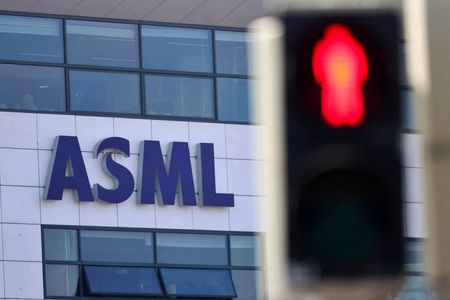
The bill specifically targets immersion DUV lithography technology, a critical component for creating chip circuitry that China must import. This specialized market is largely controlled by Netherlands-based ASML, with Japan’s Nikon serving as a smaller competitor.
Under the proposed restrictions, companies would be prohibited from selling or maintaining such equipment for China’s leading semiconductor manufacturers, including SMIC, Hua Hong, Huawei, CXMT, and YMTC.
ASML representatives chose not to provide comment Friday regarding the proposed legislation.
Current regulations, developed in coordination with the United States and implemented by Dutch authorities, already prevent ASML from shipping its most sophisticated equipment to China. However, the company continues selling older DUV systems to Chinese manufacturers and to major South Korean and Taiwanese firms operating within China. The new legislation would eliminate these remaining sales channels.
China represented ASML’s biggest market in 2025, comprising 33% of total sales. The company projected this percentage would decline to 20% in the current year, according to January statements.
“It is not our place to comment on draft legislation proposed by lawmakers from other countries,” a Netherlands foreign ministry spokesperson stated. The foreign ministry oversees the country’s trade and export policies.