
A boom in private golf club memberships following the COVID-19 pandemic is fueling a wave of major acquisitions in the luxury club industry, with Apollo Global Management’s sale of the largest private country-club operator in North America serving as the latest and largest example.
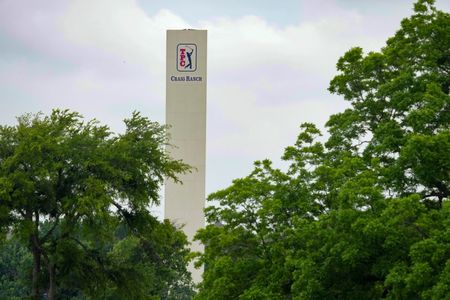
Invited Clubs, which operates well-known venues including Firestone Country Club in Akron, Ohio, and TPC Craig Ranch in McKinney, Texas, announced it has been sold to KSL Capital Partners in a deal worth approximately $3 billion, including debt — confirming what Reuters had previously reported.
Daniel Cohen, a partner at Apollo, pointed to a shift in consumer mindset as a driving force behind the trend. “Post-COVID, there is obviously just a lot more focus on this FOMO or YOLO mentality, the shift of spending money on experiences more than things is never more prevalent than your country club membership for your entire family,” he said, referencing the phrases “fear of missing out” and “you only live once.” Apollo originally acquired Invited nearly a decade ago.
According to data compiled by Reuters, merger and acquisition activity — measured by deal size — for golf and private membership clubs has reached its highest point in at least ten years during 2025.
Exclusivity Commands a High Price Tag
Annual dues at private clubs can easily climb into the tens of thousands of dollars, and some require initiation fees topping $100,000. For the ultra-wealthy, the appeal goes beyond the facilities themselves — privacy and exclusivity carry enormous value. A source familiar with Invited Clubs said the average net worth of its roughly 140,000 members is around $3 million.
The trend toward keeping clubs exclusive has played out in other corners of the industry as well. Soho House was taken private earlier this year in a $2.7 billion transaction involving a group that included MCR Hotels and Apollo, after the company struggled to generate a profit and lost some of its exclusive appeal as a publicly traded company that had grown its membership rolls considerably and reported earnings every quarter.
In another significant deal, Concert Golf — which runs 39 clubs across the country — was acquired by Bain Capital for more than $1.3 billion, including debt, last year. Meanwhile, Reuters reported in May that KKR is looking into selling The Bay Club Company, a West Coast chain offering amenities ranging from spa treatments to golf.
Pandemic Gave Golf a Second Wind
Golf had been losing popularity before the pandemic, largely due to an aging player base. But the sport found a new audience when people turned to it as an activity that allowed for social distancing — and many of those newcomers never stopped playing. Entertainment chain Topgolf, which was valued at $1.1 billion after Leonard Green & Partners purchased a majority stake this year, also helped draw younger players into the sport.
Bank of America data aggregated from debit and credit card transactions showed that golfers spent 37% more at courses last year compared to pre-pandemic averages. That figure outpaced most leisure categories, coming in second only to the cruise industry and ahead of theme parks and boating.
“The experience economy is alive and well, and we see golf as a key beneficiary of this trend,” the bank’s report, released in March, stated.
Invited Clubs: A Resilient Business Through Tough Times
Apollo’s sale of Invited Clubs — which owns more than 150 properties — to KSL represents the largest private-club transaction of the year so far.
Interestingly, KSL is not a stranger to this company. The firm previously owned it under its former name, ClubCorp, from 2006 to 2013, purchasing it for $1.8 billion before eventually taking it public. Apollo then brought Invited back into private hands in 2017 at an enterprise value of $2.2 billion, including debt. Shortly after, the pandemic forced the cancellation of all weddings and large-scale events at its properties.
Cohen noted that golf club membership revenue tends to be remarkably stable — customers rarely cancel, making it a dependable source of recurring income. “A lot of people who belong to country clubs, this is your entire social life,” he said. He added that even when the oil market cratered in the mid-2010s and Texas faced economic hardship, membership at Invited’s Texas clubs held steady.
That durability also showed up during the pandemic itself. Invited’s golf memberships actually grew between 2019 and 2021. The company adapted by converting some tennis courts into pickleball courts and purchasing hundreds of outdoor heaters in March 2020. “By the time the fall came, when the virus was obviously still everywhere, the clubs were able to reopen and have a lot of outdoor activity,” Cohen said.
Reuters reported in December that Apollo had been preparing Invited for a potential return to public markets, but ultimately chose to sell. Under Apollo’s ownership, the company’s annual operating earnings more than doubled to over $350 million, not counting divested clubs and businesses, according to a source with knowledge of the company.
KSL Capital Partners declined to comment. An Invited Clubs spokesperson offered this statement: “As we move forward with KSL Capital Partners, we remain focused on executing our growth strategy, investing in our clubs and member experience, and creating long-term value for our members, employees, and communities.”