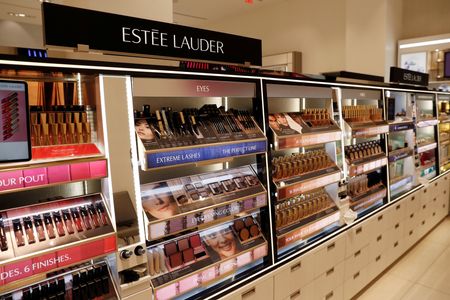

Two major beauty companies have walked away from merger discussions that would have created one of the world’s largest luxury cosmetics empires. American beauty giant Estee Lauder and Spain’s Puig announced Thursday they have called off talks about joining forces.
The potential deal, first revealed in March, would have formed a $40 billion premium beauty conglomerate combining prestigious brands including Tom Ford, Carolina Herrera, Rabanne, Jean Paul Gaultier and Clinique.
These negotiations came several months after France’s L’Oreal secured a $4.7 billion agreement to purchase the beauty division from Gucci-owner Kering, as companies pursue expansion opportunities while facing slower demand following years of post-pandemic growth.
Wall Street responded positively to the news, with Estee Lauder’s stock price jumping approximately 12% in after-hours trading Thursday.
The American company stated it remains committed to implementing its Beauty Reimagined strategy, a recovery initiative led by CEO Stephane de La Faverie designed to reverse three consecutive years of declining sales and shrinking market position.
“We have one of the most powerful portfolios of prestige beauty brands in the world… and we believe we are uniquely positioned to drive sustainable long-term growth globally,” he said in a statement.
Estee Lauder’s brand collection features Bobbi Brown cosmetics, La Mer skincare products, and fragrance lines Le Labo, Jo Malone and Kilian Paris.
RBC Capital Markets analyst Nik Modi expressed relief about the terminated discussions. “We are relieved to hear that the talks… have been terminated,” Modi commented, noting that integration challenges from such a combination would have created prolonged uncertainty for investors.
Earlier this month, Estee Lauder increased its yearly earnings projection and announced plans to eliminate up to 3,000 additional positions worldwide as part of an expanded restructuring effort, while Puig disclosed weaker sales performance for the first quarter in late April.