
Labor unrest is intensifying across Australia’s resources industry, with the country’s iron ore mines and ports now facing a heightened threat of strikes. Major companies including BHP say the combination of rising costs and increased red tape is weakening Australia’s standing as a destination for mining investment.
Mining unions have stepped up industrial action ever since the Labor government passed legislation in 2022 that gave them greater power to negotiate wage agreements covering multiple employers, more flexibility in working arrangements, and the ability to call industry-wide strikes.
Data from the Australian Bureau of Statistics shows that working days lost to labor disputes surged in the final three months of 2025 to their highest point since 2022. Workers have been pushing for pay increases and stronger job protections as Australia contends with 4% inflation and three interest rate hikes over the past year.
Earlier this month, strike activity disrupted shipments of liquefied natural gas from the Ichthys LNG project, which produces about 10% of Australia’s total LNG output. The project’s Japanese operator, Inpex, eventually reached a deal with unions to end the disruption.
Shell’s Prelude floating LNG vessel is now heading into its own wage negotiations. If no new employment agreement is reached, unions have the option of applying to Australia’s labor arbitration body to authorize strike action.
David Peetz, a professor of employment relations at Griffith University, noted that recent union wins in the energy sector are sending a message to workers across the industry. “Seeing union victories in the oil and gas sector in the region will tell a lot of workers that being unionised can make a difference,” he said.
Oil and gas workers had already begun rejoining unions before the 2022 law took effect, and they waged extended wage battles in 2022 and 2023 that resulted in significant pay increases.
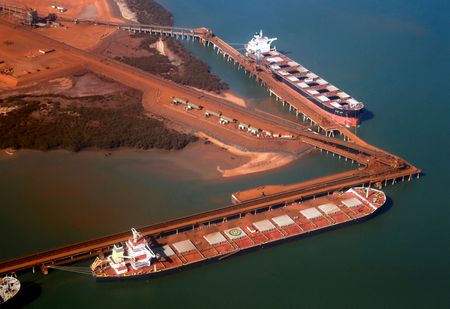
Tensions are also rising at BHP’s Port Hedland operations, a critical hub for iron ore exports. Unions may pursue coordinated industrial action if no agreement is reached at their next scheduled meeting on July 7.
Port Hedland, which is also used by Fortescue and Hancock, moves approximately $150 million worth of iron ore every day — highlighting just how much is at stake if operations are disrupted at Australia’s most important export facility.
At a conference in March, BHP’s head of Australian operations, Geraldine Slattery, warned that Australia risks “losing its status as a top mining destination” if issues with costs and productivity are not resolved. Australian mine workers are already counted among the highest-paid in the world.
Jon Mills, an analyst at Morningstar, cautioned that if escalating industrial action continues to push wages higher, “then BHP and Rio will continue to automate as much as possible.”