
Australia’s central bank officials are expressing concern that escalating energy expenses could rapidly drive consumer prices higher, given the current strained condition of the nation’s economy, potentially triggering a major change in how people view future inflation.
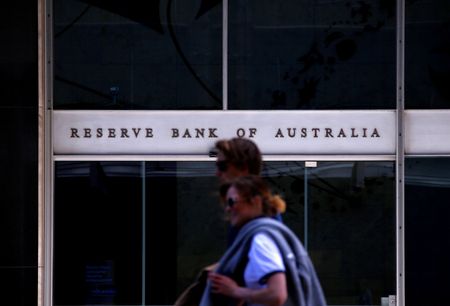
The Reserve Bank of Australia’s assistant governor, Sarah Hunter, explained during prepared remarks on Tuesday that this concern contributed to the central bank’s decision to increase interest rates for the third time this year to 4.35% this month, completely undoing the policy easing implemented in 2025.
“The recent rise in oil prices is particularly challenging to navigate. Higher oil prices mean higher costs and higher consumer prices in the near term – that is a given,” Hunter stated during her address to the Bloomberg Forum for Investment Managers.
“But this shock has come against a backdrop of elevated capacity constraints and domestic cost pressures… our research suggests pass-through will be faster and more extensive, and the risk of inflation expectations drifting higher is elevated,” she continued.
Hunter observed that several companies have already implemented higher fuel surcharges while some construction firms are reconsidering pricing for upcoming contracts.
Major uncertainties persist, she noted. Oil prices might remain high for an extended period and the Iran war could result in broader and more lasting supply chain disruptions that would contribute to inflation. Brent crude futures reached two-week peaks on Monday, trading beyond $110 per barrel, while the Strait of Hormuz stayed closed.
Nevertheless, inflation could be reduced if consumers decrease spending and companies pull back on investments more dramatically than anticipated, she indicated.