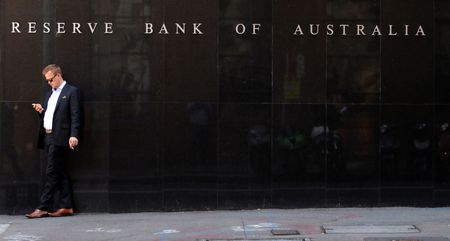

SYDNEY, Feb 17 – Australia’s Reserve Bank determined that inflation would have remained persistently elevated without the interest rate increase implemented this month, though officials remain uncertain whether additional tightening measures will be required.
Board meeting minutes from the Reserve Bank of Australia released Tuesday revealed that members expressed concern about risks to inflation and employment goals that had “shifted materially,” strengthening the argument for a rate increase.
“Members agreed that the data received since the previous meeting had strengthened their concern that, without a policy response, inflation would remain persistently above target for too long,” according to the meeting minutes.
The board voted unanimously to increase the cash rate by 25 basis points to 3.85%, undoing one of three rate cuts implemented in 2025. Financial markets are betting that persistent inflation this quarter could prompt another rate hike to 4.10% when the board meets in May.
First quarter consumer price data, scheduled for release in late April, is expected by analysts to show core inflation remaining around 3.4%, significantly higher than the RBA’s target range of 2% to 3%.
The central bank projects core inflation will reach 3.7% by mid-year and decline to 3.2% by the end of December.
Meeting minutes indicated the board identified risks in both directions for inflation and economic growth, emphasizing they will depend on upcoming economic data to guide policy decisions.
“Members agreed that the prevailing uncertainties meant it was not possible to have a high degree of confidence in any particular path for the cash rate,” the minutes stated.
While some inflationary pressures may prove temporary, the broad-based nature of price increases could continue without policy tightening, according to the minutes.
However, board members acknowledged their commitment to returning inflation to target levels over time while preserving recent employment gains.
The board observed that domestic spending had exceeded expectations, while rapid increases in home prices and mortgage activity indicated financial conditions were less restrictive than previously believed.
Labor market conditions remained strong with unemployment dropping to 4.1% in December, leading the board to conclude that “downside risks” to employment had diminished.
The global economy has shown greater resilience to U.S. trade policies than anticipated, partly due to increased investment in artificial intelligence and data center infrastructure.
While a sustained rise in the Australian dollar could somewhat tighten financial conditions, the board noted that part of the currency’s strength reflected expectations of higher interest rates.