
MELBOURNE, Australia (AP) — The Australian government issued a ban Wednesday preventing one of its citizens with suspected Islamic State connections from returning home from a Syrian detention facility.
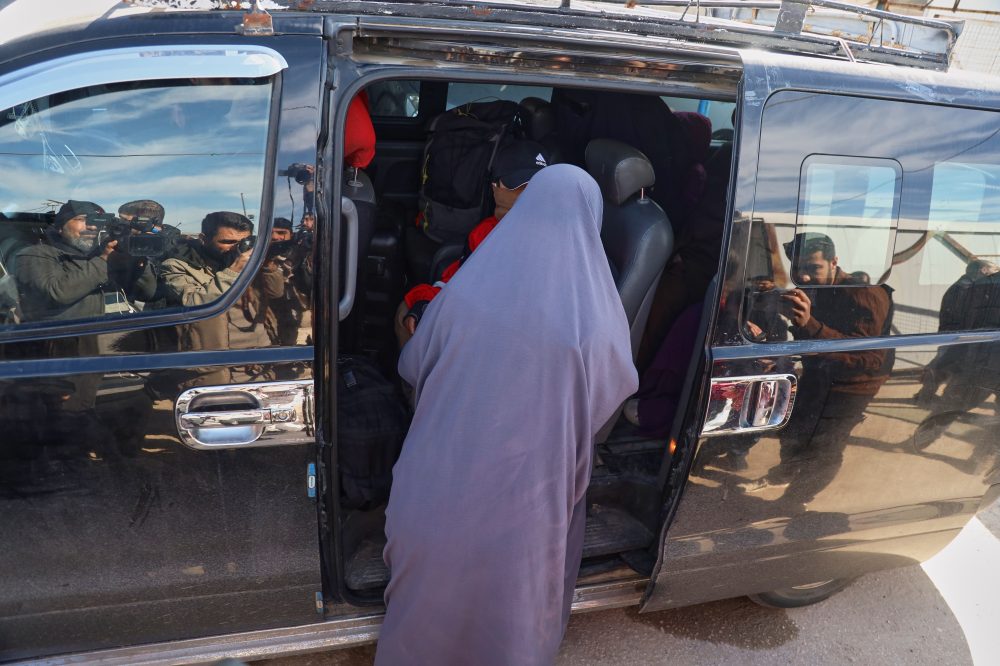
This individual was part of a 34-person group consisting of women and children who attempted to travel from Damascus to Australia on Monday. However, Syrian officials sent them back to the Roj detention facility due to administrative issues.
Since the Islamic State lost territorial control in Syria in 2019, the country has held wives of former militants and their children from various nations in detention camps.
Tony Burke, the Home Affairs Minister, announced that Australian security officials determined one person in the group posed enough risk to warrant entry denial, even though they hold citizenship. Burke declined to reveal the person’s identity or specify the duration of the prohibition.
“I can confirm that one individual in this cohort has been issued a temporary exclusion order, which was made on advice from security agencies,” Burke stated.
“At this stage, security agencies have not provided advice that other members of the cohort meet the required legal thresholds for temporary exclusion orders,” Burke continued.
These temporary exclusion orders allow Burke to block high-risk citizens from entering Australia for as long as two years.
Previously, Australian administrations have brought home Australian women and children from Syrian camps twice. Additional Australians have also made their way back independently.
On Wednesday, Prime Minister Anthony Albanese restated his stance from the previous day that his administration would not provide assistance to bring this latest group home.
“These are people who chose to go overseas to align themselves with an ideology which is the caliphate, which is a brutal, reactionary ideology and that seeks to undermine and destroy our way of life,” Albanese explained to media.
“We are doing nothing to repatriate or to assist these people. I think it’s unfortunate that children are caught up in this, that’s not their decision, but it’s the decision of their parents or their mother,” Albanese continued.