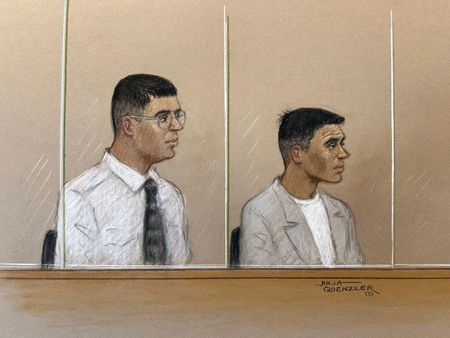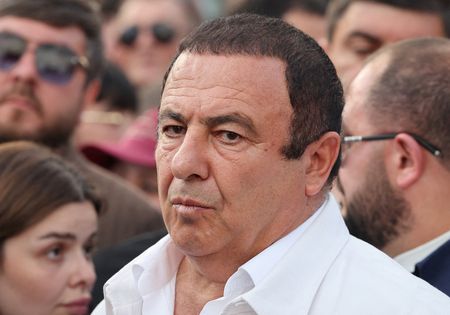

The leader of a pro-Russian Armenian opposition party has been ordered held in pre-trial detention for two months, following his arrest on suspicion of large-scale fraud and money laundering, according to the Armenpress news agency, which cited a court ruling issued Tuesday.
Gagik Tsarukyan, a billionaire businessman, was taken into custody Monday alongside an associate. Prosecutors allege he was involved in the fraudulent importation of vehicles, machinery, fuel, and other goods valued at approximately $21 million from Iran between 2022 and 2024.
The arrest comes shortly after Prime Minister Nikol Pashinyan secured re-election last month in a vote that saw him defeat a field of mostly pro-Russian opposition parties. Following his victory, Pashinyan vowed to take action against what he described as the “three-headed spy party of war” — a reference to three key opposition groups: Strong Armenia, the Armenia Alliance, and Tsarukyan’s Prosperous Armenia party.
Throughout the campaign, Pashinyan warned that opposition forces were attempting to pull Armenia back into armed conflict with Azerbaijan, a country with which Armenia has experienced intermittent hostilities dating back to the late 1980s.
On Monday, Armenian investigators conducted searches at Tsarukyan’s home and roughly 70 other locations connected to him and his wide-ranging business interests, which reportedly include a brandy factory, a cement plant, and a sports complex.
Tsarukyan’s legal team has indicated they plan to challenge any conviction, according to Russia’s state-run news agency TASS.
Eight opposition organizations, which had already alleged that last month’s election was fraudulent, condemned the arrests as politically motivated. The country’s Central Election Commission rejected a petition from opposition groups seeking to invalidate the election results on Saturday.
Tsarukyan, 69, is a former world arm wrestling champion who amassed his fortune in gambling, mining, and other industries during the turbulent years that followed the Soviet Union’s collapse in 1991, of which Armenia was a part.