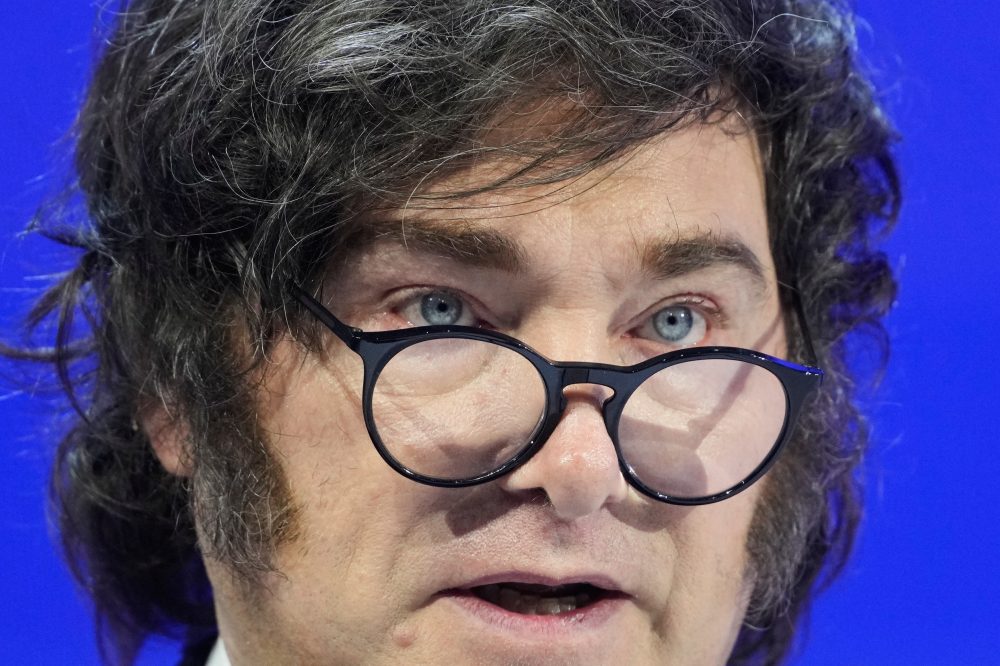

BUENOS AIRES, Argentina — Argentine President Javier Milei departed Wednesday for his fourteenth visit to the United States, where he will participate in President Donald Trump’s inaugural Board of Peace initiative session. Milei is also scheduled to join Trump’s regional gathering in Miami on March 7, bringing together Latin American leaders who support the White House’s political direction.
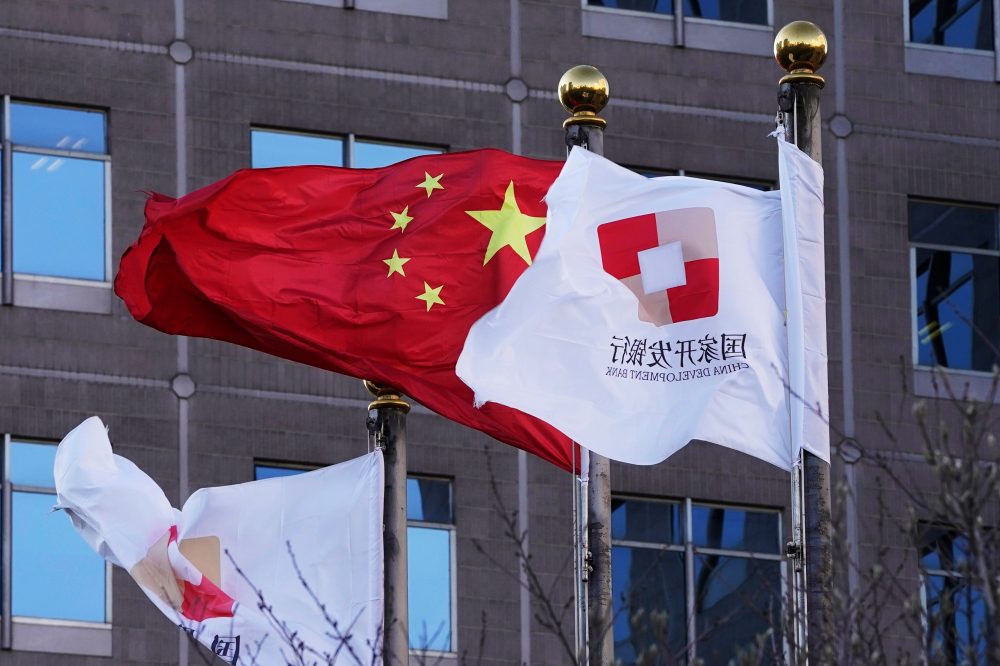
These diplomatic missions occur as Trump works to strengthen partnerships aimed at reducing Chinese influence across Latin America, while Milei navigates delicate international relations — aligning his nation’s foreign policy with Washington’s vision while simultaneously deepening economic connections with Beijing, Argentina’s primary trade partner.
Despite calling Beijing’s Communist leadership “assassins” during his campaign, political analysts note that after two years in office, Milei clearly cannot sever ties with China.
Benjamin Gedan, who leads the Latin American program at the Wilson Center, explained: “Argentina relies on China’s insatiable demand for South America’s energy, food and minerals, and the United States will never replace that market.”
Recent government statistics show China became Argentina’s primary trading partner this past December, surpassing neighboring Brazil three months prior. Argentine shipments to China jumped 125% compared to the previous year, while imports increased 26%.
Mariano Turzi, an international relations professor at Austral University near Buenos Aires, described the situation as paradoxical: “It’s the great irony of Milei’s administration. Milei rhetorically seeks to distance himself from China. But it was under Milei’s anti-communist libertarian government that China gained greater ground in the Argentine market.”
Milei’s representatives did not respond to requests for comment.
Business leaders have praised Milei’s efforts to control runaway inflation and ease strict capital restrictions. However, his elimination of tariff protections and reduction in public infrastructure spending have damaged domestic manufacturers in this historically protectionist country. Argentine producers, facing some of Latin America’s heaviest tax burdens, express concerns about unfair international competition, especially from China.
The recent arrival of Chinese electric vehicles at an Argentine port last month ignited heated discussions, coinciding with multiple factory shutdowns and contrasting with other nations like Mexico, which imposed steep tariffs on Chinese EVs to align with Washington’s stance.
Major tire producer Fate ceased operations Wednesday, eliminating over 900 jobs. The company blamed “changes in market conditions,” which local news outlets widely understood as referring to Chinese competition among other challenges.
Labor ministry officials ordered a 15-day halt to the layoffs Thursday, providing time for company-union negotiations, though the company indicated it would close permanently regardless.
Chinese investment has funded hydroelectric dam construction and solar energy facilities throughout Argentina, with significant stakes in crucial sectors including the nation’s rapidly developing mining operations. Chinese corporation Ganfeng Lithium has invested billions in lithium reserves located in Argentina’s northern regions.
A Chinese space installation in southern Neuquen province, which US officials claim could serve military functions and represents China’s first such overseas facility, has operated for several years.
During Milei’s most challenging presidential period — approaching October 2025 midterm elections amid market instability — Washington provided $20 billion in financial assistance to support the Trump ally’s political future and prevent further peso devaluation.
This significant intervention reflects the Trump administration’s implementation of what it calls a contemporary version of the Monroe Doctrine — the 1823 declaration warning European nations about American authority in the Western Hemisphere.
Following Trump’s controversial Argentine financial rescue, US Treasury Secretary Scott Bessent stated on Fox News that Milei was “committed to getting China out” of the South American country.
However, months afterward, little evidence supports this claim, as Argentine officials emphasize that their nation’s strong US relationship does not damage ties with China.
Despite Argentina and the US signing an extensive trade agreement this month, Foreign Minister Pablo Quirno recently informed Buenos Aires reporters that the agreement “does not imply that China cannot participate or will not participate in investments in Argentina.”
Wilson Center’s Gedan noted that despite Milei’s frequent visits to Mar-a-Lago and Washington, Argentina demonstrates “a great example of the limitations of the Monroe Doctrine.”