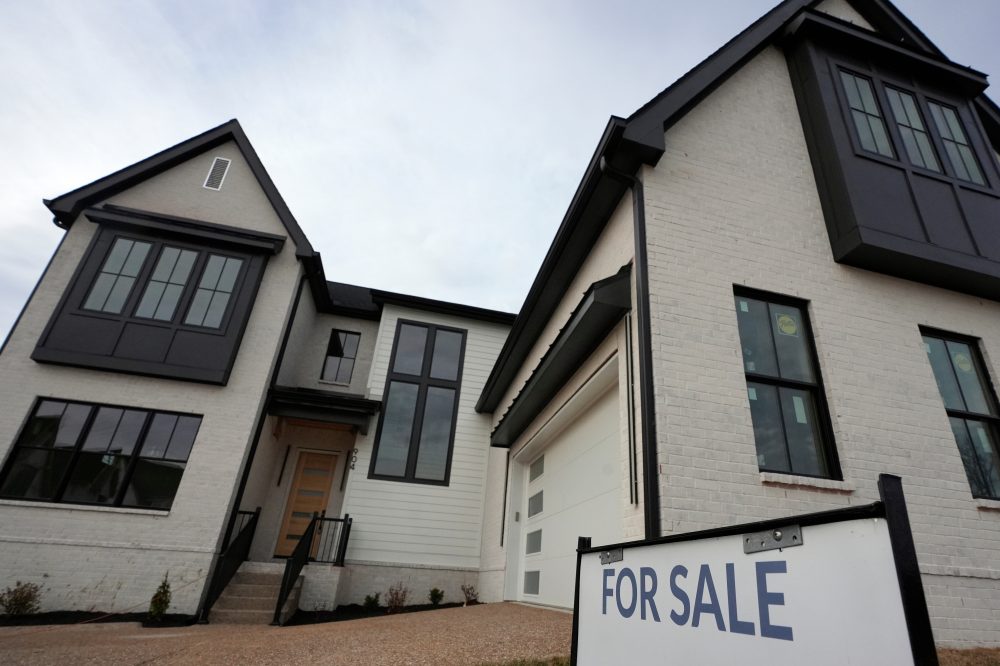

The nation’s housing market showed minimal improvement in April, delivering another disappointing performance during the season that typically sees the year’s strongest activity.
According to Monday’s report from the National Association of Realtors, sales of existing homes climbed just 0.2% from March, reaching a seasonally adjusted annual rate of 4.02 million units. This figure matched last April’s sales volume exactly.
The April results disappointed analysts who had projected sales would reach approximately 4.12 million units, based on FactSet data.
For more than a year now, sales activity has remained stuck near the 4-million mark annually, well below the typical historical average of around 5.2 million.
Meanwhile, housing costs continued their upward trajectory last month, though the pace of increases has moderated. The national median home price climbed 0.9% year-over-year to reach $417,700, setting a new record for any April since data collection began in 1999. This marks the 34th consecutive month of annual price growth.
America’s housing sector has struggled since 2022, coinciding with rising mortgage rates from their pandemic lows. Last year saw existing home sales remain essentially stagnant at three-decade lows, and this year’s first quarter continued showing year-over-year declines.
“This spring homebuying season, so far all the way through April, we can say we are not predicting any increase compared to one year ago,” said Lawrence Yun, NAR’s chief economist.
April purchases likely originated from contracts signed during February and March, when 30-year mortgage rates fluctuated between 5.98% — the lowest point in three and a half years — and 6.38%, according to Freddie Mac data. Last week’s average rate stood at 6.37%.
Though current rates remain lower than last year’s levels, they’ve been volatile since conflicts with Iran escalated, as rising energy costs spark inflation concerns.
Buyers who can afford current prices are finding more options available, though inventory remains significantly below normal levels.
Unsold properties totaled 1.47 million at April’s end, representing a 5.8% increase from March and 1.4% growth from the previous April. This inventory level marks the highest April total since 2019, when 1.83 million homes were available.
However, this still falls short of the roughly 2 million homes typically available before the COVID-19 pandemic began.
April’s inventory represents a 4.4-month supply based on current sales activity. Market balance traditionally requires a 5- to 6-month supply.
“We really need to see 30% growth in inventory, but we’re not really seeing that,” Yun said.