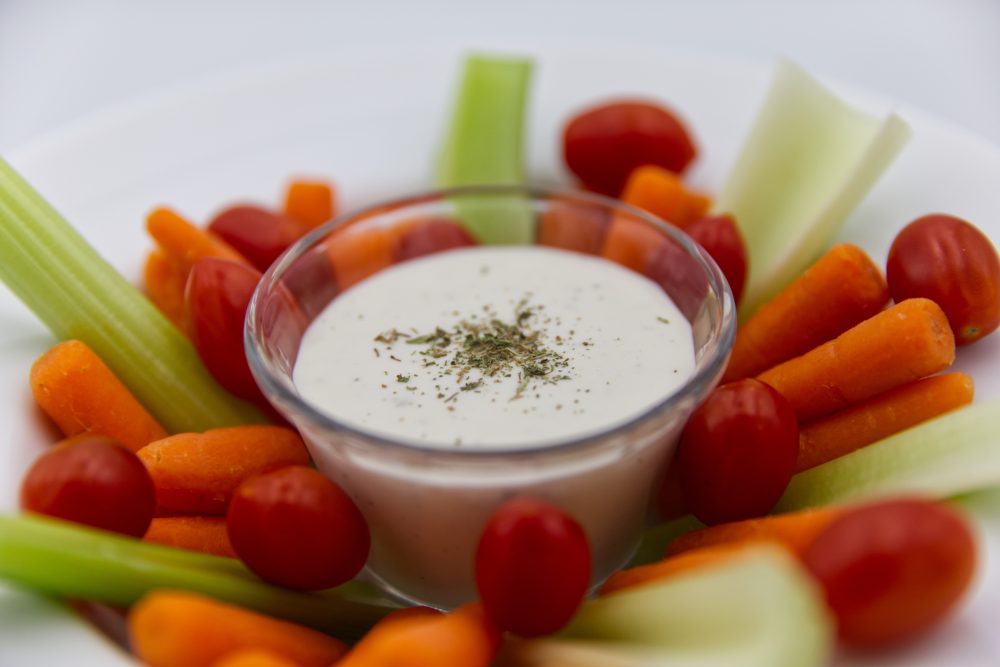

Ranch dressing claims the title as America’s most popular salad dressing, surpassing Italian varieties in sales during the final years of the 20th century.
While it continues to enhance lettuce salads, ranch has expanded far beyond its original purpose. The creamy condiment now rivals ketchup and other sauces, serving as a dip for hot wings, fried pickles, and even pizza — a pairing that sparks heated debates.
The versatile sauce has become deeply embedded in American food culture, appearing everywhere from grocery shelves to restaurant menus. Entire cookbooks celebrate the flavor, and at least one restaurant has built its identity around it.
Ranch generates strong reactions — both positive and negative. Food writers have dubbed it the “Great American Condiment” while others dismiss it as “extravagant and trashy.” Nick Higgins, an executive with Hidden Valley Ranch’s parent company, says the product taps into American nostalgia and cultivates devoted fans.
The company welcomes the passionate discussions their product generates. “We love it,” Higgins said. “It’s one of the things we can debate as people and it’s OK.”
The condiment’s rise to prominence reflects classic American entrepreneurship and ingenuity.
“What started out almost as a lark became a multimillion-dollar industry,” creator Steve Henson told the Los Angeles Times about his famous recipe and Hidden Valley Ranch, the mail-order company he established in the 1950s before selling to Clorox two decades later.
Henson initially prepared his blend of herbs, spices, buttermilk and mayonnaise for fellow plumbing contractors in Alaska. The mixture became so popular with visitors at Hidden Valley, the California dude ranch he operated with his wife, that he began marketing it as a do-it-yourself dry seasoning packet. Clorox eventually produced a ready-made bottled version, prompting competitors including Ken’s, Kraft Foods and Wish-Bone to create their own versions.
Debbie Wilson Potts remains a devoted fan. Her family operates Cold Spring Tavern in California, which became the first establishment beyond Henson’s ranch to offer the dressing. Her deceased aunt, who was acquainted with Henson, once described her initial experience: “It took off in my mouth like a freight train.”
The popularity spread nationwide. Food historian Paul Freedman includes ranch dressing in his book “American Cuisine and How It Got This Way” alongside sushi, arugula and other culinary trends from the 1980s — the same era that introduced Cool Ranch Doritos. After four decades of widespread appeal, Freedman believes ranch has secured its permanent place in American cuisine.