
DUBAI, United Arab Emirates — A fragile three-week ceasefire between the United States and Iran faced new strain Tuesday after American forces successfully pushed two commercial vessels through the blocked Strait of Hormuz, prompting Iranian retaliation against United Arab Emirates targets.
The American military operation, which officials dubbed “Project Freedom,” marked the first successful challenge to Iran’s blockade of the critical waterway since fighting began in late February. However, the breakthrough came at a cost, with Iran launching missiles and drones that struck UAE facilities and wounded three Indian workers.
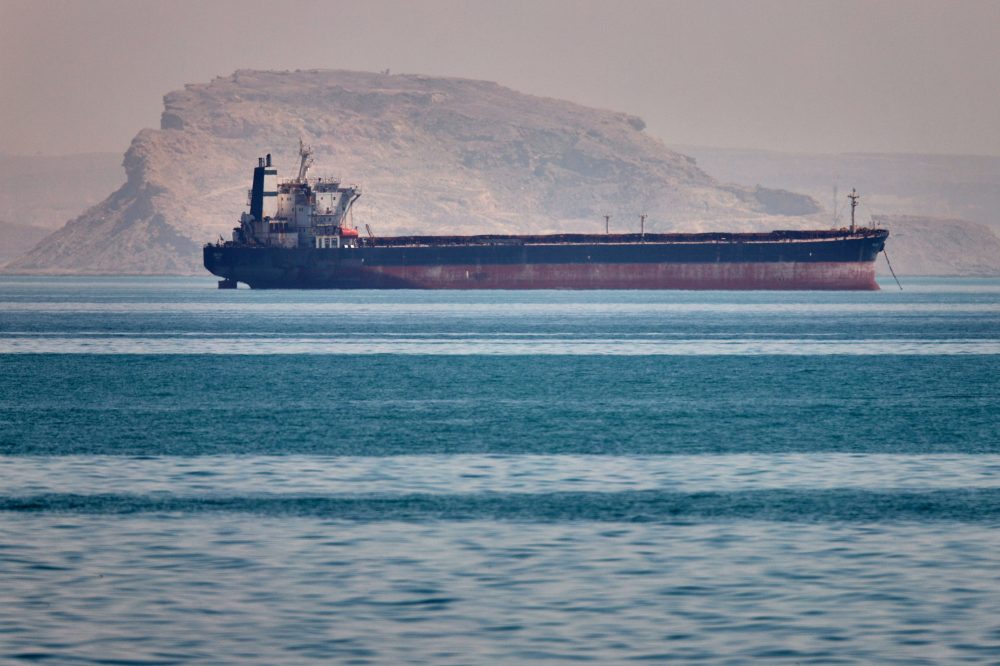
Questions remain about whether additional ships will attempt the dangerous passage after Monday’s operation. Tracking systems showed a Panamanian oil tanker moving toward the strait Tuesday morning, bound for Singapore, though officials couldn’t confirm if it would try to cross.
Iran’s control over the strait has created a stranglehold on global energy markets, as roughly 20% of the world’s oil and natural gas normally flows through the narrow waterway. The blockade has driven fuel costs higher worldwide and given Tehran significant bargaining power in ceasefire negotiations.
The American breakthrough effort involved clearing Iranian mines and establishing what military officials called an “enhanced security area” in Omani waters. Admiral Brad Cooper, who leads U.S. Central Command, reported that Iranian forces responded with cruise missiles, drones and small attack boats targeting civilian ships under American protection. U.S. helicopters destroyed six Iranian boats during the confrontation.
Iranian parliamentary speaker Mohammad Bagher Qalibaf responded angrily on social media Tuesday, accusing Washington of threatening shipping safety in the strait. “We know full well that the continuation of the status quo is intolerable for America; while we have not even begun yet,” Qalibaf warned, suggesting Tehran plans further retaliation.
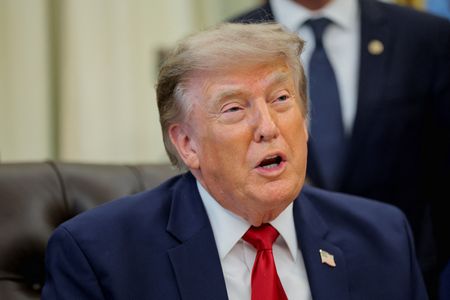
President Donald Trump had previewed the operation Sunday, stating that Iranian efforts to block the waterway “will, unfortunately, have to be dealt with forcefully.” Trump said the mission aimed to help hundreds of ships stranded in the Persian Gulf since hostilities began.
The UAE confirmed its air defenses engaged 15 Iranian missiles and four drones during Monday’s attacks. Officials in Fujairah reported that one drone sparked a fire at an oil facility, while British forces reported two cargo ships caught fire off the UAE coast.
International leaders quickly condemned the Iranian strikes. Indian Prime Minister Narendra Modi called attacks on civilians and infrastructure “unacceptable,” while expressing “firm solidarity” with the UAE. Modi emphasized that safe passage through the strait “is vital for enduring regional peace, stability and global energy security.”
Both Pakistan, which has been mediating between Washington and Tehran, and Saudi Arabia denounced the attacks. The Saudi foreign ministry demanded Iran “cease these attacks, comply with the principles of international law and relevant United Nations Security Council resolutions.”
Iranian Foreign Minister Abbas Araghchi warned both the U.S. and UAE Tuesday to avoid “being dragged back into quagmire,” though Tehran neither confirmed nor denied launching the attacks.
The strait closure has particularly hurt European and Asian nations dependent on Persian Gulf energy supplies. Meanwhile, the U.S. has maintained its own naval blockade of Iranian ports since mid-April, forcing at least 49 commercial ships to turn away and threatening sanctions against companies that pay Iran transit fees.
This economic pressure has cost Tehran crucial oil revenue needed for its struggling economy. American officials hope the blockade will force Iranian concessions on nuclear issues and other longstanding disputes.
Iran’s latest peace proposal demands the U.S. lift sanctions, end its blockade, withdraw regional forces, and halt all military actions including Israeli operations in Lebanon. Iranian officials say they’re reviewing the American response, though a Foreign Ministry spokesman complained Monday that changing demands complicate diplomatic efforts.
Tehran claims its proposal excludes nuclear program discussions, despite uranium enrichment being a key source of tensions with the U.S. and Israel. Iran wants other issues resolved within 30 days and seeks to end the conflict rather than simply extend the current ceasefire. Trump expressed skepticism over the weekend that the proposal would produce an agreement.