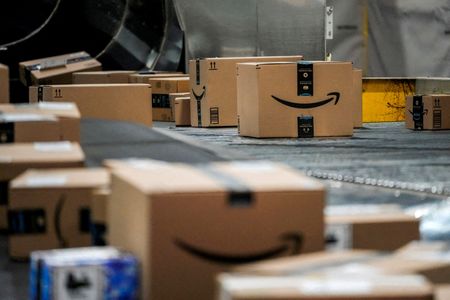

American consumers turned to Amazon’s annual Prime Day sales event in force, snapping up deals on electronics, appliances, children’s products and everyday household items. According to data firm Adobe Analytics, shoppers spent more than $26.4 billion between June 23 and June 26 — a 9.3% increase compared to the same event last year.
Retail experts say the jump in spending doesn’t necessarily mean consumers are feeling flush. Instead, they point to a combination of persistent inflation and shoppers taking advantage of steep markdowns to finally purchase higher-priced items they had been putting off — things like electronics, toys, appliances and personal care products.
Adobe noted that the strong discounts during the four-day event pushed many buyers toward those pricier purchases, and warned that retailers may need to keep offering significant price cuts to move products during the upcoming holiday shopping season.
CFRA Research analyst Arun Sundaram pointed to another factor that may have fueled spending: tax refunds. He said those refunds “could have provided a sizable tailwind to a lot of these discretionary categories.” He cautioned, however, that tax refunds won’t be a factor for most shoppers heading into the fall and winter months.
According to data from the U.S. Internal Revenue Service, tax refund amounts climbed 11.1% to $3,462 in 2026, giving many households extra cash to spend on purchases they had been holding back on.
Shoppers also loaded up on back-to-school items, kids’ clothing, personal hygiene products and home goods. Sonia Lapinsky, managing director of retail at consultancy Alix Partners, said the buying patterns suggest Prime Day customers were stocking up on “things that they were going to buy anyway.”
“It’s really pointing to that fatigued consumer. They’re not necessarily spending more — they’re just trying to spread what they have over better deals and discounts,” Lapinsky said.
Discount levels during this year’s Prime Day were roughly in line with last year’s event, Adobe reported. Electronics averaged a 24% discount compared to 23% last year, apparel was also discounted at 24% versus 23% previously, and toys were marked down 20% compared to 19% a year ago.
A separate analysis by data firm Numerator, which tracked more than 178,000 Prime Day orders, found that the average order size dropped to $47.66, down from $53.34 last year. Some analysts say that decline is a sign that consumer spending power is weakening.