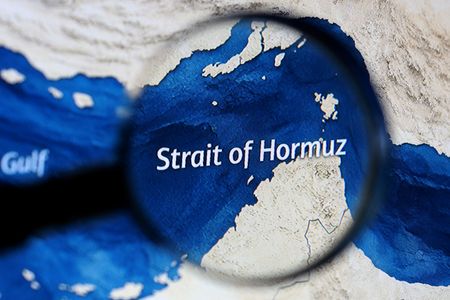

PARIS – European leaders are spearheading international talks this Friday to organize a multinational naval operation that would restore commercial shipping through a critical Middle Eastern waterway once the current conflict comes to an end.
The meeting, co-hosted by France and Britain with approximately 40 nations participating, aims to demonstrate to Washington that key allies stand ready to help reestablish safe passage through the Strait of Hormuz when circumstances permit.
Since U.S.-Israeli military operations began on February 28, Iran has effectively blocked the strategic waterway to all vessels except its own fleet. This week, the United States responded by establishing a naval blockade preventing ships from entering or exiting Iranian harbors.
President Donald Trump has repeatedly urged other nations to assist with enforcing the blockade while criticizing NATO partners for their reluctance to participate.
European officials maintain that joining the current blockade would constitute entering the war directly. However, they have expressed willingness to contribute to keeping the waterway operational once a durable ceasefire takes effect or hostilities cease entirely.
The proposed initiative excludes both the United States and Iran from current planning, though European diplomatic sources acknowledge any viable mission would eventually require coordination with both nations. American officials will receive briefings on the meeting’s outcomes.
According to invitation documents distributed to participating countries, the gathering seeks to reinforce complete diplomatic backing for unrestricted maritime passage through the Strait of Hormuz while emphasizing adherence to international legal frameworks.
Discussions will also address economic hardships affecting the shipping sector and the welfare of more than 20,000 stranded crew members and trapped merchant vessels currently unable to move through the region.
The meeting will outline preliminary preparations for deploying a strictly defensive international military presence designed to guarantee navigation freedom once appropriate conditions exist.
A formal statement from meeting organizers is anticipated following the talks, providing clearer details about the potential mission’s scope, though specific national contributions are not expected to be announced.
French President Emmanuel Macron will host British Prime Minister Keir Starmer, German Chancellor Friedrich Merz, and Italian Prime Minister Giorgia Meloni in Paris for the discussions. Representatives from European, Asian, and Middle Eastern nations will participate via video link.
China has received an invitation to join the talks, though its participation remains uncertain.
Multiple diplomatic sources suggested the proposed mission might never become necessary if normal conditions return to the Hormuz region naturally.
Other officials indicated that shipping corporations and insurance companies might request such a deployment during any transitional period to provide confidence in resumed operations.
“It can involve intelligence sharing, mine-clearance capabilities, military escorts, information procedures with neighbouring countries and more,” a senior French official briefing reporters said.
“The objective is clear, and the resources deployed will naturally depend on the situation.”
British officials confirmed that Friday’s discussions will directly inform a multinational military planning session scheduled for next week.