
A delegation of eight female senators from both political parties is embarking on a diplomatic journey to Arctic territories to strengthen relationships with American allies in the strategically crucial northern region.
The entire delegation, including senators, staff members, and military liaison personnel, consists exclusively of women who will conduct official visits with government leaders across four Arctic territories, observe military operational challenges in extreme conditions, and travel to a Norwegian island chain so isolated that polar bear protection escorts will be required.
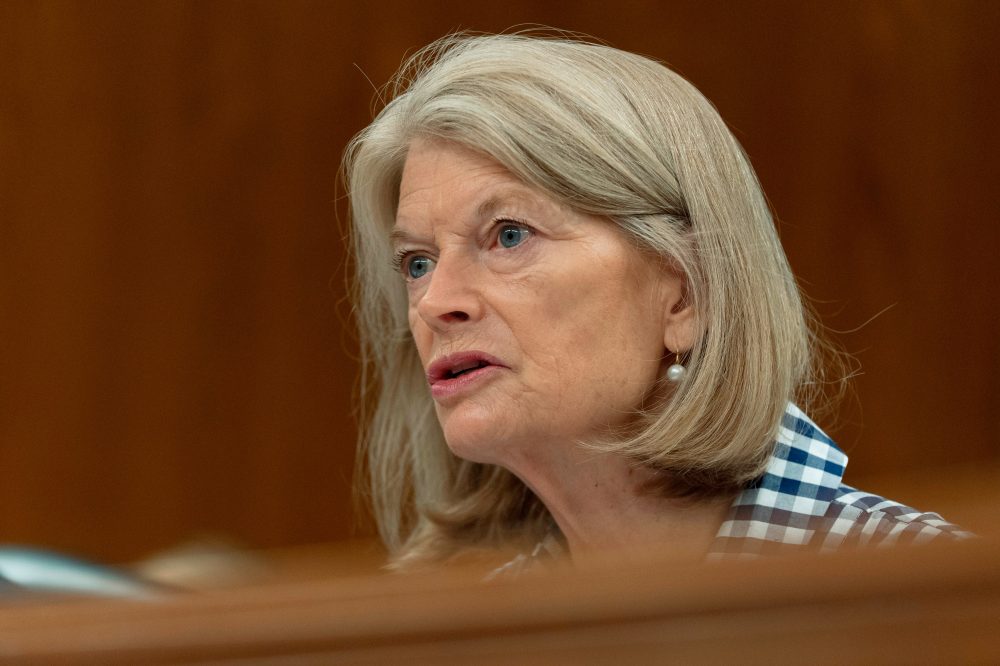
“I want them to experience, first of all, the awesomeness of the Arctic,” said Republican Sen. Lisa Murkowski of Alaska, who is leading the trip alongside Democratic Sen. Jeanne Shaheen, the top Democrat on the Senate Foreign Relations Committee.
This diplomatic mission emerged from both senators’ efforts to strengthen ties with American partners in North America and northern Europe during a period when President Donald Trump has adopted an aggressive, unilateral approach in the area. This week alone, the Pentagon announced a suspension of U.S. involvement in a joint continental defense board with Canada that has operated since World War II.
Both Murkowski and Shaheen believe this represents a misguided strategy for an Arctic region gaining increasing strategic importance and facing distinctive challenges.
“We will reassure our allies that we recognize and appreciate the importance of our allies and partners in the Arctic as in so many other areas,” Shaheen told The Associated Press, adding that she expected the group to discuss “what more we can do as members of Congress to support those relationships.”
The delegation maintains equal representation from both parties, with Republican Sens. Cindy Hyde Smith, Katie Britt and Cynthia Lummis joining Democratic Sens. Maggie Hassan, Kirsten Gillibrand and Catherine Cortez Masto. Beginning Friday, they will travel to Arctic or sub-Arctic areas in Canada, Greenland (an autonomous Danish territory), Svalbard (a Norwegian archipelago among Earth’s northernmost inhabited locations), and Iceland.
Both Murkowski and Shaheen hope the delegation gains enhanced understanding and appreciation for Arctic communities experiencing climate change effects, along with the distinctive obstacles of military operations in these conditions.
“It’s to understand what it means to go into a remote, isolated community that has no access by road,” Murkowski said, adding that the group would see how military sites need airplane hangars because aircraft cannot be kept outside overnight in the Arctic cold.
NATO has recently worked to encourage High North cooperation through multiple joint military training exercises, particularly as nations including China and Russia expand their presence in the region.
As climate change reduces Arctic ice thickness, it may potentially open a northwest trade passage while rekindling competition with Russia, China and other nations for access to regional mineral deposits. The area also houses numerous undersea cable installations with strategic significance.
The delegation will also meet with Indigenous populations who have inhabited the region for centuries and possess deep environmental knowledge. Murkowski expressed hope that the senators return from the journey “excited and intrigued and hopefully inspired.”
Following Trump’s earlier threats regarding Greenland acquisition, Shaheen and Murkowski collaborated on legislation preventing U.S. attacks against NATO member nations. They are among legislators working to incorporate language in this year’s defense bill that would block the Trump administration from abandoning military commitments to NATO partners.
“I also want to know if there are policy directives that we should be thinking about. And it will be great to have a strong bipartisan group there to discuss what we might want to do when we get back,” Shaheen said.
For several destinations on their itinerary, substantial female representation represents standard practice. Iceland’s parliament consists of approximately 46% women, ranking among the world’s leading countries for female political participation.
Shaheen noted that research indicates “when women are the negotiating table, that agreements that are made have a much better chance of lasting for a longer period of time.”
She emphasized that data demonstrates female government representation creates more stable societies and increases community investment.
“There are very real reasons why we need to make sure that women are at the table,” she added.