
JUNEAU, Alaska (AP) — Federal officials will conduct another oil and gas lease auction Friday for Alaska’s Arctic National Wildlife Refuge, marking the latest effort in the administration’s campaign to expand energy development in the state.
Environmental advocates opposing drilling activities in the refuge’s coastal plain have highlighted the limited corporate participation in previous auctions and the ongoing environmental changes affecting Alaska’s northern regions as evidence that the area should remain protected from energy extraction. However, development proponents view the coastal plain, which spans an area comparable to Delaware’s size, as an unexploited energy source that could enhance domestic oil output while creating employment opportunities and generating revenue.
Earlier this year, a group of environmental organizations delivered correspondence to executives at 11 oil companies, including major Alaska operators ConocoPhillips and Hilcorp, requesting they avoid participating in the upcoming auction. The correspondence highlighted continuing legal challenges to the leasing program that began during President Donald Trump’s initial administration and cautioned about “financial, operational and reputational risks.”
The correspondence, endorsed by organizations such as The Wilderness Society, Sierra Club and Earthjustice, described the refuge as a premier location within the nation’s public land network and noted widespread public support for its preservation, “making any action there especially visible and consequential.”
Megan Olson, a spokesperson for ConocoPhillips Alaska, stated the company does not reveal its lease sale strategies. A Hilcorp representative did not provide a response when contacted for comment.
The current administration has demonstrated significant focus on Alaska, with last year’s congressional tax and spending legislation containing requirements for lease auctions in three state regions. Beyond the refuge’s coastal plain, leasing opportunities have been made available in the National Petroleum Reserve-Alaska and Cook Inlet, a mature production area that has supplied natural gas to Alaska’s largest population center for many years.
The Cook Inlet auction in March attracted no bidders. However, the first National Petroleum Reserve-Alaska sale since 2019 drew hundreds of bids from major oil corporations, despite ongoing legal challenges to the leasing program. The administration has worked to make additional reserve lands available for drilling while reducing environmental protections. ConocoPhillips Alaska is currently advancing the substantial Willow oil development within the petroleum reserve.
Across Alaska’s expansive, oil-rich North Slope, the major production areas of Prudhoe Bay and Kuparuk are situated between the National Petroleum Reserve-Alaska and the Arctic National Wildlife Refuge.
The Alaska Industrial Development and Export Authority, a state corporation, currently maintains leases within the refuge, though no active drilling operations exist. The U.S. Geological Survey has projected the coastal plain may hold between 4.25 billion and 11.8 billion barrels of extractable oil, though detailed information about the oil’s quantity and grade remains limited.
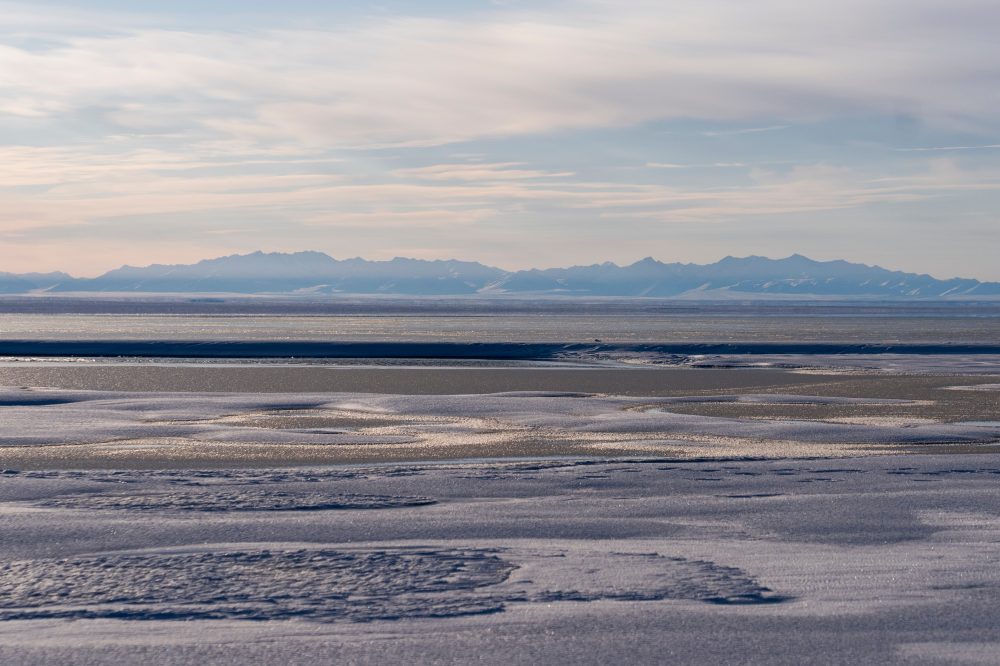
The coastal plain, which borders the Beaufort Sea in northeastern Alaska, contains rolling terrain and tundra that serves as habitat for various wildlife including musk oxen and migratory birds. The Gwich’in people consider it sacred territory, as the caribou herds essential to their way of life give birth there. Representatives from Gwich’in communities near the refuge have committed to ongoing resistance against drilling activities.
However, certain Alaska Native communities have supported development initiatives and consider them vital to the regional economy.
Nagruk Harcharek, president and CEO of Voice of the Arctic Iñupiat, an advocacy organization representing leaders from Alaska Native communities across the North Slope, explained there’s an established tradition of harmonizing development with culturally significant activities like subsistence hunting. Responsible development represents a crucial aspect of self-determination, especially for Kaktovik residents, the sole community located within the refuge boundaries, who favor drilling activities, he noted.
Kaktovik community members conduct hunting and fishing activities on the coastal plain and “will be a big part of whatever project moves forward in making sure that all of those resources are protected and that their people are taken care of,” he stated.