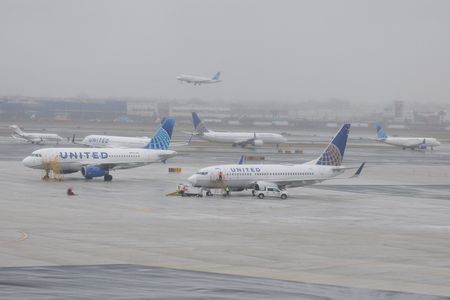

Airline industry leaders from around the world convened in Rio de Janeiro on Saturday for their yearly conference, confronting intensified challenges to the sector’s recovery from the pandemic as conflict in Iran pushes fuel prices higher and disrupts flight paths while carriers attempt to offset costs through increased ticket prices and reduced capacity.
The International Air Transport Association’s annual gathering, running from June 6-8, takes place as rising fuel expenses intersect with another issue airlines struggle to resolve quickly: a lack of available new planes.
Delivery setbacks from Boeing and Airbus have compelled numerous airlines to operate older, less efficient aircraft for extended periods, increasing both maintenance expenses and fuel consumption as oil prices have risen.
IATA, representing over 370 airlines that handle approximately 85% of worldwide air travel, had projected record industry profits of $41 billion for this year prior to the war. Industry leaders and experts anticipate this forecast will be revised downward during the conference.
A Deloitte study of 21 international airline CEOs released this week revealed that fluctuating fuel prices and inflation top the industry’s list of concerns, prompting carriers to emphasize cost management and financial stability more heavily.
“Together, they’ve turned what was supposed to be a record year into a fight for margin,” the survey said.
Airlines face two main expenses: fuel and personnel costs. Unexpected fuel price spikes are difficult to manage since many tickets are purchased weeks or months ahead of departure. Extended routes also consume more fuel and reduce aircraft and crew productivity.
The key question is how much of the recent fuel cost increase can be transferred to passengers before elevated fares begin to reduce demand.
Until now, travel demand has remained strong in multiple major markets, particularly among premium and business travelers, providing airlines greater flexibility to increase prices.
In the United States, domestic published ticket prices as of May 25 demonstrated solid demand and effective transfer of higher fuel costs, with fares for departures one week out rising 35.8% compared to the previous year and four-week advance fares climbing 39.4%, according to Raymond James data.
“The willingness to pay over the past few years, crisis and no crisis, from the premium side has been really strong, and we see that strength continuing,” Alexandre Lefevre, Air Canada’s vice president of network planning and global sales, told Reuters.
However, limitations exist. While higher fares can help airlines recover portions of their fuel expenses, they also risk deterring travelers with limited budgets. This risk increases in areas where local currencies are weak, consumer spending faces pressure, or airlines lack the pricing advantages of major network carriers.
Some carriers continue planning expansion. Singapore Airlines is discussing potential orders for at least 50 large wide-body aircraft, while Qantas is considering purchasing approximately 20 Airbus or Boeing wide-body planes, Reuters reported this week.