
Sixty-six countries have successfully launched groundbreaking international digital commerce regulations, circumventing opposition that had previously stalled the initiative at the World Trade Organization.
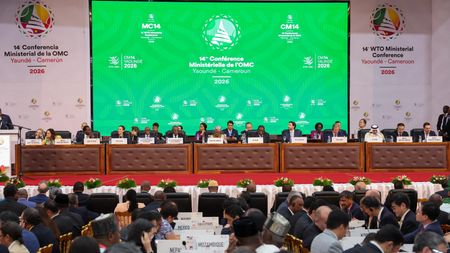
The historic agreement was finalized Saturday during the 14th WTO Ministerial Conference taking place in Yaounde, Cameroon. This marks the first time baseline standards for digital trade have been established on a global scale.
Previous attempts to incorporate the E-Commerce Agreement into official WTO guidelines faced repeated roadblocks from opposing member nations. The new pact is designed to create favorable conditions for online commerce across participating countries.
Frustration with these ongoing obstacles prompted the 66 nations – representing 70% of worldwide trade volume – to pursue an alternative path forward, according to a senior diplomatic source. WTO protocols typically require unanimous approval for agreements involving groups of member countries.
The participating nations chose to implement an interim solution that allows the regulations to take effect within their borders while continuing efforts to integrate the framework into broader WTO policy.
Yamada Kenji, Japan’s State Minister of Economy, Trade and Industry, praised the development as a “historic step” toward establishing universal digital commerce standards.
British Business and Trade Secretary Peter Kyle also welcomed the breakthrough.
“As the first global digital trade deal, this will make trade cheaper, faster and more secure for businesses around the world,” Kyle said.
India has emerged as a primary opponent of the initiative, maintaining that trade policies should be adopted through multilateral consensus rather than smaller group agreements.
“The agreement is a strong message to India, and some others, that if you use consensus to block any reform process or advancements forward, we will proceed anyway,” a senior European diplomat said.
India is simultaneously opposing another WTO plurilateral agreement under discussion in Cameroon that focuses on increasing investment in developing nations, according to two senior diplomatic sources.
Indian officials have expressed concerns that the International Facilitation for Development Agreement could weaken their negotiating position in future talks.
Notably, the United States has not joined the 66 signatory countries, as the Biden administration continues reviewing the proposal.
This digital trade framework operates independently from an existing e-commerce moratorium that prohibits customs fees on digital downloads and streaming services. That separate issue remains deadlocked between U.S. and Indian representatives at the ongoing Cameroon conference.