
CAIRO — A vessel packed with migrants attempting to reach European shores capsized in the Mediterranean Sea off the coast of Libya last week, killing or leaving missing 51 people, according to a monitoring organization that announced the findings on Friday.
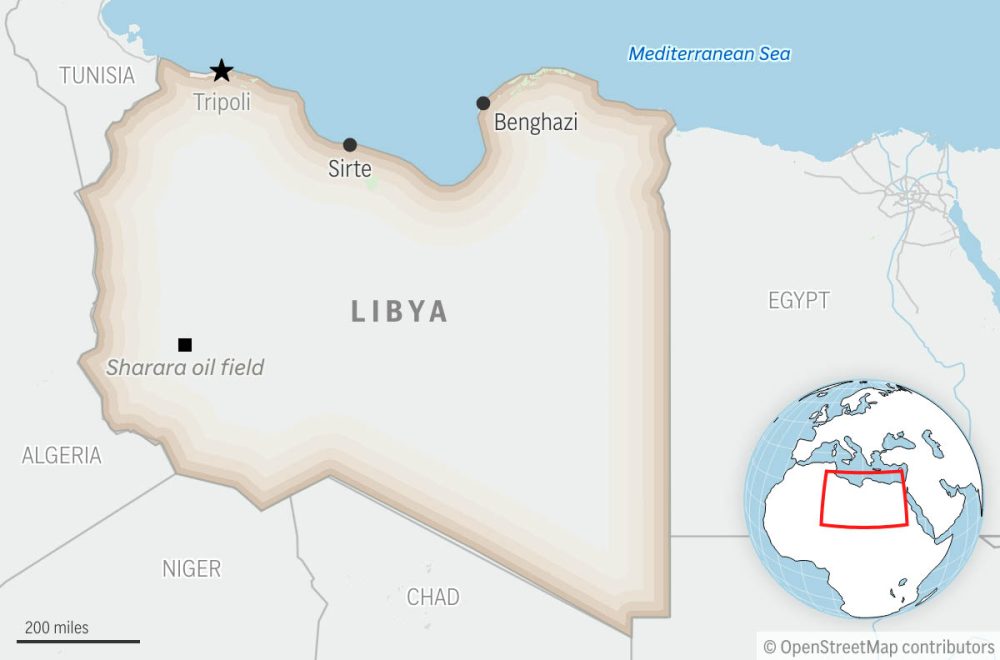
The shipwreck took place on June 12 in waters off the eastern portion of the North African country. Ten migrants managed to survive, according to the Abreen group, which monitors migrant activity in eastern Libya. Eleven bodies have been pulled from the water, while 40 additional people remain unaccounted for.
The Libyan coast guard and the Red Crescent, operating out of the eastern city of Tobruk, reported recovering bodies that began washing ashore over the previous 24 hours. Video shared by the coast guard showed rescue personnel carrying remains in white body bags to shore.
This disaster is the most recent in a string of deadly incidents along this stretch of the Mediterranean. The Libyan coastline serves as one of the primary launching points for migrants from North Africa who are attempting to reach Europe in search of a better life. Smugglers routinely pack these individuals onto small, dangerous watercraft, and thousands have lost their lives making the treacherous crossing.
Between January 1 and May 16 of this year, more than 800 migrants were reported dead or missing along the central Mediterranean route, according to the International Organization for Migration. The previous year saw that number exceed 1,300 along the same path.
Libya has become the primary transit hub for people fleeing conflict and poverty across Africa and the Middle East in recent years. The country descended into widespread instability following a NATO-backed revolt that overthrew and killed its longtime ruler, Moammar Gadhafi, in 2011.
Human traffickers have exploited that instability, moving migrants across Libya’s extensive borders — borders it shares with six different nations. These migrants are typically forced onto dangerously overcrowded boats, including inflatable rubber vessels, to make the sea crossing.
Those who are caught at sea and returned to Libya face detention in government-run facilities where abuse is rampant. According to investigators commissioned by the United Nations, conditions in these centers include forced labor, beatings, sexual violence, and torture — treatment that rises to the level of crimes against humanity.