
If rising gas prices have you searching for a smarter way to get around, a used plug-in hybrid electric vehicle might be worth a serious look. These vehicles work like a standard hybrid but come equipped with a rechargeable battery that allows you to travel short distances using electricity alone. Plug it in regularly at home, and you could dramatically cut down on how often you visit the gas station.
The catch for many buyers is the price tag — new plug-in hybrids tend to cost significantly more than conventional hybrids. That’s where the used market comes in. The automotive experts at Edmunds have put together a list of five used plug-in hybrid models spanning different vehicle types that they consider among the best available. All of the vehicles are less than eight years old, and many have logged fewer than 50,000 miles. Prices will vary based on condition, but Edmunds has provided estimates based on what buyers can expect to find at national retailers like CarMax and Carvana.
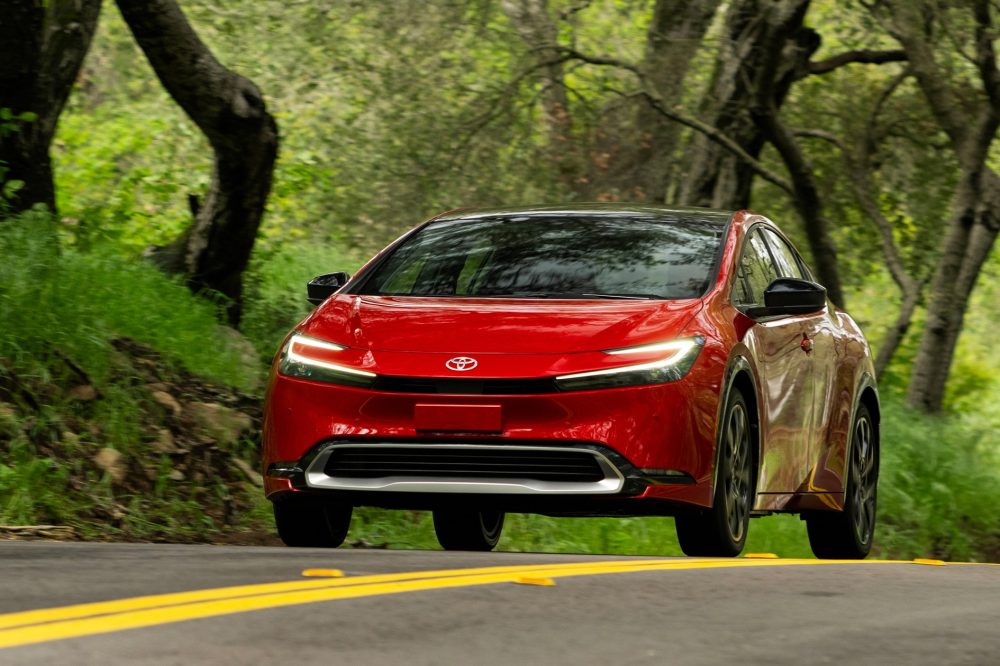
Toyota Prius Prime (2023-2024) — Estimated price: $30,000
Toyota gave the Prius a complete makeover for the 2023 model year, bringing a sharper look, better performance, and updated technology. The Prius Prime is the plug-in hybrid version of the iconic hatchback, delivering up to an EPA-estimated 45 miles of all-electric driving before the gas engine kicks in — at which point it achieves up to 52 mpg. With 220 horsepower and a hatchback body that offers more cargo room than a traditional sedan, a used 2023 or 2024 Prius Prime makes for a capable and efficient daily driver. It comes in SE, XSE, and XSE Premium trim levels.
Hyundai Tucson Plug-in Hybrid (2022-2025) — Estimated price: $29,000
If you need more passenger and cargo room than a compact car can offer, a plug-in hybrid SUV might be a better fit. The Hyundai Tucson Plug-in Hybrid delivers up to an EPA-estimated 33 miles of electric range and achieves 35 mpg in combined city and highway driving. Standard all-wheel drive and a turbocharged engine producing 261 horsepower make for confident acceleration. With up to 66.3 cubic feet of cargo space and a strong suite of technology, safety, and convenience features, the Tucson is a well-rounded choice.
Kia Sorento Plug-in Hybrid (2022-2025) — Estimated price: $30,000
For families that occasionally need a third-row seat, the Kia Sorento Plug-in Hybrid is worth considering. While it’s smaller than a full-size three-row SUV, its compact third row can accommodate children and shorter adults for shorter trips. Fold that row down, and you get up to 45 cubic feet of cargo space. The turbocharged 261-horsepower powertrain offers up to an EPA-estimated 32 miles of electric range and up to 34 mpg in hybrid mode. Buyers with a flexible budget may want to look at a 2025 model for its refreshed styling, interior, and technology upgrades.
BMW X5 Plug-in Hybrid (2021-2023) — Estimated price: $35,000
Most used BMW X5s on the market come with a standard gas engine, but a plug-in hybrid version is also available — and thanks to steep depreciation, it’s more attainable than you might expect. The 2021-2023 X5 plug-in hybrid offers an EPA-estimated 31 miles of electric range and 20 mpg when running in hybrid mode. BMW updated the powertrain for the 2024 and 2025 model years, bumping range to 39 miles and efficiency to 22 mpg. All versions seat up to five people in a roomy, upscale midsize package.
Porsche Panamera 4 E-Hybrid (2018) — Estimated price: $44,000
It may seem unexpected, but Porsche offers a plug-in hybrid in the form of the Panamera 4 E-Hybrid — the brand’s flagship luxury sedan with an electrified powertrain. These vehicles are harder to find on the used market, but it’s possible to snag one for under $50,000. Porsche estimates the 4 E-Hybrid can sprint from 0 to 60 mph in just 4.4 seconds. The electric-only range of roughly 14 to 16 miles isn’t exceptional, but the car returns up to 23 mpg and delivers a more exhilarating ride than most plug-in hybrids on this list.
According to Edmunds, plug-in hybrids come in a wide variety of shapes and sizes, but they all share one key advantage: they let drivers ease into electric vehicle ownership without giving up the reassurance of a gasoline engine. Charge one overnight when electricity rates are typically lower, and you’re likely to see real savings on fuel over time.
This story was provided to The Associated Press by the automotive website Edmunds. Christian Wardlaw is a contributor at Edmunds.