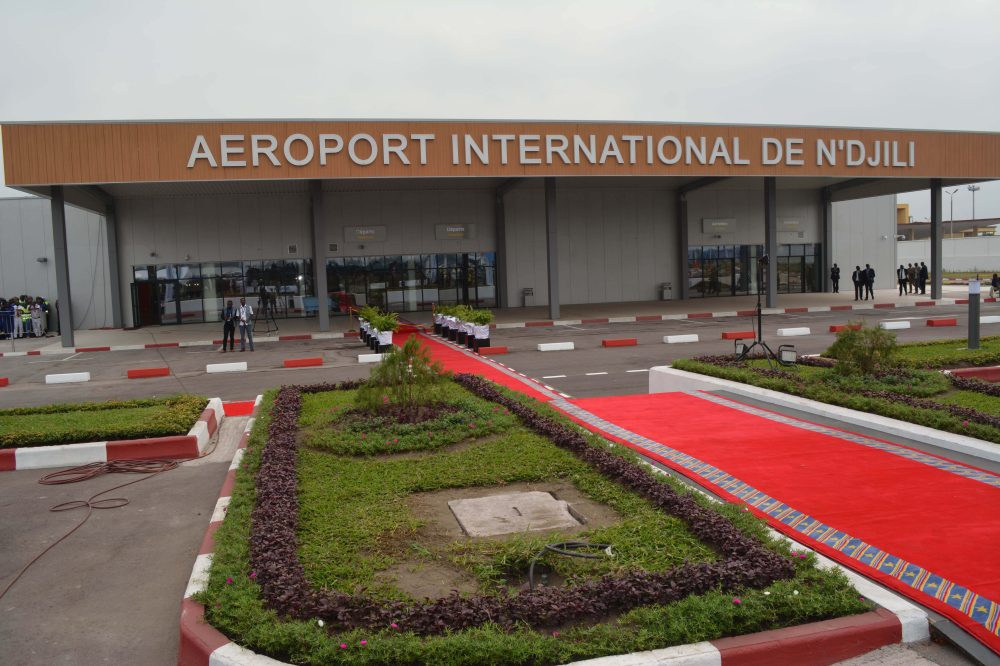

KINSHASA, Congo — Fifteen migrants from Latin America touched down in Congo’s capital city of Kinshasa early Friday morning after being deported from the United States, according to their legal representative.
The arrival marks another instance of the Trump administration utilizing partnerships with African nations to speed up the removal of migrants from U.S. soil.
U.S. attorney Alma David told The Associated Press that all of the deportees originated from Latin American countries and that Congo’s government intends to house them temporarily within its borders.
A representative from Congo’s migration agency verified that the group had arrived but declined to share additional information.
David explained that each of the deportees had previously been granted legal protections by U.S. judges that were meant to prevent their forced return to their countries of origin. The group is currently being accommodated at a hotel in Kinshasa, she noted.
The International Organization for Migration, which operates under United Nations affiliation, will participate in providing what David described as “assisted voluntary return” services.
“The fact that the focus is on offering them ‘voluntary’ return to their home country when they spent months in immigration detention in the U.S. fighting hard to not have to go home is very alarming,” she said.
The IOM has not yet responded to requests for comment from the Associated Press.
Earlier this month, Congo’s Ministry of Communications issued a statement announcing the country would accept certain migrants through a new agreement established under the Trump administration’s third-country program.
The ministry characterized the arrangement as “temporary” and said it demonstrates Congo’s “commitment to human dignity and international solidarity.” Officials stated the agreement would not burden the government financially, as the United States would handle all necessary logistics and expenses.
The statement emphasized that deportees would not be automatically transferred elsewhere, noting: “Each situation will be subject to individual review in accordance with the laws of the Republic and national security requirements.”
The United States has established similar third-country deportation agreements with at least seven additional African nations, many of which have been significantly impacted by Trump administration policies that have limited trade, aid and migration opportunities.
According to a recent report from the Democratic staff of the Senate Foreign Relations Committee, the Trump administration has allocated at least $40 million toward deporting approximately 300 migrants to nations other than their countries of origin.
Legal advocates and activists have questioned the nature of these agreements with African and other nations. Multiple African countries that have entered into such deals maintain governments known for repressive practices and poor human rights records, including Eswatini, South Sudan and Equatorial Guinea.