
NEW YORK — A group of 12 states went to court Monday to try to block what would be one of the biggest deals in entertainment history — Paramount’s proposed takeover of Warner Bros. Discovery, a transaction valued at $81 billion that critics say would wipe out competition in Hollywood and put thousands of industry jobs at risk.
California’s attorney general is spearheading the legal effort, with the states calling on both companies to hold off on finalizing the merger until the courts have had a chance to weigh in. If the companies refuse to wait voluntarily, the coalition says it will seek a temporary restraining order to force a pause.
“The unlawful merger of these two entertainment behemoths would lead to higher prices, lower quality, and less content for film and television, harming movie theaters, basic cable distributors, and ultimately, audiences on every sofa and movie theater seat in the U.S.,” said California Attorney General Rob Bonta in a written statement.
Joining California in the lawsuit are Arizona, Colorado, Connecticut, Massachusetts, Minnesota, Nevada, New Jersey, New Mexico, New York, Oregon, and Washington. Skydance-owned Paramount did not respond to a request for comment by Monday, and Warner Bros. directed all questions back to Paramount.
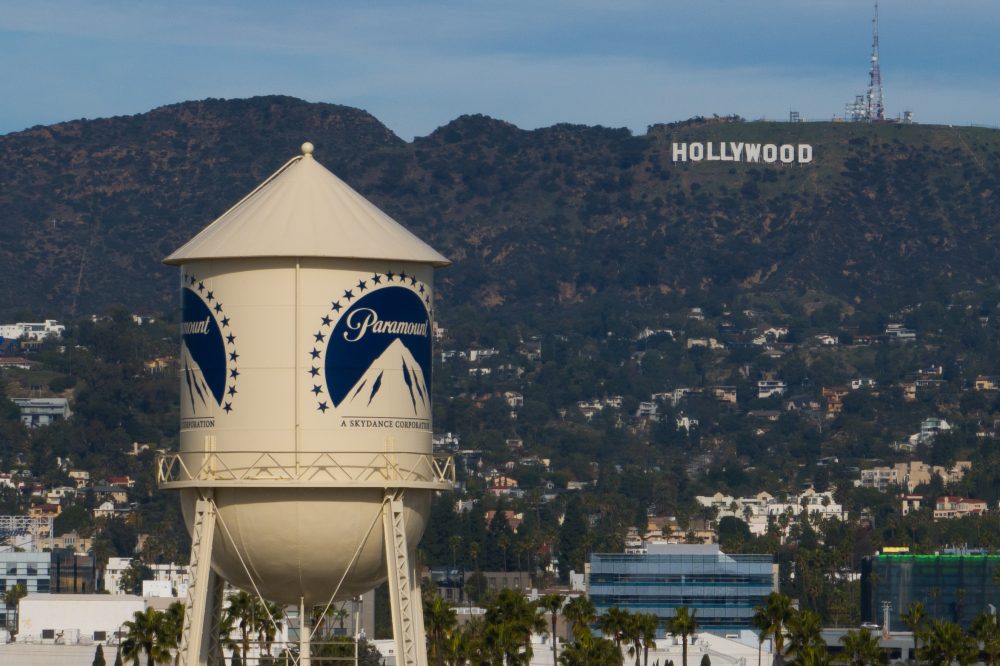
Paramount, which was acquired by Skydance just last year, is looking to absorb all of Warner Bros. Discovery. If completed, the deal would bring together properties like HBO Max, the “Harry Potter” franchise, and CNN under the same corporate umbrella as CBS, “Top Gun,” and the Paramount+ streaming platform.
The lawsuit lands at a critical moment. After a very public bidding competition with Netflix that played out over months, the deal received shareholder approval in April and then got the green light from the Trump administration just last month. Still, the states’ legal challenge could delay or derail those plans.
The U.S. Justice Department has chosen not to oppose the merger — and went further by releasing an unusually detailed statement of support, arguing the combined company would “increase competition across the media and entertainment ecosystem, with benefits for American consumers and workers.”
Paramount has also pointed to regulatory approvals it says it has secured in several other countries, including China, Canada, and Australia. However, reviews are still underway in the European Union and the United Kingdom, with the U.K. hinting it may step in to examine the deal separately.
Both companies had previously indicated they hoped to wrap up the transaction sometime during the third quarter of this year and have recently signaled a push to finish the process within the coming weeks. There is financial pressure to move quickly — Paramount has promised shareholders a 25-cent per share “ticking fee” for every quarter the deal remains unclosed past September 30. The company has also agreed to a $7 billion regulatory termination fee. When debt is factored in, the full value of the acquisition reaches nearly $111 billion, or about $31 per share.
Supporters of the merger argue that combining the two companies — particularly the HBO Max and Paramount+ content libraries — would give consumers access to more programming and help both businesses grow. Opponents, however, warn that further consolidation in an industry already dominated by a small number of major players could do more harm than good.
Thousands of actors, writers, directors, and other entertainment professionals have gone on record with what they call “unequivocal opposition” to the deal, saying it would shrink job opportunities and limit choices for both filmmakers and audiences. A number of lawmakers have raised similar concerns.
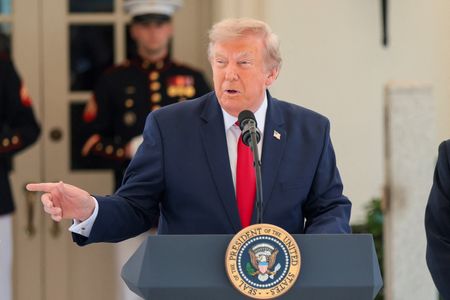
Democrats have questioned whether regulators operating under President Donald Trump would give the deal the scrutiny it deserves, with worries about political influence hanging over the process. The Justice Department has insisted politics played no role in its decision — but Trump himself has at times publicly commented on Warner’s future, even after walking back earlier suggestions about his personal involvement in the outcome.
Trump also has a well-documented relationship with the Ellison family, including Oracle founder Larry Ellison, who is contributing billions of dollars to back the bid being pursued by his son’s company. Much of the attention has focused on CNN, a network that has long been a target of criticism from Trump and his allies. Paramount’s CBS has already undergone significant changes in editorial leadership since Skydance took over — and a completed Warner merger could extend that influence further. Several Trump administration officials have been open about their hopes for CNN’s direction under new ownership. Defense Secretary Pete Hegseth told reporters in March that “the sooner David Ellison takes over that network, the better.”