
AMMAN, Jordan — Two opposing factions in Yemen’s ongoing conflict have struck an agreement to exchange more than 1,600 prisoners, marking the most significant detainee swap since the civil war began 11 years ago.
The agreement was finalized in Jordan’s capital following 14 weeks of diplomatic discussions, with United Nations representatives and International Committee of the Red Cross officials serving as witnesses to the process.
According to Abdelkader al-Murtada, who leads the Houthis’ National Committee for Prisoners’ Affairs and participated in the discussions, approximately 1,100 of the nearly 1,700 prisoners are connected to the Houthi movement. The remaining 580 individuals set for release by the opposing faction include seven Saudi nationals and 20 Sudanese citizens.
Government delegation leader Yahya Kazman announced on social media platform X that “a number of politicians and media professionals” currently held by the Houthis would also gain their freedom, though he provided no additional specifics.
U.N. Special Envoy for Yemen Hans Grundberg described the arrangement as covering the most extensive release of “conflict-related detainees.” The International Committee of the Red Cross confirmed in an official statement that both warring parties have reached consensus on which prisoners will be freed and expressed readiness to assist with their return home.
Officials have not yet announced when the prisoner releases will commence.
Grundberg noted that this agreement stems from diplomatic talks conducted in Oman during December 2025, when both sides explored the possibility of releasing 2,900 detainees.
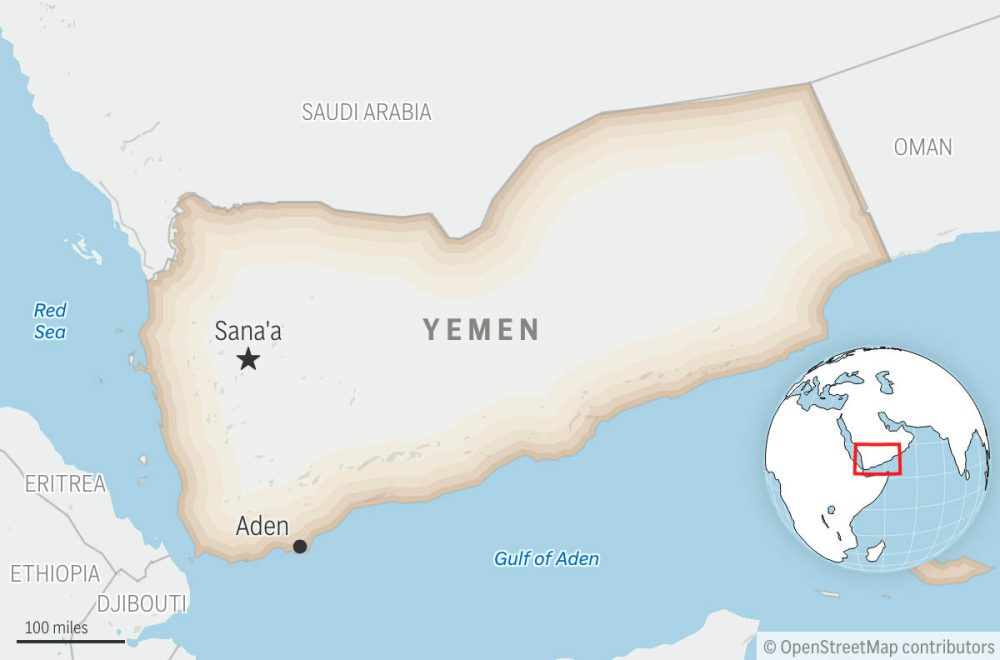
Yemen’s civil conflict erupted in 2014 after the Iran-backed Houthis captured Sanaa, the nation’s capital, along with large portions of northern territory, forcing the recognized government to flee the country. The following year, a coalition led by Saudi Arabia and including the United Arab Emirates launched military intervention aimed at restoring governmental authority.
The prolonged warfare has devastated Yemen’s economic system and created what the World Food Program describes as “severe” food shortages across northern regions.