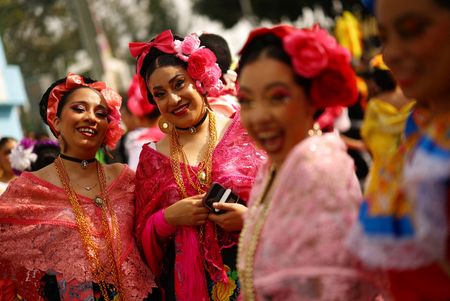

MEXICO CITY – Mexico City launched World Cup festivities Thursday with the tournament opener between Mexico and South Africa at the historic Azteca Stadium, as enthusiastic supporters in traditional attire filled the venue while demonstrations unfolded across the capital.
Extended lines surrounded the Azteca as supporters endured lengthy waits to enter the venue that holds the distinction of hosting World Cup matches across three separate tournaments. Thousands of attendees were already singing inside before the match began.
Fifty-year-old Alejandro Garcia, wearing a sombrero and holding a trophy replica, expressed his pride in Mexico hosting another World Cup. He recalled being a child during the nation’s previous hosting duties in 1986.
“This is our temple,” Garcia stated while standing in the stadium’s concourse area. “It’s going to be a great World Cup, all of the protests will now be forgotten.”
However, beyond the stadium walls, the metropolis of 9 million residents showed clear signs of division.
The lead-up to the tournament in Mexico, which is jointly hosting with the U.S. and Canada, has featured significant social unrest in the capital as different organizations – ranging from educators to relatives of those disappeared during the drug conflict – have organized demonstrations to use the global attention for their causes.
Thursday saw at least six planned demonstrations, creating a city caught between festivity and dissent. Recently completed murals, new transit lines and an upgraded stadium designed to attract visitors stood in stark contrast to metal barriers erected by local businesses along the capital’s primary boulevard to shield against potential rioters.
DEMONSTRATIONS AND GATHERINGS
Approximately three miles from the Azteca, thousands of frustrated educators from across the nation started their march toward the stadium before kickoff.
Elementary school instructor Avelina Cruz Miguel, who has taught for 22 years, made the journey from Oaxaca to demonstrate for improved wages. She explained the protests provided a chance for educators to voice their concerns on “an international level.” “There is no support for education” in Mexico, Miguel stated.
Educators had also established a camp outside the central Zocalo square during the days preceding the tournament’s start.
The campsite prompted officials to block access to the Zocalo the night before the opening match and created concerns that the area might be unavailable to supporters planning to gather at the square’s large viewing screen.
Thursday found tents occupying streets for several blocks around the square, though officials confirmed the fan viewing area would remain accessible.
Thirty-year-old Mario Martinez from Tijuana was among the initial supporters to arrive with his girlfriend. He explained they chose the fan zone because stadium passes were prohibitively expensive and had worried the event might be canceled. “Thank God it all worked out.”
Numerous locals have criticized spending money on city improvements for tourists while ignoring fundamental infrastructure problems. Thursday was designated as an official holiday in Mexico City, partly to reduce transportation issues.
Other Chilangos, the term for Mexico City residents, voiced frustration over extremely high ticket costs that prevented them from witnessing the event in person in their own city. For the opening contest between Mexico and South Africa, some supporters interviewed said they spent $3,000 or higher, far beyond most Mexicans’ financial reach. FIFA has justified its pricing structure, stating ticket costs align with other major sporting competitions.
“FIFA is only interested in profit,” stated 33-year-old Jonathan Cordoba while waiting in an extended line to enter the stadium. However, he expressed no second thoughts: “It’s the passion!”