
WASHINGTON — Wholesale inflation surged dramatically last month, with producer prices climbing 6% compared to the same period last year, marking the steepest annual increase since December 2022. The escalating 10-week conflict involving Iran has driven energy costs substantially higher, forcing businesses to consider passing these elevated expenses on to consumers.
Wednesday’s report from the Labor Department revealed that the producer price index, which measures inflation before it reaches retail customers, jumped 1.4% in April alone — the largest single-month increase since March 2022.
Energy costs experienced dramatic increases, rising 7.8% between March and April and climbing 22.7% year-over-year. Gasoline prices skyrocketed 15.6% from the previous month, while diesel fuel, crucial for transportation and shipping, surged 12.6%.
When removing unpredictable food and energy prices, core producer costs still increased 1% monthly and 5.2% compared to April 2025.
These figures significantly exceeded economic forecasts and could reshape the Federal Reserve’s approach to combating inflation.
The price increases come as Americans already struggle with elevated living costs. Economic affordability is expected to play a major role when voters head to polling stations on November 3 to decide whether President Donald Trump’s Republican Party will retain control of both congressional chambers.
“This report will set off alarm bells at the Fed and add fuel to the political conversation about affordability,” commented Carl Weinberg, chief economist at High Frequency Economics. “The results are so far above expectations that this update will set off alarm bells in the financial markets, too.”
The conflict escalated when the United States and Israel launched attacks on Iran on February 28, prompting Tehran to block access to the Gulf of Hormuz, a critical waterway handling one-fifth of global oil and liquefied natural gas shipments. This action sent energy prices soaring.
Producer price data provides early insight into potential consumer inflation trends. Economists closely monitor these figures because certain components, particularly healthcare and financial services measurements, influence the Fed’s preferred inflation metric — the Commerce Department’s personal consumption expenditures price index.
Earlier this week, the Labor Department reported that its closely monitored consumer price index increased 3.8% last month compared to April 2025, representing the largest annual jump in over three years as energy costs continued climbing.
Major retailers are feeling the pressure. Walmart, known for its commitment to low prices, implemented unusual price increases last year and may face intensifying pressure for additional hikes. The company is not facing this challenge alone.
Whirlpool, manufacturer of KitchenAid and Maytag appliances, announced this month that quarterly revenue fell nearly 10% and described the war’s impact as creating a “recession-level industry decline” that has damaged consumer confidence. The company implemented a 10% price increase in April, its steepest in ten years, and plans an additional 4% increase for July.
Previously, the company had absorbed higher costs rather than burden customers, but this strategy is changing.
Prior to the Iran conflict, the Federal Reserve was anticipated to reduce its benchmark interest rate in 2026. However, officials have adopted a more cautious stance, waiting to assess the conflict’s duration and whether elevated energy prices will spread to other sectors, potentially triggering broader inflation.
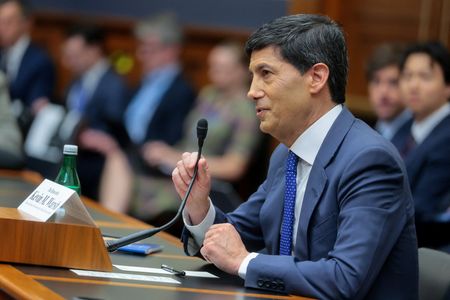
President Trump has criticized the Fed and outgoing chair Jerome Powell for declining to cut rates to stimulate economic growth. Kevin Warsh, Trump’s nominee to replace Powell, awaits Senate confirmation this week, though it remains uncertain whether Warsh would pursue rate reductions given war-related uncertainties or successfully convince fellow committee members to support such measures.