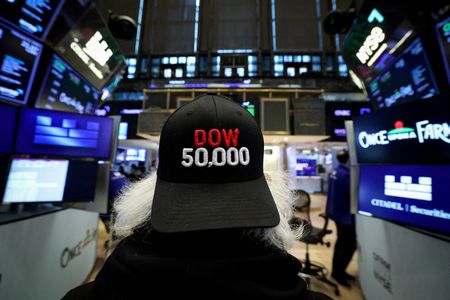

Wall Street experienced another brutal trading session Friday, with the Dow Jones Industrial Average dropping 1.7% as mounting concerns over Middle East warfare continue to rattle investors nationwide.
The blue-chip index has now fallen 10% below its February 10 record closing high, officially marking what financial experts call a market correction. This steep decline comes as traders grapple with uncertainty surrounding the ongoing U.S. and Israeli military conflict with Iran.
Friday’s selloff represents the Dow’s most significant downturn since April 2025, when former President Donald Trump’s announcement of his “Liberation Day” worldwide tariff policy triggered massive global market instability.
The tech-focused Nasdaq had already confirmed its correction status Thursday, having dropped from its October 29 peak. Meanwhile, the S&P 500 has shed approximately 9% since reaching record territory on January 27.
Although investment professionals typically don’t use the Dow as their primary benchmark, this 30-company index remains widely recognized by everyday investors, making its sharp decline a clear signal of deteriorating market confidence.
Market participants are now debating whether this downturn represents a temporary setback – similar to the rebound seen after 2025’s market troubles – or signals the beginning of prolonged instability linked to the Middle East crisis.
International markets have been in freefall and crude oil costs have skyrocketed since the U.S. and Israel initiated their military campaign against Iran on February 28. The Dow alone has shed more than 7% since hostilities commenced.
Soaring energy prices have reignited inflation worries, with market analysts now anticipating the Federal Reserve is more likely to implement interest rate increases rather than cuts before year’s end, based on data from CME’s FedWatch monitoring system.
Goldman Sachs Group led Friday’s losses with a 2.4% decline, contributing more to the Dow’s drop than any other individual stock.