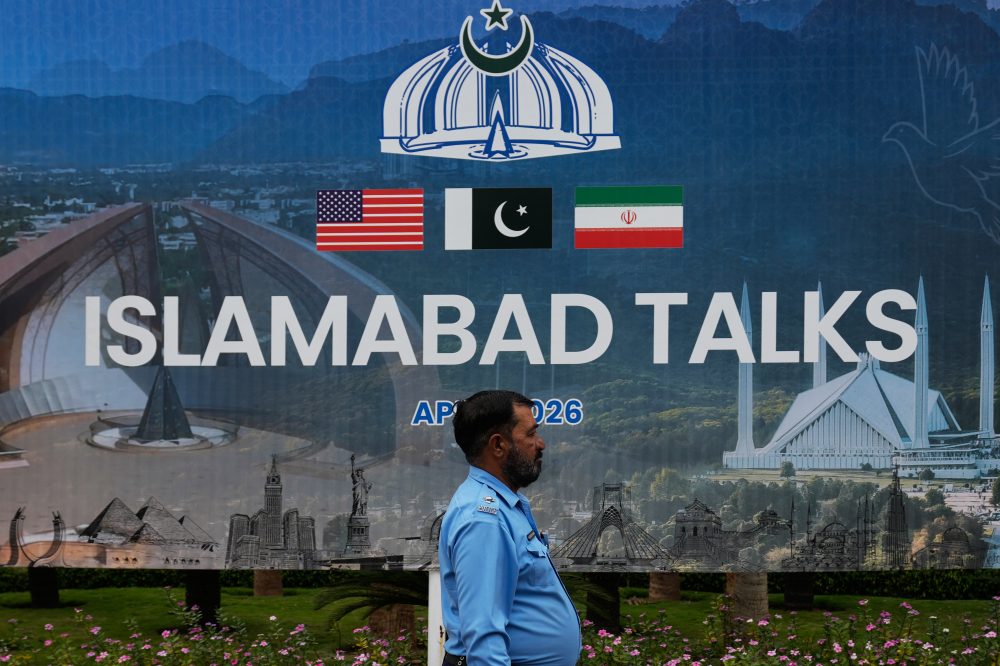

ISLAMABAD (AP) — Vice President JD Vance is traveling to Pakistan to lead crucial diplomatic discussions with Iranian officials in the first high-level meeting between the two nations since hostilities commenced over a month ago. The talks will determine whether both sides can strengthen a delicate truce and establish a foundation for lasting peace.
The Pakistan-mediated ceasefire remains precarious as discussions commence Saturday, with ongoing exchanges of fire between Israel and Hezbollah forces near Lebanon’s southern border while Iran establishes prerequisites for negotiations.
Iranian representatives reached Pakistan’s capital of Islamabad early Saturday morning, headed by Parliament Speaker Mohammad Bagher Qalibaf. He announced on X that dialogue would only proceed with an Israeli ceasefire in Lebanon and the unfreezing of Iranian financial assets.
Earlier, President Donald Trump offered encouragement to Vance before his departure.
“We’ll find out what’s going on. They’re militarily defeated,” Trump stated.
Islamabad’s typically crowded streets remained empty Saturday morning as security personnel blocked roadways in preparation for the diplomatic meetings. Pakistani officials advised citizens to remain indoors, creating an atmosphere resembling martial law throughout the city.
Pakistani Prime Minister Shehbaz Sharif declared Friday that the situation was approaching a “difficult phase” as parties attempt to transition from a temporary fighting halt to a permanent resolution, describing the moment as “make-or-break.”
Prior to leaving Washington Friday, Vance expressed optimism about the Iranian negotiations, calling them potentially “positive.”
However, he cautioned, “If they’re going to try and play us, then they’re going to find that the negotiating team is not that receptive.”
Separate discussions between Israel and Lebanon are scheduled to start Tuesday in Washington, according to Lebanese President Joseph Aoun’s office Friday. Beirut seeks direct negotiations to conclude the Israel-Hezbollah conflict under a ceasefire framework similar to Iran’s agreement.
Israel’s position that its Iranian ceasefire excludes halting Hezbollah operations threatens to undermine the arrangement. The militant organization entered the conflict supporting Iran, its primary ally.
When the truce was declared, Israel launched intensive airstrikes on Beirut, resulting in over 300 deaths according to Lebanon’s Health Ministry. This marked the conflict’s most devastating single day since fighting began February 28.
Trump revealed Thursday that he had requested Israeli Prime Minister Benjamin Netanyahu to reduce the intensity of attacks.
Friday saw Israeli aircraft target areas near a government security facility in Nabatieh, a southern Lebanese town, killing 13 officers according to the Lebanese president’s office. Israeli military reported destroying approximately 10 rocket launching sites in Lebanon that had fired toward northern Israel.
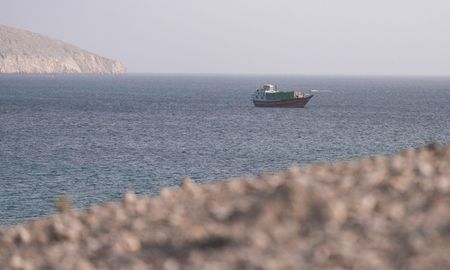
Iran’s blockade of the Strait of Hormuz has caused oil prices to surge dramatically, triggered stock market declines, and disrupted global economic stability. Tehran’s dominance over this crucial waterway represents its most significant strategic asset in the conflict.
Brent crude’s spot price reached approximately $97 Friday, representing a more than 30% increase since hostilities began.
Prior to the conflict, over 100 vessels navigated the strait daily, many transporting oil to Asian markets. Under current ceasefire conditions, only 12 ships have been documented passing through.
Trump suggested Iran lacks leverage in upcoming negotiations.
“The Iranians don’t seem to realize they have no cards, other than a short term extortion of the World by using International Waterways,” Trump posted Friday. “The only reason they are alive today is to negotiate!”