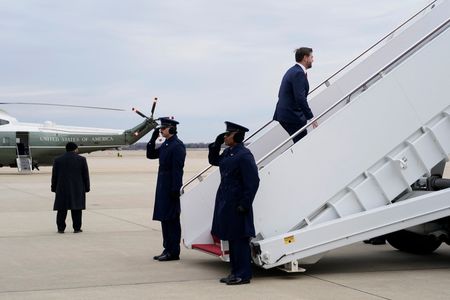

WASHINGTON – Vice President JD Vance is expected to travel to Hungary within days to demonstrate backing for Prime Minister Viktor Orban, who confronts his most challenging re-election campaign since assuming power in 2010, according to two sources with knowledge of the arrangements disclosed Wednesday.
This journey would follow Secretary of State Marco Rubio’s February travel to Budapest, where he publicly endorsed Orban before his most difficult electoral contest to date. Current polling data indicates the Hungarian leader is behind with less than a month remaining before the April 12 election.
Sources warned that the specific dates for Vance’s trip remain unclear and could be modified, particularly as senior officials might choose to stay in Washington during the ongoing U.S.-Israeli military operations against Iran. President Donald Trump has already postponed his planned China visit due to the conflict.
The White House has not provided immediate response regarding this report.
Orban, among Trump’s strongest European allies, has maintained ongoing disputes with the European Union across multiple issues, particularly regarding Ukraine policy. Going against Brussels’ position, he has preserved friendly relations with Moscow, declined to provide military aid to Ukraine, and maintains that Kyiv cannot become an EU member.
Last month, Trump gave his endorsement to Orban, describing him as “a truly strong and powerful Leader” through social media, while many American conservative hardliners view him as an example for Trump’s strict immigration approach and Christian conservative values.
Trump has backed conservative politicians globally, recently supporting Argentina’s Javier Milei and Japan’s Sanae Takaichi.
Vance has become an influential vice president who frequently plays a key role in international policy matters. He is widely considered the leading candidate to succeed Trump in 2028.
During his Hungarian visit, Rubio stated that Orban’s governance was essential for American interests while suggesting that maintaining strong relationships depended on Orban winning re-election. He also hinted that Washington might provide financial assistance to Budapest if necessary.
As the campaign enters its final weeks, polling shows Orban’s Fidesz party behind the opposition Tisza party, headed by former government official Peter Magyar, although numerous voters have not made their decision.
This election occurs while Hungary deals with sluggish economic growth and ongoing effects from inflation increases following Russia’s February 2022 Ukraine invasion, and will significantly impact Europe as conservative and far-right political movements gain strength.