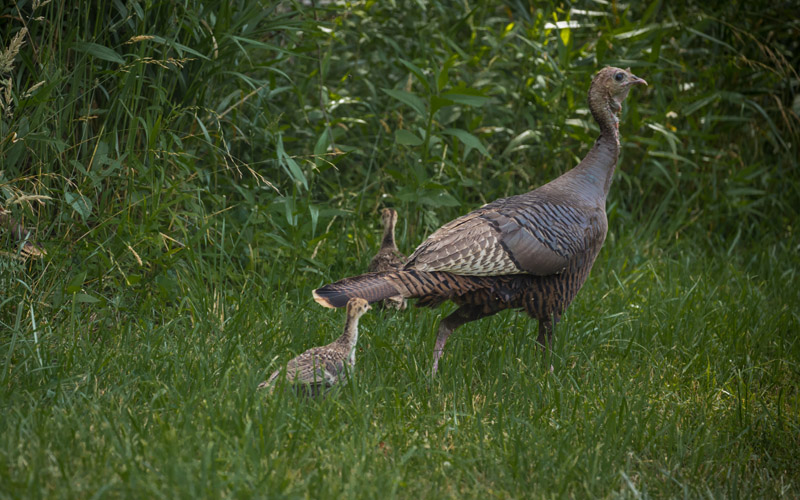

Fiction: Raccoon numbers have skyrocketed throughout Virginia and are causing turkey and other game bird populations to crash.
Facts: Current research doesn’t support claims of growing raccoon numbers, with populations appearing steady despite normal year-to-year changes. Though wildlife experts can’t dismiss localized increases, Virginia Department of Wildlife Resources information shows no significant statewide raccoon population growth. Officials note that many people think raccoon numbers are rising because they see more of them around trail cameras baited with food. Setting out food draws raccoons and can create a false impression that their numbers are unusually high for the area.
Though raccoons effectively destroy nests, they seldom kill grown game birds. In most situations, their existence doesn’t restrict turkey numbers, unless suitable nesting habitat is scarce. Strategic trapping may briefly lower raccoon numbers, but improving habitat for turkey nesting typically delivers better long-term nesting outcomes.
Property owners should avoid drawing raccoons if supporting turkey nesting matters to them. Actions like providing food for wildlife can unnaturally boost raccoon numbers or draw raccoons from surrounding areas. Though some think they’re helping wildlife by offering food, feeding can actually damage wildlife in multiple ways including spreading diseases and parasites, increasing dangerous human-animal encounters, and potentially reducing game bird nesting success.
Fiction: Predators are eliminating so many turkeys that populations can’t increase.
Facts: Though multiple predators hunt adult turkeys including bobcats, coyotes, and great horned owls, people remain the top cause of death for adult male turkeys. Earlier Virginia studies showed only 25 percent of male turkey deaths resulted from predation. Meanwhile, hunters caused 46 percent of deaths and illegal killings during closed seasons added another 17 percent of fatalities. This information shows an adult male turkey faces much higher odds of being killed by humans than predators.
Female turkeys experience somewhat lower survival rates and face higher predation. Usually, fewer than half of adult females live to see the following year. Studies show predation frequently leads mortality causes for females. Female deaths concentrate during spring and early summer because they move around more before nesting while searching for perfect nesting spots, and spend extensive time sitting on nests up to 20-22 hours daily. This ground time increases their vulnerability to predators during these critical periods.
Though blaming predators seems logical, these deaths often indicate a bigger problem: inadequate habitat. When females must nest in poor locations or travel extensively seeking suitable nesting areas, mortality risk increases. Expanding the quantity and quality of nesting cover allows females to move less often and typically achieve better nesting success.
Some Virginia regions show declining turkey numbers while others experience growth. Turkey populations shift based on nesting conditions, winter food availability, and environmental factors. These population changes frustrate managers and hunters but happen regardless of predator numbers. Areas with suppressed turkey populations usually face habitat or environmental challenges rather than predator issues. Regions where turkeys thrive do so despite existing predators, typically because adequate habitat balances turkey populations with local predator dynamics.
Focused trapping offers some advantages, but these benefits peak when sufficient nesting and chick-rearing cover exists nearby. Simply trapping predators in poor habitat won’t likely produce desired outcomes. Lower quality habitats always experience greater fluctuations due to environmental and nutritional pressures.
Fiction: Turkeys only call from roosts because of coyote presence.
Facts: Calling intensity depends on numerous factors including weather conditions, air pressure, turkey density, breeding season timing, and hunting activity. Many hunters encounter turkeys that call from roosts but won’t respond after flying down, leading to theories about predator influence like coyotes. The idea seems reasonable since a turkey announcing its ground location might attract predators that follow sounds. This theory suggests coyote presence alone teaches turkeys to stop calling once they leave roosts. However, the actual situation is more complicated.
Usually the main factor affecting turkey calling behavior is nearby female presence and their breeding status. Many turkeys that call from roosts then go quiet have roosted close to females. Once on the ground, they don’t need to keep advertising their location. These females are typically actively mating and frankly, the male is busy and doesn’t need to attract additional attention. These scenarios happen more during early season when females are still breeding through the first couple weeks.
Another major influence on calling intensity is hunting pressure itself. Recent southeastern U.S. research demonstrates that calling often drops dramatically when hunting season opens. One study examined hunted versus non-hunted locations. Turkeys on non-hunted property kept calling normally throughout hunting season, while hunted turkeys called less frequently once hunting pressure started. Both locations had coyotes present with human pressure being the main difference. So while we often view predators as major influences, hunting and hunting pressure may play equally important or larger roles in turkey behavior. Currently, little evidence suggests coyotes alone drive turkey calling changes.
Fiction: Trapping predators wastes time.
Facts: Trapping represents a respected tradition requiring extensive outdoor skills, expertise, and technical knowledge for success. Virginia offers numerous reasons to master trapping arts and techniques. Trapping also serves as a crucial wildlife and habitat management tool, used for wildlife monitoring and population control, providing protection for endangered species and habitats, and helping prevent and resolve human-wildlife conflicts. Though trapping alone rarely solves turkey or game bird population declines, it serves important functions and shouldn’t be ignored as part of the solution. However, ensuring areas have solid habitat foundations should always be the primary focus.