
ROME (AP) — The Vatican announced Monday that a major launch event will take place May 25 for the pontiff’s inaugural document addressing artificial intelligence, focusing on protecting human dignity during the AI era, with participation from Anthropic co-founder Christopher Olah.
Olah’s attendance at the Vatican carries notable importance and indicates that the U.S. pontiff’s stance on artificial intelligence may create fresh tensions with the Trump administration.
The Trump administration directed all federal agencies in February to cease utilizing Anthropic’s AI systems and levied additional significant sanctions after the company declined to grant the U.S. military unlimited access to its artificial intelligence capabilities. The company has filed a lawsuit against the administration, claiming illegal retaliation for its efforts to establish restrictions on AI technology deployment.
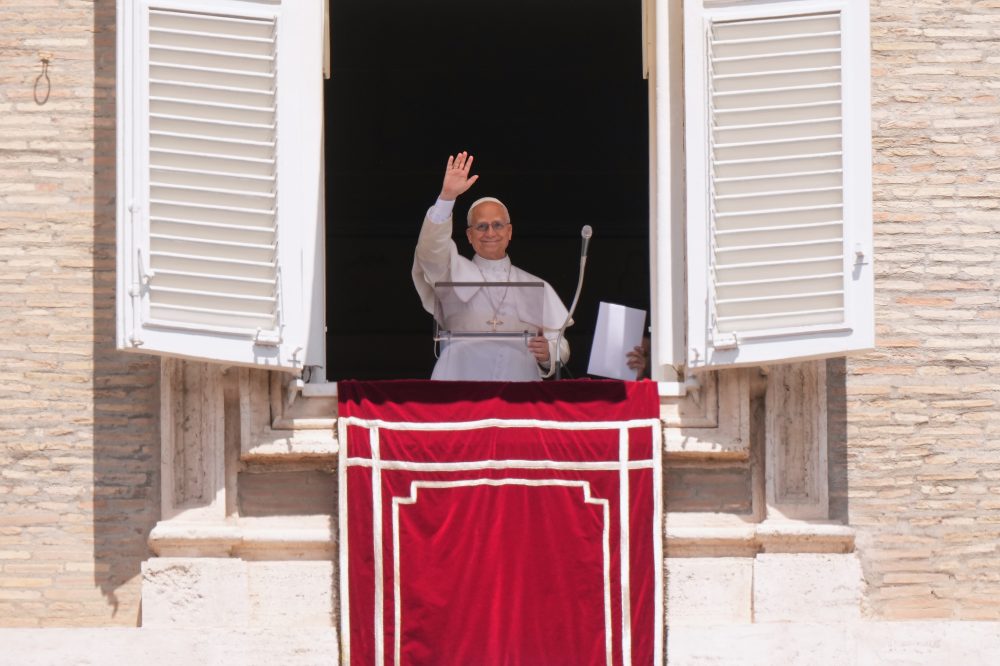
The pontiff, who has prioritized AI issues during his early papal tenure, expresses deep worry about artificial intelligence applications in military conflicts and advocates for oversight of the technology’s implementation.
The papal participation in unveiling “Magnifica Humanitas” (Magnificent Humanity) marks an unusual approach, as such announcements typically occur in the Vatican press facility with a limited group of officials and guests fielding media inquiries.
Instead, the Vatican plans an elaborate presentation in its primary auditorium featuring prominent figures: Cardinal Víctor Manuel Fernández, the doctrine leader, and Cardinal Michael Czerny, who oversees development, will serve as primary presenters. Olah joins other lay participants including theologians Anna Rowlands and Leocadie Lushombo.
Cardinal Pietro Parolin, the Vatican secretary of state, will deliver closing remarks while the pope will address attendees and provide a final blessing, according to Vatican officials.
The pontiff executed the document on May 15, marking exactly 135 years since his predecessor Pope Leo XIII endorsed his landmark encyclical “Rerum Novarum,” or Of New Things. That historic document examined worker protections, capitalist limitations, and governmental and employer responsibilities during the Industrial Revolution.
The earlier encyclical established the basis for contemporary Catholic social doctrine, and the current pope has referenced it regarding the AI transformation, viewing it as presenting similar fundamental challenges that the Industrial Revolution created more than a century earlier. The upcoming encyclical is anticipated to frame AI concerns within the church’s social teachings, encompassing labor, justice and peace matters.
Anthropic leader Dario Amodei previously served at OpenAI before departing with colleagues to establish Anthropic in 2021. Their departure stemmed from disagreements with OpenAI leader Sam Altman regarding AI safety protocols. The newer enterprise committed to enhanced focus on safety measures for artificial general intelligence technology that both San Francisco companies seek to develop.
This year, the privately-owned Anthropic reported its valuation reached $380 billion, placing its Claude chatbot in competition with OpenAI and Elon Musk’s rocket company SpaceX, which recently combined with his AI venture xAI, creator of the Grok chatbot.