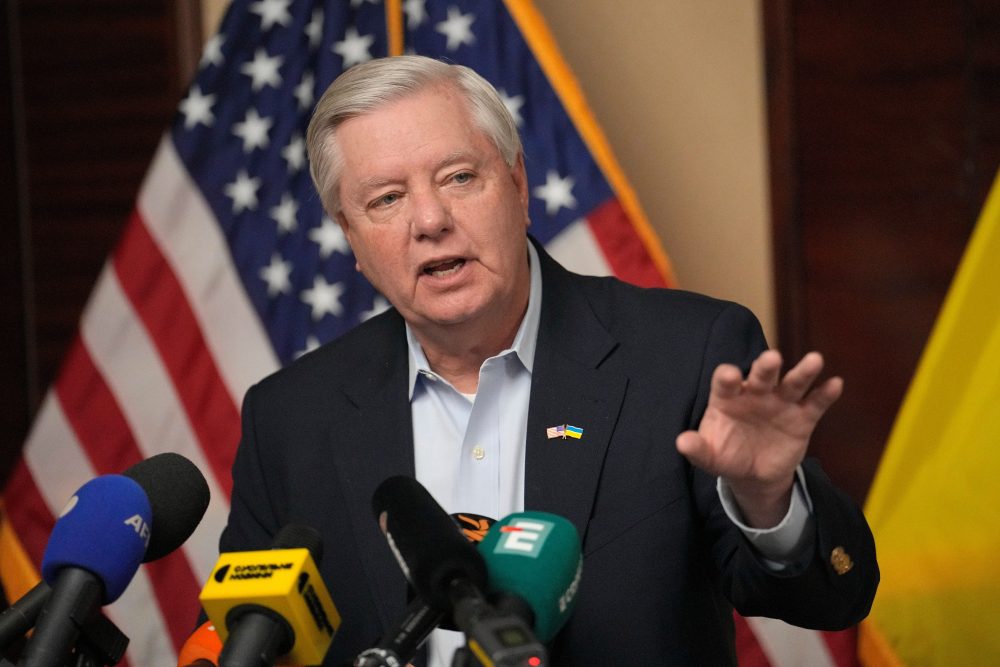

U.S. Senator Lindsey Graham, the South Carolina Republican who spent 30 years in Congress becoming one of the nation’s most prominent voices on national security, judicial matters, and foreign policy — and a fierce advocate for Israel — passed away Saturday following what his office described as a brief and sudden illness. He was 71 years old. His family has asked for privacy and said details about funeral arrangements would be shared at a later time.
Graham had a distinguished background before entering politics, having served as a lawyer and Air Force officer. He retired from the Air Force Reserve at the rank of colonel after 33 years of service. He was first elected to the U.S. House of Representatives in 1994 and then won a Senate seat in 2002. Over the following two decades, he rose to become a top Republican voice on defense and intelligence issues, serving on the Senate Judiciary, Appropriations, and Budget committees. He led the Senate Judiciary Committee from 2019 to 2021 and, more recently, chaired the Senate Budget Committee.
Throughout his career, Graham was known for his sharp wit, his occasional willingness to reach across the aisle, and his later close partnership with President Donald Trump. He played a central role in major national debates over Supreme Court nominations, military policy, immigration, and U.S. foreign relations. Earlier in his congressional tenure, he served as one of the House managers during President Bill Clinton’s impeachment trial. As Judiciary Committee chairman, he oversaw the confirmation of Justice Amy Coney Barrett and was heavily involved in other Supreme Court nomination fights. He also made an unsuccessful bid for the Republican presidential nomination in 2016.
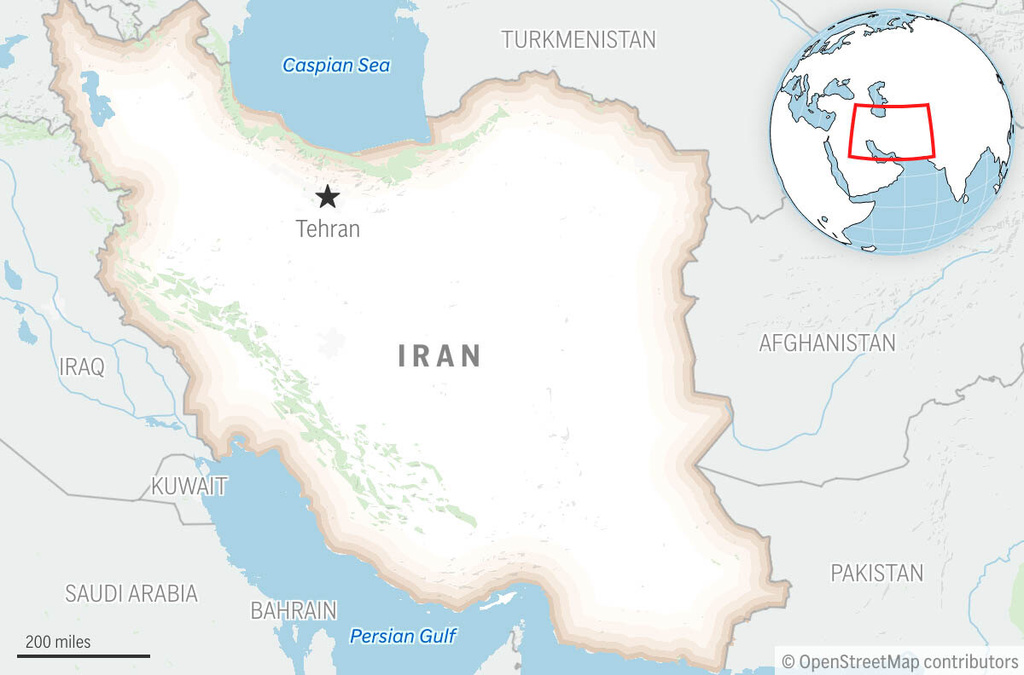
Graham’s impact was perhaps most visible in the Middle East. He approached the region through a national security perspective, consistently arguing that the United States had a strategic duty to support its allies, push back against Iran, and fight extremist groups. He became one of the most frequent congressional visitors to Israel over the course of his career, holding repeated meetings with Israeli prime ministers, military commanders, and security officials.
In the wake of Hamas’s October 7, 2023 attack on Israel, Graham became one of the Senate’s loudest advocates for expanding U.S. military support, imposing tougher sanctions on Iran, and taking stronger action against Tehran’s regional allies. He repeatedly made the case that Israel’s security and America’s own strategic interests were fundamentally linked.
His backing of Israel went beyond military assistance. Graham championed the Abraham Accords and pushed for normalization between Israel and Saudi Arabia, believing that broader Arab-Israeli cooperation could transform the region and undercut Iranian influence. He also cultivated strong ties with Gulf leaders, making frequent trips to the region and calling for deeper U.S. partnerships with Arab allies.
Graham’s aggressive foreign policy stance earned him both admirers and critics. He supported U.S. military involvement in Afghanistan and Iraq, backed ongoing American efforts against the Islamic State, and repeatedly contended that diplomacy on its own could not stop Iran from developing nuclear weapons. Supporters credited him with consistency and a willingness to confront threats head-on, while detractors saw him as one of Washington’s leading proponents of military intervention.
On the domestic front, Graham was seen as a skilled lawmaker who could sometimes bridge divides within his own party. Though firmly conservative, he occasionally broke from Republican positions on issues like immigration reform and criminal justice, especially earlier in his Senate career. His political journey — from close ally of Sen. John McCain to one of Trump’s most dependable congressional supporters — made him one of the defining Republican figures of his era.
Even in the final year of his life, Graham remained actively engaged in Middle East diplomacy, describing the region as standing “on the verge of previously unimaginable change” and calling for sustained U.S. leadership.
Whether viewed as a principled defender of American allies or criticized as an unapologetic champion of military intervention, Lindsey Graham left a lasting imprint on the U.S. Senate and on American foreign policy. Few members of Congress shaped the national conversation about the Middle East as persistently — or as powerfully — as he did.